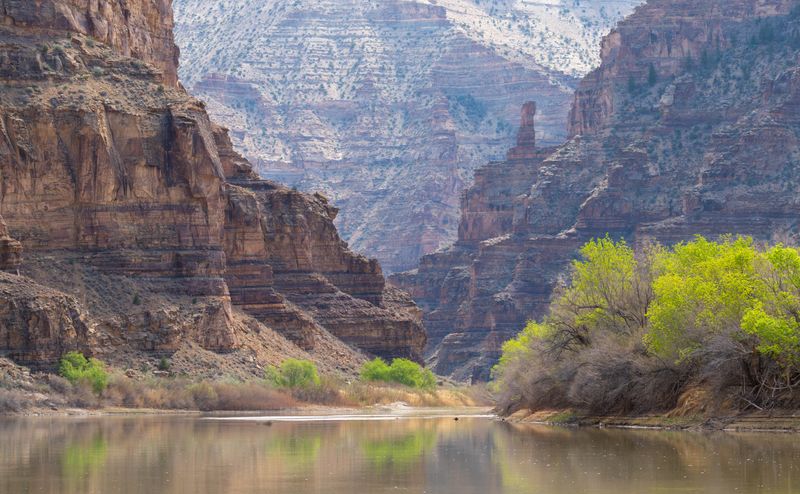
Desolation CanyonMarch 2026
A five-day spring descent through Desolation Canyon at very low flows, with clear weather, warm water for March, exposed rock, slow miles, and long quiet camps. The trip felt technical in a different way than high water: more boat angle, more rock dodging, more attention to channel choice, and more time to look around.
River mood: feels great to be on the river, technical, patient
Visual character: clear spring light, broad benches, still evenings, pale green water
Pace: slow but expected
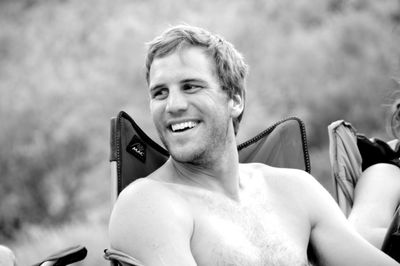
Cutty
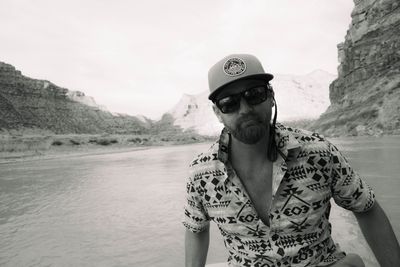
Downing
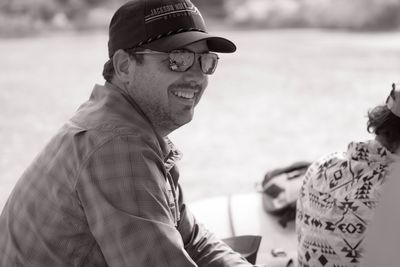
Madsen
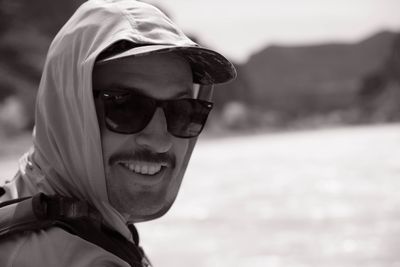
Nick Cummings
Sand Wash Launch and Settling Into Low Water
1,770 cfs (USGS daily mean), water 56°F
Launched into low, clear spring flows and immediately felt the pace of the trip. The river demanded attention in subtle ways: shallow lanes, exposed cobble, and slower current that made every downstream mile feel earned.
Sand Wash Launch and Settling Into Low Water
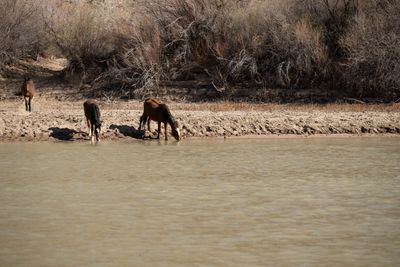
Wild horses drinking at the river's edge. Three horses on a muddy bank, unhurried.
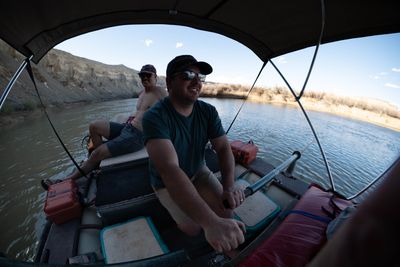
At the oars under the shade canopy — settling into the rhythm of the first day.
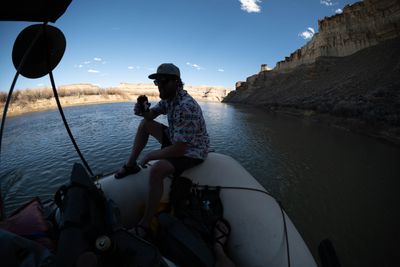
Crew member on the bow tube, silhouetted against canyon walls and afternoon clouds.
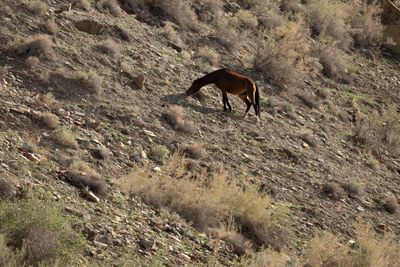
Wild horse grazing on a dry hillside above the river. A foal visible in the background.
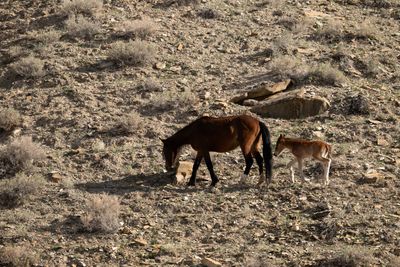
Mare and foal on the rocky slope above the river.
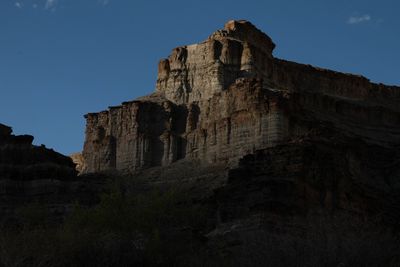
Massive sandstone tower catching the last direct light of the day, canyon wall in deep shadow.
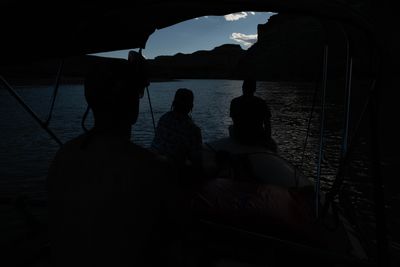
Three silhouettes on the raft as the canyon goes to dusk. Still floating.
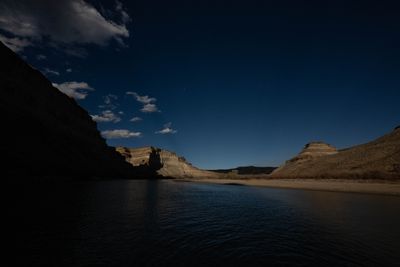
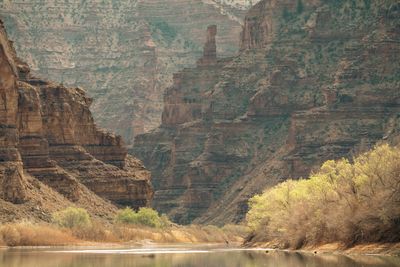
Canyon bend at dusk — layered walls catching the last reflected light off the water.
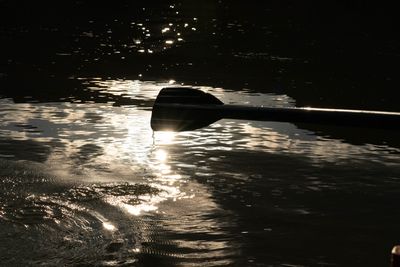
Oar blade pulling through golden water — late light on the surface of the Green River.
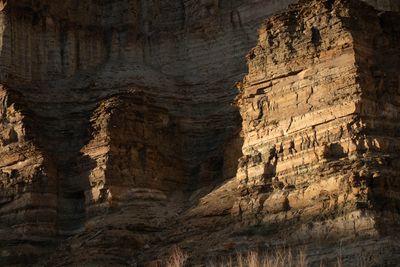
Warm light on eroded sandstone towers — alcoves and vertical joints exposed by centuries of weathering.
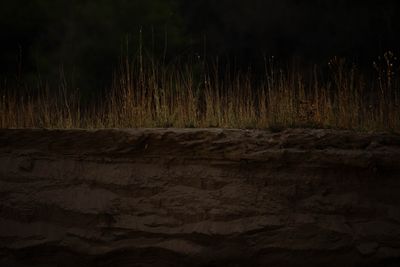
Dried grass lit against a dark riverbank — night settling in at camp.
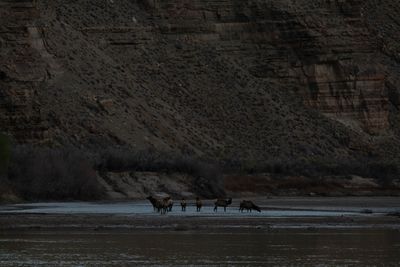
Elk herd on the river bar — seven or eight animals standing in shallow water against the canyon wall.
Long Miles and Minimal Rock Dodging
1,780 cfs (USGS daily mean), water 58°F
The canyon opened up into one of those classic Desolation days: long bends, quiet walls, and just enough work at the oars to stay engaged the entire time. Low water kept the boat honest. Every braid and tongue mattered. This isn’t a rental!
Long Miles and Minimal Rock Dodging
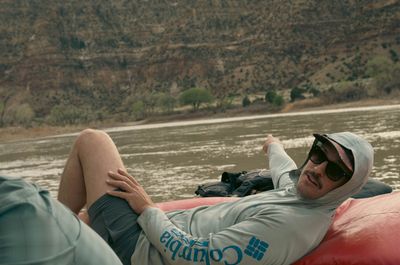
Crew member stretched out on the bow tube — the pace of day two already set.
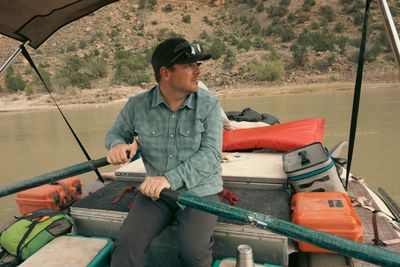
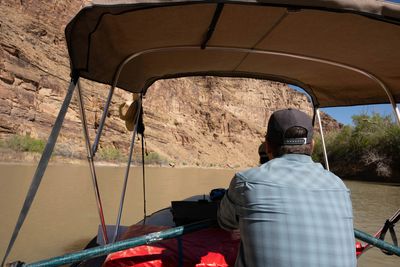
At the oars under the shade canopy — the canyon deepening with every mile.
Under the canopy, rowing into the heart of Desolation. Two crew members framed by canyon walls.
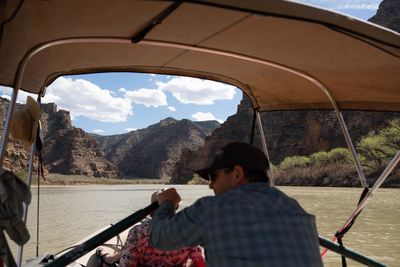
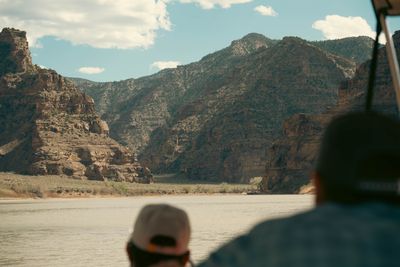
Looking downstream from the oar seat — the canyon opening into a wider corridor with layered walls.
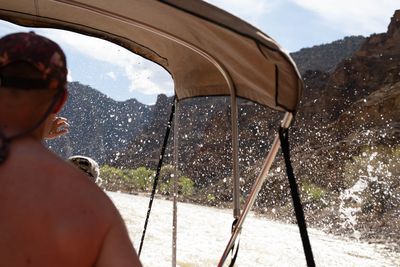
Splash through a wave train — water breaking over the bow under the shade canopy.
Rowing through the narrowing canyon — Cutty at the oars, Downing on the bow.
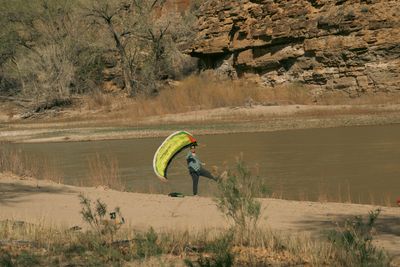
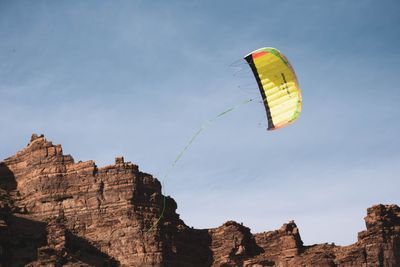
Kite flying on a sandy beach — a break in the long miles. The canyon towering behind.
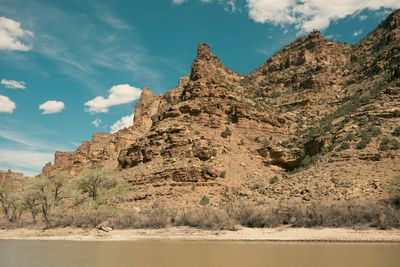
Layered red and tan sandstone buttress rising sharply from the river bank.
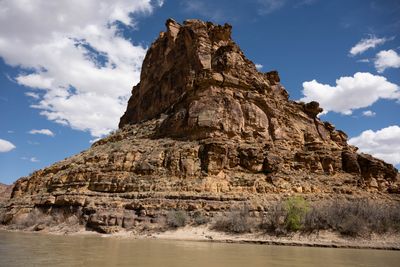
Massive isolated butte from river level — stepped erosion and horizontal bedding.
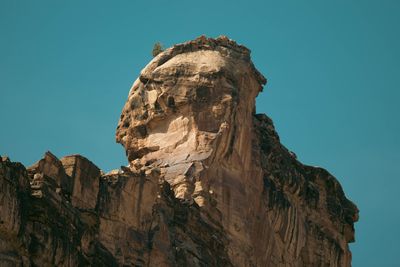
Skull Rock — the most distinctive formation of the day, eroded sandstone that looks directly at you.
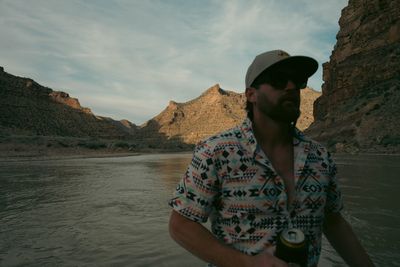
Evening on the river — crew member with a beer, canyon walls catching the last warm light.
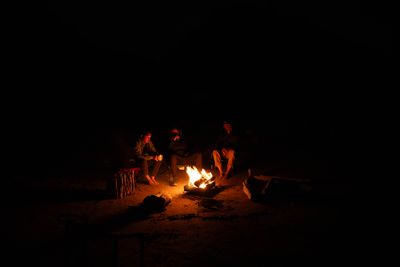
Campfire on the beach — three silhouettes around the fire, the canyon completely dark behind them.
Lighthouse Rock at Mile 71.6, river right — Powell's name for the prominent spire on the ridge where the river bends downstream right.
Joe Hutch at Low Water
1,860 cfs (USGS daily mean), water 57°F
By the third day the feel of the trip was fully established: slower current, clean weather, and a steady sequence of micro-decisions. Joe Hutch was not huge at this level, but it stayed interesting because low water exposes the structure of the rapid.
Joe Hutch at Low Water
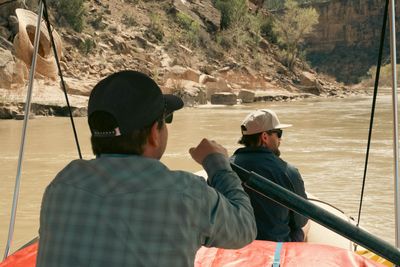
Two crew members scanning downstream from the raft — morning light, canyon walls tightening.
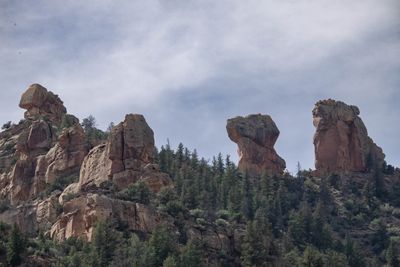
Three balanced rock towers on the canyon rim — Douglas fir between them, overcast sky.
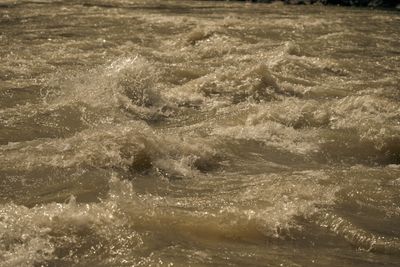
Whitewater close-up — turbulent water churning through a rocky section. Joe Hutch approaching.
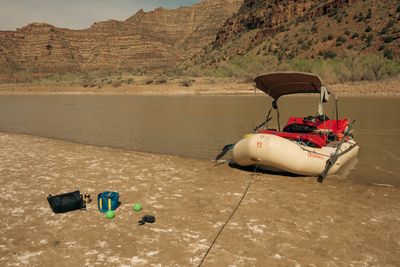
The raft parked on a wide sandy beach — gear bags, bocce balls, shade canopy up. Layered canyon behind.
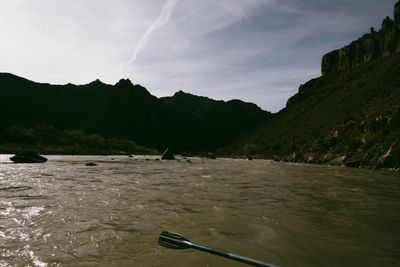
Oar blade low over dark water — the canyon silhouetted, exposed rocks downstream.
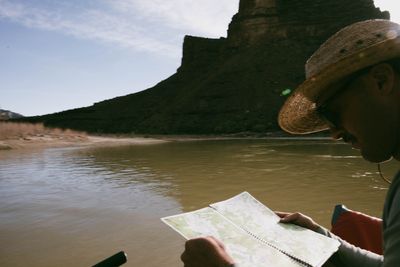
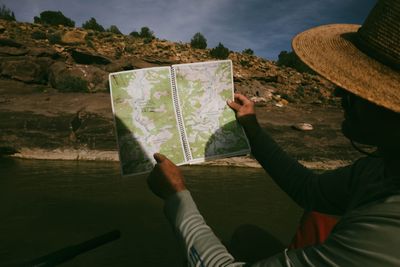
Reading the map below a massive butte — checking river miles, the canyon rising behind.
Map held up against the canyon — topo detail with the river corridor visible.
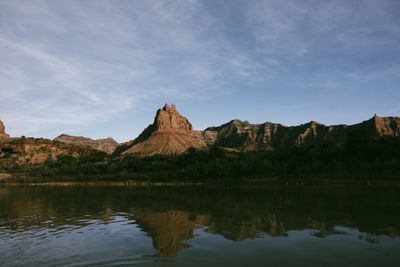
Massive spire reflected in glassy water — the canyon's signature tower with perfect mirror reflection.
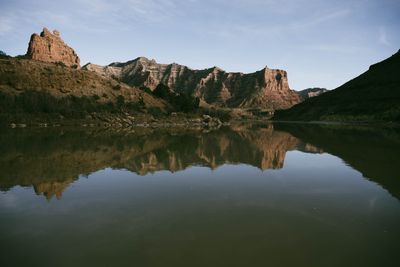
Full canyon panorama reflected in still water — layered walls and the central spire doubled.
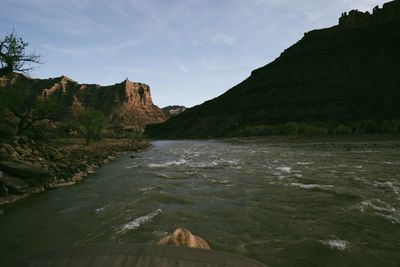
Running a rapid at dusk — whitewater with a red sandstone tower catching the last light.
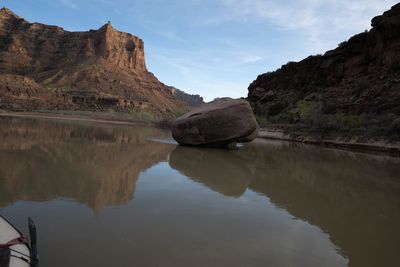
Massive boulder sitting mid-river in glassy water — red sandstone tower behind. Classic Desolation composition.
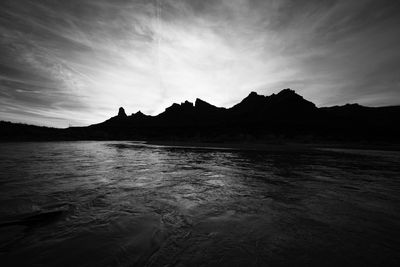
Canyon spire silhouetted in black and white — dramatic high-contrast, the river silver below.
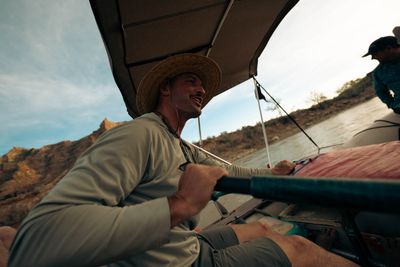
Oarsman in a straw hat, sun hoodie, red sandstone tower behind. Late afternoon push.
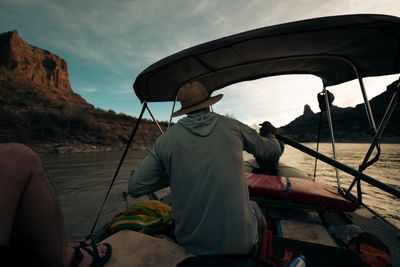
Rowing from behind — straw hat, oar in the water, towers and spires downstream.
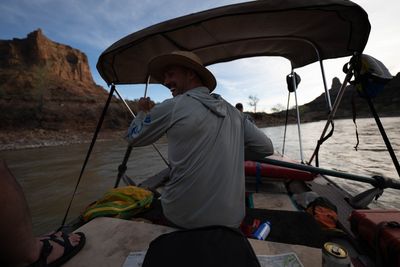
Pulling hard on the oars — smiling through the effort, canyon wall lit warm on the left.
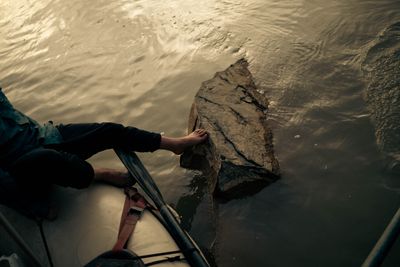
Pushing off a rock with bare feet — low water dodging. The reality of 1,800 CFS.
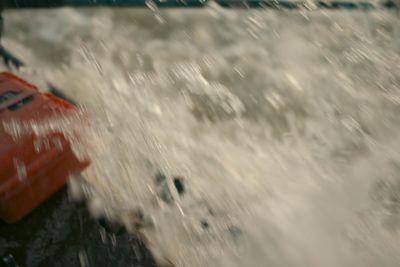
Water exploding over the bow — a wave hit from a rapid, orange dry box visible. Pure action.
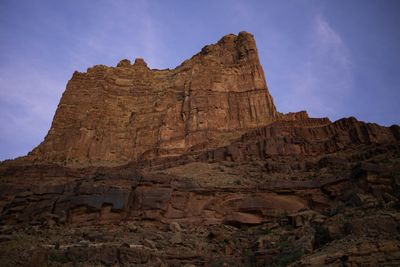
Massive sandstone tower lit by last light — the full vertical face glowing warm against blue sky.
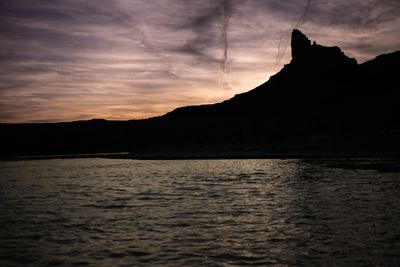
Spire silhouette at dusk — the canyon going dark, purple sky and still water.
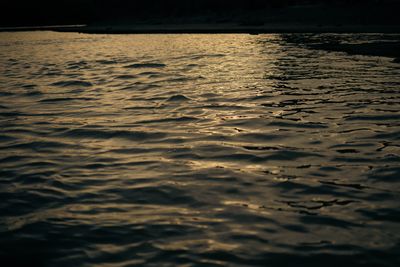
Golden light on the river surface — ripples catching the last warmth of the day.
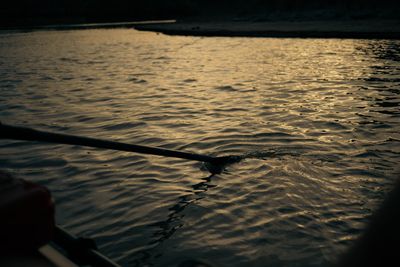
Oar blade dipping into golden water — the last strokes of the day.
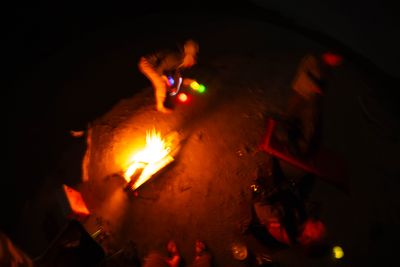
Campfire from above — crew around the fire with glow sticks, the canyon completely dark.
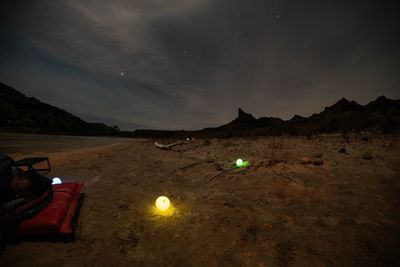
Sleeping under the stars — glowing orbs on the sand, canyon spires on the horizon, stars overhead.
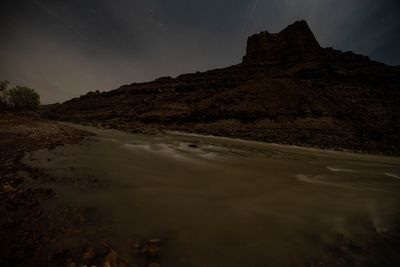
Long exposure — the river flowing silver past the canyon tower, stars beginning to streak.
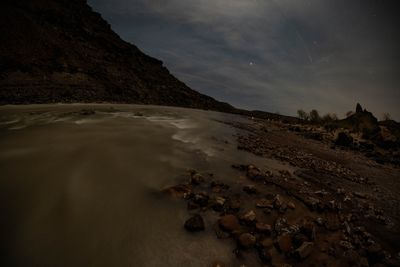
Long exposure — wide-angle river bend under moonlight, rocks in the foreground, spire on the horizon.
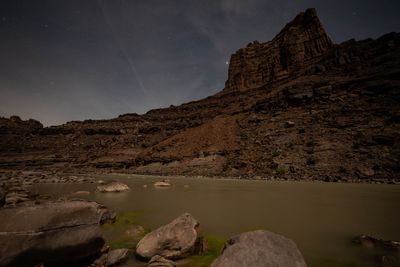
Canyon tower under stars with green algae pool in foreground — long exposure, the tower lit by moonlight.
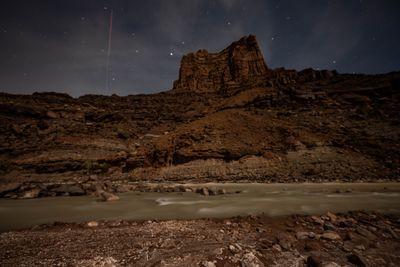
Sandstone tower lit by moonlight — star trails beginning, the river flowing silver at the base.
Sand Beach Camp Above Nefertiti
2,040 cfs (USGS daily mean), water 56°F
This was one of the more complete days of the trip: moving water, a named rapid, a worthwhile side canyon, and camp with room to slow down. Three Fords read clearly at this level but still required attention.
Sand Beach Camp Above Nefertiti
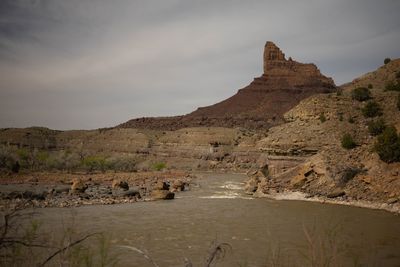
Three Fords approach — the river pushing through exposed boulders below a stepped sandstone tower. Overcast sky.
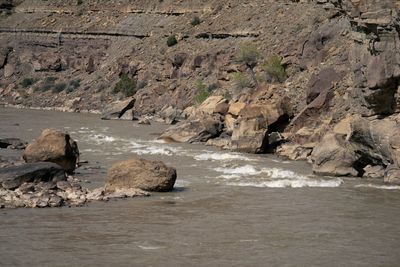
Boulder garden at Three Fords — whitewater threading between house-sized rocks at low water.
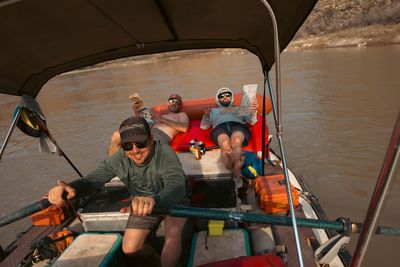
Full crew on the raft — Cutty at the oars, three crew lounging with books and drinks. The good miles.
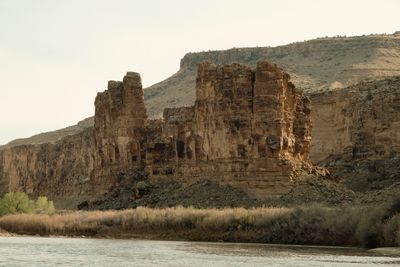
Massive sandstone fortress rising from the river — vertical columns and buttresses, the canyon at its most architectural.
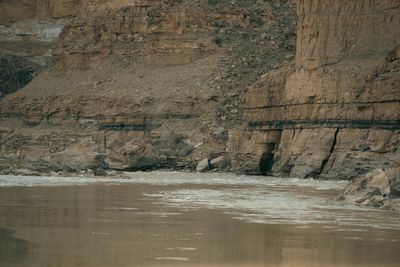
Dark shale band with sandstone above — the river cutting through a geological contact zone. Whitewater at the base.
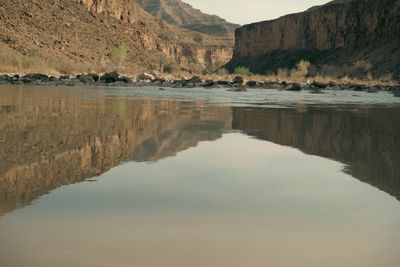
Perfect mirror reflection — canyon walls and boulder bar doubled in still water. Low-water Desolation at its most photogenic.
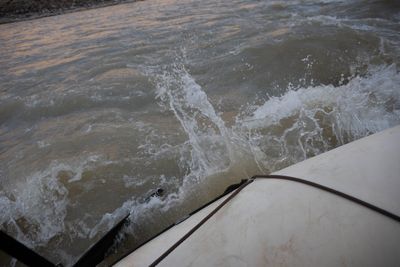
Water splashing over the tube — hitting a wave, the raft pushing through.
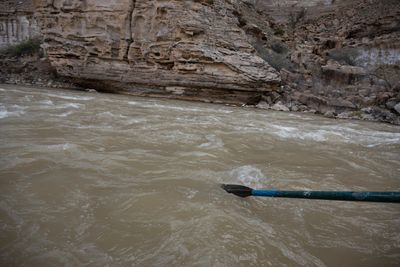
Oar blade in whitewater — pulling through a rapid, eroded sandstone wall behind.
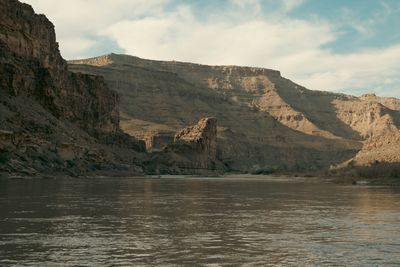
Isolated sandstone pillar standing mid-canyon — the river widening, layered mesa behind. Gray Canyon character.
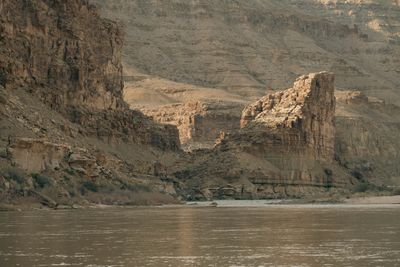
Same pillar closer — the vertical face and stepped erosion. The canyon's geology on display.
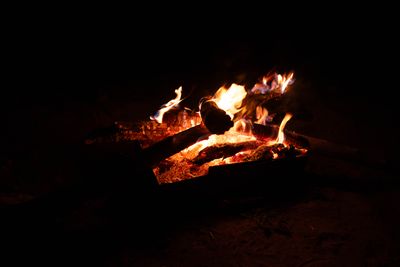
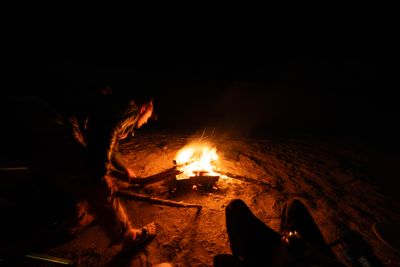
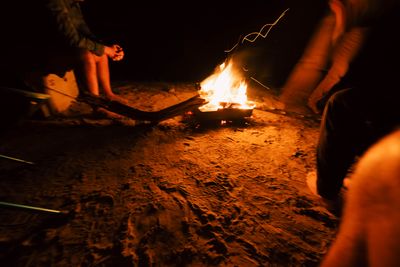
Fire in the fire pan — flames high, driftwood burning clean. Night four.
Crew around the fire — someone feeding a branch in, boots and sand in the foreground.
Campfire close — glow sticks on the ground, crew warming hands, sparks rising.
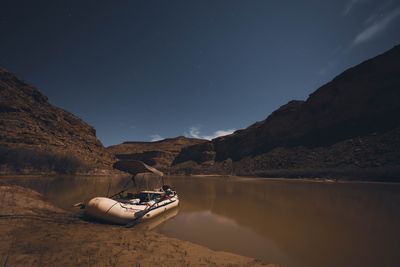
The raft parked under moonlight — long exposure, the canyon walls glowing faintly, stars above. The boat waiting for morning.
Final Push to Swaseys
2,340 cfs (USGS daily mean), water 56°F
The final day was short and practical: break camp, finish the last miles, and take out at Swaseys. Flows had risen slightly by the end of the trip, but the overall character remained low-water Desolation—technical, patient, and far more about reading the river than charging through it.
Final Push to Swaseys
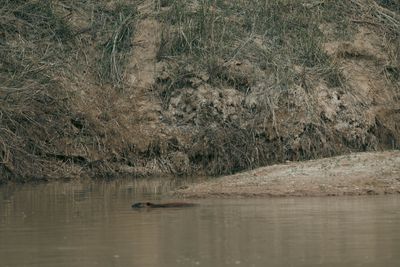
Beaver swimming along the muddy bank — the last morning wildlife sighting before takeout.
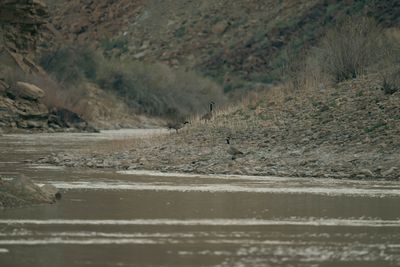
Geese standing on a gravel bar — the river flattening out as Gray Canyon opens up.
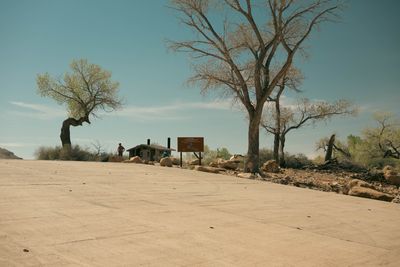
Swaseys Boat Ramp — the concrete takeout, cottonwoods, and the sign. Trip's over.
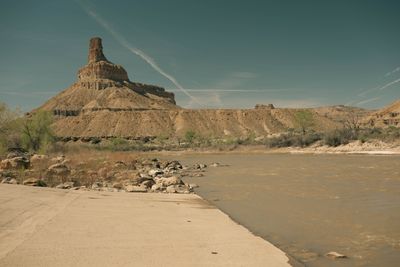
Looking back upstream from Swaseys — the iconic butte rising above the river, the canyon behind you now.
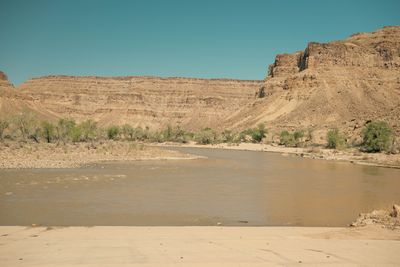
The river below Swaseys — layered canyon walls, spring green cottonwoods, the corridor continuing without you.
Day 2 long mileage push
Row longer instead of stopping early
Outcome: Made camp comfortably before dark
Insight: Low water requires earlier daily commitment to mileage.
Channel selection in braided sections
Read current instead of choosing channels by apparent depth alone
Outcome: Avoided multiple shallow hang-ups
Insight: Current was a better guide than surface appearance at these flows.
- Low-water Desolation is a line-choice trip more than a whitewater trip
- Miles take longer than expected when current is weak
- At these flows, rock dodging and shallow channel selection matter all day, lighter boats are rewarded with that extra inch of float.
- A five-day itinerary is comfortable, but only if the group rows consistently
- Better have your shit tight if your going to smoke the devils weed.
- Start earlier each day to account for slower current
- Reduce overall boat weight for better maneuverability
- Plan more intentional side canyon stops
Gear changes:
- Lighter kitchen setup
- More efficient dry box organization
- Bring one comfort item for longer camps
Good for: intermediate oarsmen, groups comfortable with slower pace, photography-focused trips
Not ideal for: groups expecting fast miles, high-water whitewater seekers
Ideal length: 5–6 days at low water
Best flows: 2,000–6,000 CFS
This version of the trip rewarded patience, daily consistency, and a willingness to stop for side canyons.
Low-water oar setup, clean boat organization, and light camp efficiency all mattered more than usual because the trip demanded steady daily movement.
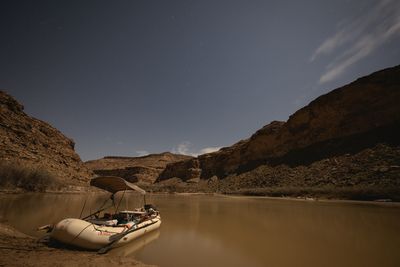
raft
Handled low-water rock contact well and tracked cleanly through braided sections.
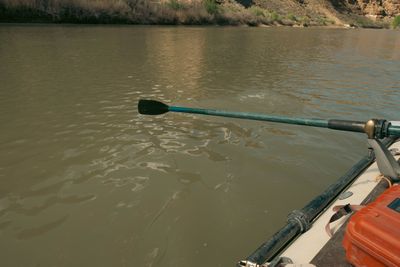
oar-system
Precise control mattered all trip due to shallow lines and exposed rock.
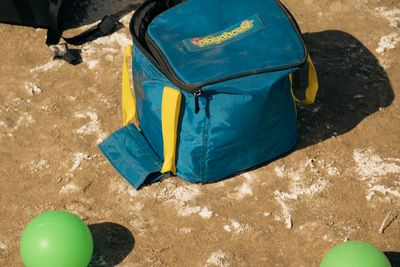
camp games
Beach bocce every evening. The glow-in-the-dark set meant the games lasted well past happy hour.
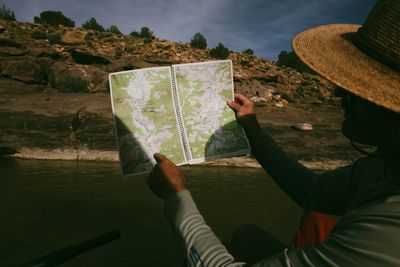
navigation
Spiral-bound waterproof river maps. Referenced constantly for mile markers, camp locations, and rapid approaches.
camp games
When the winds pick up, you can either suffer or enjoy!
Regrets:
- Added unnecessary weight for a low-water trip where efficiency mattered.
Wish list:
- More time in camp than expected due to slower miles.
Flow: USGS Green River at Ouray (09272400), 1,460–2,260 cfs daily mean.
Useful comparison trip for anyone planning Desolation below roughly 3,000 CFS.
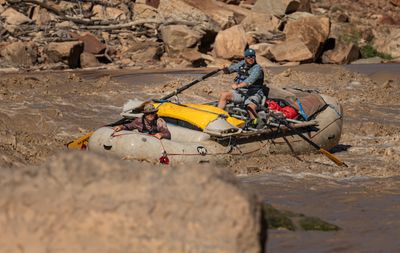
Cataract Canyon — October 2026
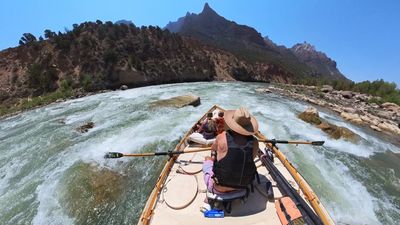
Split Mountain — August 2025 (Day Trip with Kids)
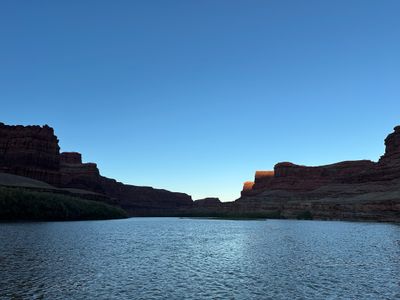
Cataract Canyon — October 2025
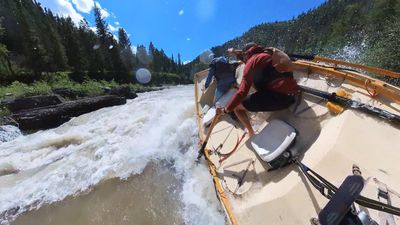
Snake River — June 2024 (Alpine Canyon x3, Dory)
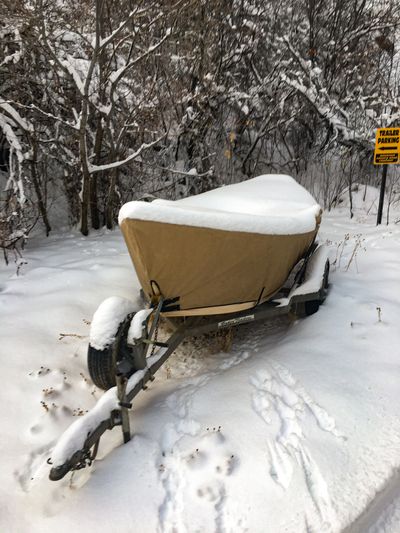
Cataract Canyon — December 2016
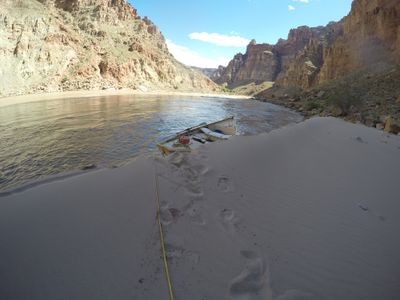
Cataract Canyon — May 2015 (~20,000 cfs)
- Tex's Riverways Shuttle service for Green River and Colorado River trips in eastern Utah. Covers Desolation Canyon, Labyrinth Canyon, Stillwater, and Cataract Canyon put-ins and take-outs. Tex's Riverways
- Redtail Aviation Fly-in shuttle service for remote river launches in eastern Utah. Provides air access to Sand Wash and other backcountry put-ins for Desolation Canyon trips. Redtail Aviation
On this trip
Join the Expedition Briefing
Route drops, river notes, gear systems, and field reports—sent like a briefing, not a newsletter.