A comprehensive guidebook to whitewater rivers in Utah and neighboring regions, covering river access, rapids, flow considerations, trip logistics, and historical context for river runners.
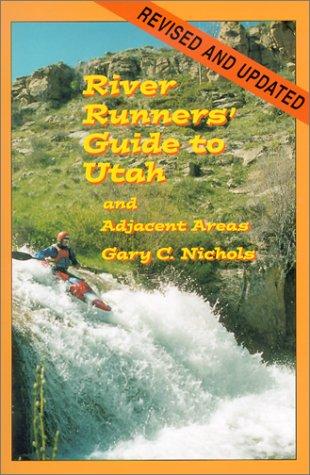
Gary Nichols's guidebook is the one you want in the truck on the drive to the put-in. It is a working reference — river by river, section by section — for every runnable river in Utah and most of the adjacent reaches in Colorado, Arizona, Wyoming, and Nevada. Put-in and take-out directions. Permit requirements. Mileage. Shuttle logistics. Rapid descriptions. Camping notes. Historical context. The book is dense, practical, and specifically assembled by somebody who has done the trips and kept notes.
What makes Nichols's guide better than its competitors is that he treats the logistics seriously. A lot of guidebooks skim the access directions and overemphasize the rapid reports. Nichols is the opposite. He'll tell you the exact turn off the county road. He'll tell you what the road turns into in wet weather. He'll tell you where to find the key for the gate at the upper put-in of a section that most people don't run. That level of logistical specificity is what separates a useful guidebook from one that looks useful but leaves you stranded at a gate at dusk.
I keep this book in the shuttle kit. Before every trip, I read the relevant section. Even on water I know, the guide catches details my memory has glossed over. The permit requirements change. The flow ranges get revised. The access roads get seasonal closures. Nichols keeps up with the changes better than most, and newer editions are worth buying when they come out, because the information is genuinely updated.
The historical context throughout is a bonus. Each river section gets a short paragraph on who ran it first, what the key historical trips were, which local names are tied to which features. Those paragraphs are not deep history — there are better books for that — but they're the right length for a truck-seat read, and they make the landscape you're about to enter feel inhabited by a lineage rather than raw.
Use it as a working document. Dog-ear the pages you need. Write corrections in the margins as you learn sections better than the book does. The guide rewards being used hard, and the copies in the river library that look the most beat-up are usually the ones that have been most useful to their owners. Nichols wrote the book to be that kind of object, and when you see somebody's copy falling apart, that's a sign the owner is getting their money's worth.