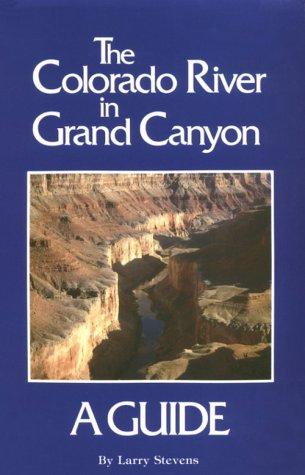
A classic guide to the Colorado River through Grand Canyon with geology, ecology, and river running notes.
Larry Stevens and Tom Martin's guide to the Colorado through Grand Canyon is one of the classic on-river references, and it belongs in the ammo can on any Grand trip. The book is mile-by-mile: river features, geology, ecology, human history, camp notes, key rapids. It is not the most literary of the Grand Canyon guides — Belknap's still takes that crown for most boaters — but it is a serious working reference written by two people who have spent their careers on the river and know what river runners actually need from a guide on the water.
What Stevens and Martin add that you don't get in Belknap is the ecology. Stevens is a working river ecologist. His chapters on the riparian plant communities, the aquatic invertebrates, the backwaters, the specific effects of the Glen Canyon Dam on the ecosystem downstream — these are informed by direct research rather than surface summary. If you care about what the river is doing ecologically, not just hydrologically or geologically, this is the guide that addresses that.
I use this guide as the third leg of the stool on Grand trips. Belknap gives me the maps. The Campbell-Whitfield geology guide gives me the rock. Stevens and Martin give me the living river — what's growing on the beach, what's in the tributary, what the tamarisk is displacing, why the humpback chub population is where it is. Layered together, the three guides let you read the canyon from the water with a reasonable level of literacy at every scale.
The human-history sections are modest but useful. Stevens and Martin don't try to do what Dolnick does or what Fedarko does. They give you the key events tied to specific miles and leave the fuller histories to the narrative books. That division of labor is right. A guide does not need to be a history book. It needs to get you to the right place with enough context to understand why the place matters, and Stevens and Martin are calibrated to that job.
Dog-ear it before the trip. Laminate the pages you use most. This is a working document, and the best copies are the ones that have been on the water for a dozen trips and are falling apart from use. If you guide the Grand, you already own it. If you run it privately, this is the second guide you add after Belknap, and it will change how you read the canyon from the moment you pass Navajo Bridge.