Skip to content
Book

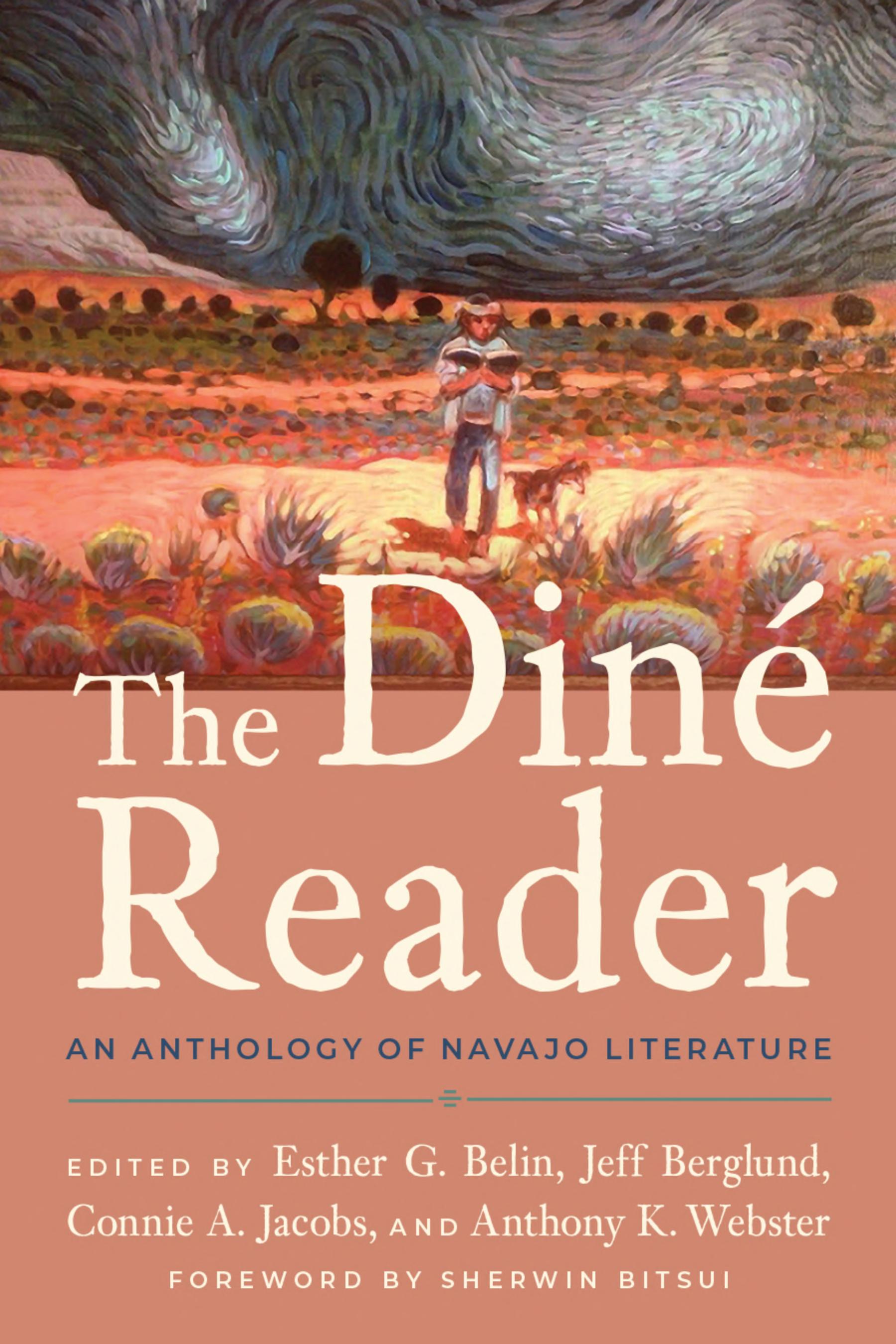
The Diné Reader

An Anthology of Navajo Literature

Cover of The Diné Reader

The first comprehensive anthology of Navajo (Diné) literature — poetry, fiction, memoir, and essay by Diné writers spanning the 20th and 21st centuries. Essential for any editorial voice writing about the canyon country and Colorado Plateau that is home to the Navajo Nation — a reminder that this land has a rich, living literary tradition in English and Navajo.

The first comprehensive anthology of Diné literature — poetry, fiction, memoir, essay — and one of the most important editorial projects to come out of the Southwest in the last decade. Belin, Berglund, Jacobs, and Webster assembled this reader from contemporary Diné writers and elders, and what you get is the canyon country as it is written from inside rather than from outside. That distinction is the whole point of the book, and it changes how you read every other book on the DM shelf that has an opinion about this region.

The anthology is not a monolith. The Diné writers in it disagree with each other, about craft, about politics, about how much of the traditional material belongs on the page at all. That disagreement is part of what the book is teaching. The public version of Diné culture — the one that shows up in non-Native writing about the Southwest — flattens a thousand-year continuous literary tradition into a set of scenic gestures. This book refuses the flattening. You meet poets in conversation with the Beats, memoirists in conversation with the academy, elders writing about sheep and uranium and the specific geographies of the reservation.

I bring this book up the first time somebody on the river or in a camp starts using any version of the word vanished to describe Indigenous peoples in the Southwest. The Diné Reader is the answer. They didn't vanish. They are, right now, writing some of the best contemporary American literature, in English and in Diné Bizaad, and you can read it in this book. That fact should change how the rest of any given conversation about the region goes.

The book is also, practically, a working resource for anybody trying to write about canyon country without committing the usual non-Native writerly errors. Every piece in the anthology is a small schooling in what sincere representation of a Native landscape reads like — whose voice gets to describe the land, which words are available, what a sentence about a mesa owes the mesa. You can learn a lot of craft from reading these pieces. Most non-Native writers would have better first drafts if they had worked through the anthology once before trying.

Read it slowly. Read it alongside whatever else you're reading about the region. The book is not a substitute for reading any specific Diné writer full-length — Luci Tapahonso, Sherwin Bitsui, Laura Tohe, all have their own collections you should also own — but it is the single best introduction to a contemporary literary tradition that most outside readers have never been told about, and the revelation of that tradition is genuinely important.

Details

Genre
Anthology, Native American Literature, Poetry
Subjects
Navajo literature, Diné poetry, Indigenous American writing, Navajo Nation, contemporary Native American voices
Geography
Navajo Nation, Colorado Plateau, Four Corners, Utah, Arizona, New Mexico
Tags
ISBN
9780816540990
Story DNA Themes, moods, voice signals
Themes
the canyon country as a living literary landscape, Diné identity, sovereignty, and place, the English language as a Navajo literary medium, memory, loss, and persistence on a contested land
Moods
diverse — ranges from elegiac to comic to defiant to lyrical, grounded in place, contemporary and alive
Motifs
the Long Walk and its aftermath, language loss and language survival, the land as mother, relation, and legal territory, uranium mining legacy
Voice
multiple registers — lyric, satiric, documentary, ceremonial, bilingual sensibility even when written in English, rooted in a specific geography
Story function
cultural-context, voice-model, tonal-counterweight, humility-inducer
Setting
Monument Valley at dawn, Chapter houses and trading posts, the Chuska Mountains, the San Juan River as Diné homeland boundary, red rock mesas from a Navajo perspective
Why this book What it influences, what it teaches
Influence
cultural-context, storytelling, tone
Knowledge
Diné (Navajo) literary tradition, Indigenous poetics in English, Navajo Nation geography and land history, uranium mining and environmental justice on the Navajo Nation, the Long Walk and its generational impact
Concepts
the Navajo Nation as a sovereign literary culture — not a backdrop, Diné bilingualism as a literary strategy, not a deficiency, the San Juan River as a cultural and legal boundary of the Navajo homeland, contemporary Native American writing as a major strand of American literature
Use cases
reading before writing any DM content about the Navajo Nation, Monument Valley, or the San Juan River corridor — to understand the living literary tradition of the people whose homeland this is, finding voice models for how to write about the canyon country from a perspective that does not default to white adventure framing, grounding cultural context sections for San Juan River expedition pages with the awareness that this river is a Diné boundary, not just a paddling route, informing DM editorial tone when addressing water rights, land use, or sacred sites in the Four Corners region, sourcing literary epigraphs or voice touchstones for DM atlas pages that cover the Navajo Nation geography
Related books
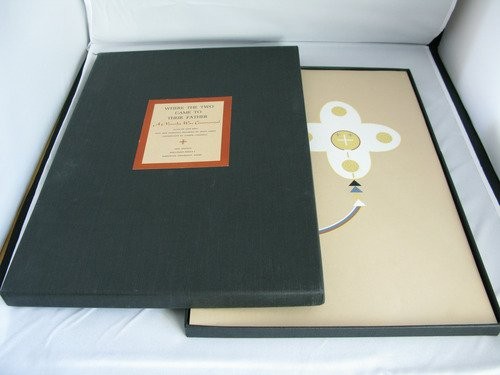
Where the Two Came to Their Father

Where the Two Came to Their Father

Jeff King, Maud Oakes, Joseph Campbell · 1943

A Navajo war ceremonial given by Haske Naabah (Jeff King), recorded and painted by Maud Oakes, with mythological commentary by Joseph Campbell — one of the foundational Bollingen Series documents transmitting the Twin Hero myth cycle and the cosmological geography embedded in Navajo ceremony. A primary-source encounter with the spiritual landscape of the canyon country.

cultural context storytelling philosophy
The Hopi Survival Kit

The Hopi Survival Kit

Thomas E. Mails · 1997

Thomas Mails's compilation of Hopi elder teachings, prophecy, and warnings — including the centrality of water, the dangers of living beyond the land's limits, and the moral stakes embedded in the Colorado Plateau's future. A difficult, earnest transmission of Hopi cosmological thought that gives human and spiritual weight to the canyon country DM operates in.

cultural context philosophy
The Puebloan Past and Present of the Colorado Plateau

The Puebloan Past and Present of the Colorado Plateau

Unknown · 2000

A scholarly regional survey of Ancestral Puebloan occupation across the Colorado Plateau — covering architecture, land use, migration, and the deep continuity between ancient and living Pueblo peoples. Note: exact bibliographic identity of this volume is uncertain; treat as representative of the University of Utah Press Colorado Plateau archaeology series.

knowledge cultural context
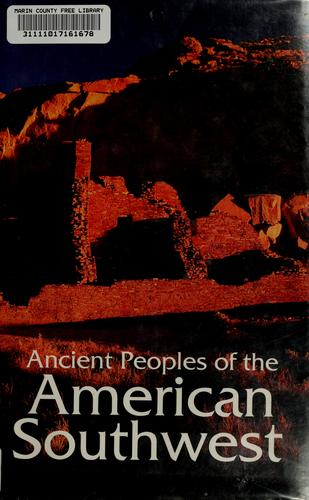
Ancient Peoples of the American Southwest

Ancient Peoples of the American Southwest

Stephen Plog · 1997

Stephen Plog's lucid, well-illustrated synthesis of the three great pre-Columbian cultures of the American Southwest — Ancestral Puebloan, Hohokam, and Mogollon — tracing their rise, interaction, and transformation across nearly two millennia. One of the most accessible single-volume overviews of the archaeology of the Four Corners and surrounding region.

knowledge cultural context
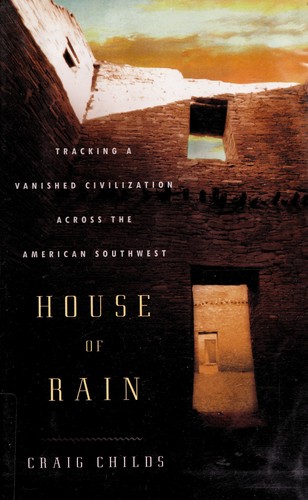
House of Rain

House of Rain

Craig Childs · 2007

Craig Childs traces the routes of the ancient Anasazi across the Colorado Plateau, uncovering evidence of a lost civilization's migrations through canyon country.

storytelling cultural context philosophy
The Canyon Country Zephyr Anthology

The Canyon Country Zephyr Anthology

Multiple Authors · 2010

A collection representing the voice, arguments, stories, and culture of canyon country, especially around Moab and the desert Southwest.

cultural context tone philosophy

Connected in the graph

  • subject/indigenous-history
  • river/san-juan-river
  • river-section/lower-san-juan
  • region/four-corners
  • region/colorado-plateau
  • theme/ancestral-puebloan
Verified 2026-04-15 · Sources: open-library · Confidence: partial