Skip to content
Book

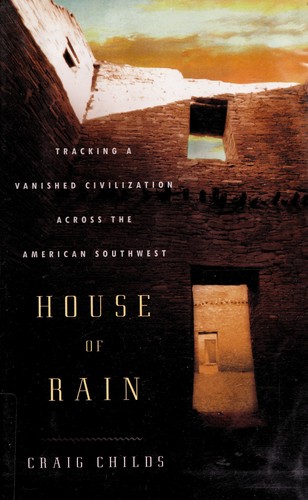
House of Rain

Tracking a Vanished Civilization Across the American Southwest

Cover of House of Rain

Craig Childs traces the routes of the ancient Anasazi across the Colorado Plateau, uncovering evidence of a lost civilization's migrations through canyon country.

Craig Childs spent years walking the paths the Ancestral Puebloans walked — from Chaco to the Colorado Plateau to northern Mexico — and House of Rain is the book that came out of those walks. It is not an archaeology book in the institutional sense. Childs is not a trained archaeologist. What he is instead is a long-distance desert walker who has done his homework, who knows the literature, and who has a specific gift for making a thousand-year-old trade route feel like something you could still follow if you just knew where to look. The book is his attempt to trace the migrations of a people who, in the standard textbook version, simply vanished.

The argument of House of Rain is that the Ancestral Puebloan world didn't collapse. It moved. Chaco didn't end; its inhabitants relocated south and west, leaving signs in the landscape that, if you know how to read them, add up to a coherent story. Childs walks those signs. He describes what he sees in a prose style that's half field notebook, half meditation, half genuinely propulsive narrative. You walk with him, literally — from great kivas to backcountry shelters to the ruins of a trade network that was continental in scope.

I hand this book to people who have just come back from a trip through the Escalante, the San Juan, Canyonlands, or the Grand Gulch and are starting to feel the presence of the old civilizations in the landscape. Childs gives you a framework for that presence. Every ledge granary, every petroglyph panel, every abandoned cliff dwelling you pass on a hike is part of a specific human migration pattern, not a random ruin. Once you have that map in your head, canyon country stops reading as empty land and starts reading as inhabited land that's been, temporarily, quiet.

Childs's prose is the other reason to read the book. He writes about the desert with a controlled physicality that very few living writers can pull off. He is out there in a way that comes through on the page. When he describes a seep in the slickrock, you feel the water. When he describes a pottery sherd, you feel the hand that shaped it. That physicality is what makes the book more than an explainer. It's a piece of immersive desert writing, and it sits next to Abbey on the shelf without embarrassment.

Read it before your next trip through Bears Ears, Cedar Mesa, or the canyons of the San Juan. Walk slower afterward. Look at the ledges. The houses are still there.
Details

Genre
Archaeology, Adventure, History
Tags
ISBN
9780316608176
Story DNA Themes, moods, voice signals
Themes
ancient migration, landscape as archive, mystery and disappearance, the canyon as inhabited place, civilizational collapse
Moods
searching, immersive, haunted, reverent
Motifs
migration routes, water and abandonment, ruins as presence, the canyon as memory, ceramic shards
Voice
visceral, exploratory, physicalist, narrative nonfiction
Story function
cultural-context, historical-context, scale-setter, philosophical-anchor
Setting
cliff dwellings above canyon floors, San Juan River corridor, mesa tops, potsherds on canyon ledges, dry stone walls
Why this book What it influences, what it teaches
Influence
storytelling, cultural-context, philosophy
Knowledge
Ancestral Puebloan culture, Colorado Plateau archaeology, canyon country migration patterns, Southwest cultural history
Concepts
Chacoan network and migration, drought-driven abandonment, canyon country as migration corridor, Ancestral Puebloan ceramic chronology
Use cases
writing about the San Juan River as a corridor of ancient human movement, contextualizing archaeological sites visible from river corridors on the Colorado Plateau, framing canyon country as a place with deep and layered human presence, adding cultural depth to descriptions of Escalante River or San Juan River canyon sections, exploring the theme of impermanence in desert civilizations alongside modern river travel
Related books
The Puebloan Past and Present of the Colorado Plateau

The Puebloan Past and Present of the Colorado Plateau

Unknown · 2000

A scholarly regional survey of Ancestral Puebloan occupation across the Colorado Plateau — covering architecture, land use, migration, and the deep continuity between ancient and living Pueblo peoples. Note: exact bibliographic identity of this volume is uncertain; treat as representative of the University of Utah Press Colorado Plateau archaeology series.

knowledge cultural context
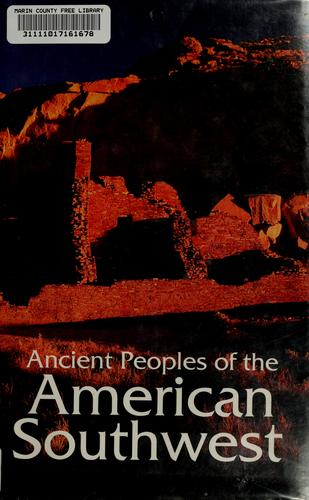
Ancient Peoples of the American Southwest

Ancient Peoples of the American Southwest

Stephen Plog · 1997

Stephen Plog's lucid, well-illustrated synthesis of the three great pre-Columbian cultures of the American Southwest — Ancestral Puebloan, Hohokam, and Mogollon — tracing their rise, interaction, and transformation across nearly two millennia. One of the most accessible single-volume overviews of the archaeology of the Four Corners and surrounding region.

knowledge cultural context
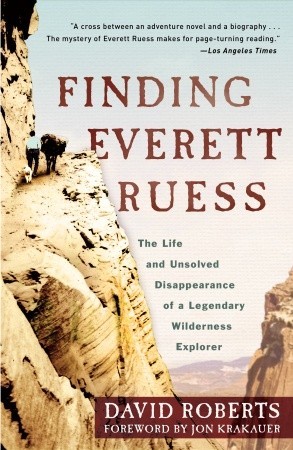
Finding Everett Ruess

Finding Everett Ruess

David Roberts · 2011

The story of Everett Ruess, whose disappearance in canyon country became one of the most compelling legends of desert exploration.

storytelling cultural context tone
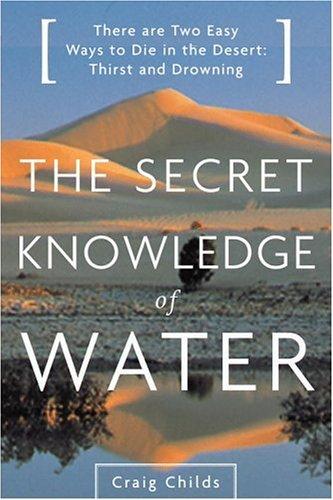
The Secret Knowledge of Water

The Secret Knowledge of Water

Craig Childs · 2000

Craig Childs explores the hidden water sources and desert hydrology of the American Southwest, revealing how water shapes and sustains life in the most arid landscapes on Earth.

tone philosophy knowledge
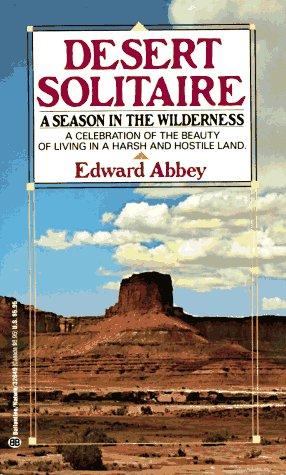
Desert Solitaire

Desert Solitaire

Edward Abbey · 1968

Edward Abbey's classic portrait of canyon country, solitude, and wilderness, influential to the identity and mythology of the Colorado Plateau.

tone philosophy
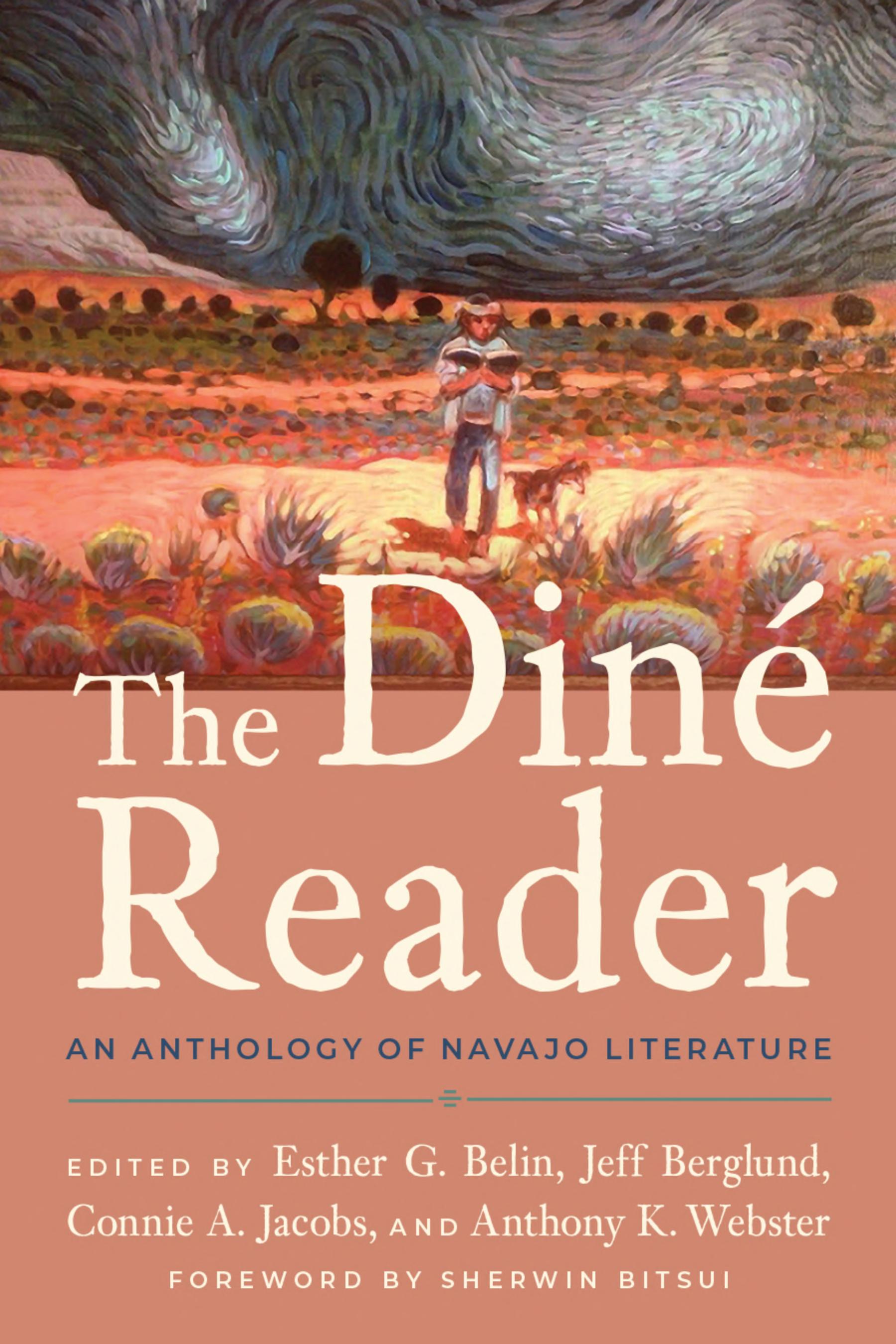
The Diné Reader

The Diné Reader

Esther G. Belin, Jeff Berglund, Connie A. Jacobs, Anthony K. Webster · 2021

The first comprehensive anthology of Navajo (Diné) literature — poetry, fiction, memoir, and essay by Diné writers spanning the 20th and 21st centuries. Essential for any editorial voice writing about the canyon country and Colorado Plateau that is home to the Navajo Nation — a reminder that this land has a rich, living literary tradition in English and Navajo.

cultural context storytelling tone

Connected in the graph

  • region/colorado-plateau
  • subject/cultural-anthropology
  • theme/ancestral-travel-routes
  • theme/migration
  • river/san-juan-river
  • river/colorado-river
  • expedition/canyonlands-cultural-route
  • river/escalante-river
  • region/grand-staircase-escalante-national-monument
Verified 2026-04-15 · Sources: open-library · Confidence: partial