Skip to content
Book

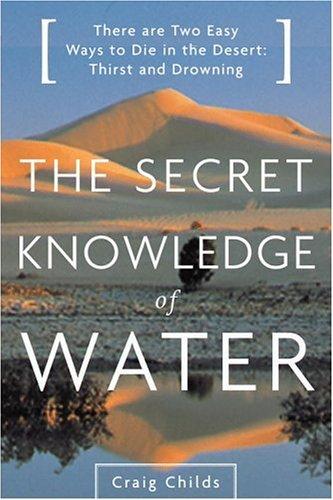
The Secret Knowledge of Water

Cover of The Secret Knowledge of Water

Craig Childs explores the hidden water sources and desert hydrology of the American Southwest, revealing how water shapes and sustains life in the most arid landscapes on Earth.

Craig Childs's book is about the ways water hides in the desert, and how a person who knows how to look can find it. That is the premise. The execution is more ambitious — the book is simultaneously a practical field manual for desert hydrology, a meditation on the specific attention the Southwest requires, and a collection of first-person essays about Childs's own long solo walks through canyon country in search of the springs, seeps, potholes, and tinajas that make the whole landscape possible.

What makes the book durable is that Childs knows what he's talking about. He has spent decades walking the backcountry of Arizona and Utah with a specific intention to find water where water is not supposed to be. The knowledge is hard-won. When he describes a seep, he is describing a specific seep he has sat next to. When he describes a pothole that fills in a particular kind of storm and holds water for a specific period afterward, he is reporting from measurements he has taken. The authority is from being out there, and it comes through on the page.

I bring this book up on any desert trip longer than a day. Childs is who you want in your head when you are walking. The book trains you to notice the specific vegetation signatures that indicate subsurface water. The specific shape of a drainage that is likely to hold a seep. The way a piece of bedrock will cup a pool that a less-attentive walker would pass without seeing. None of this is survival-manual material in the literal sense. It is a higher-order kind of attention that, once you have it, makes the whole desert denser.

The prose is the other reason to keep the book on the shelf. Childs has the rare combination of physical presence and literary control. He can describe a ten-minute moment next to a pothole in a way that is both technically precise and genuinely affecting, and he does this without straining. The best passages are the long quiet ones where he is simply reporting what he saw. The desert does most of the work. Childs's job is to keep up.

Read it before a long desert walk. Better, read it during. The chapters are short enough that you can read one at camp, sleep on it, and the next day's walking will be a different walk. Water is more visible once you know what signs to look for, and Childs is the best single teacher I have found for looking in the right places.
Details

Genre
Nature Writing, Adventure
Subjects
desert hydrology
Geography
Southwest
Tags
ISBN
9780316610698
Story DNA Themes, moods, voice signals
Themes
hidden water, desert survival, landscape awareness, wandering
Moods
meditative, mysterious, observant
Motifs
puddles, sandstone seeps, desert rain, ephemeral streams
Voice
observational, poetic, quiet
Story function
landscape-interpreter, environmental-awareness, sensory-guide
Setting
dry washes, hidden springs, slot canyons, desert storms
Why this book What it influences, what it teaches
Influence
tone, philosophy, knowledge
Knowledge
desert hydrology, Southwest water sources, canyon country navigation, arid landscape ecology
Concepts
tinajas, ephemeral stream behavior, desert water reading, seep and spring identification
Use cases
describing desert water sources along river corridors and canyon walls, writing about the ephemeral nature of desert hydrology between river sections, framing the Escalante River or San Juan River drainage as a living hydrological puzzle, evoking the sensory experience of finding water in dry canyon country, grounding desert route descriptions with awareness of hidden water dependencies
Related books
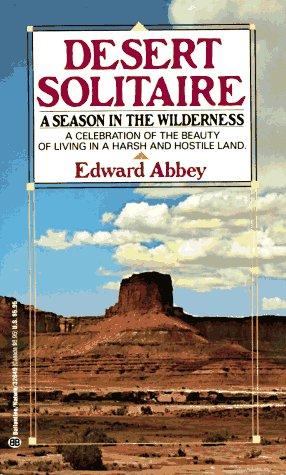
Desert Solitaire

Desert Solitaire

Edward Abbey · 1968

Edward Abbey's classic portrait of canyon country, solitude, and wilderness, influential to the identity and mythology of the Colorado Plateau.

tone philosophy
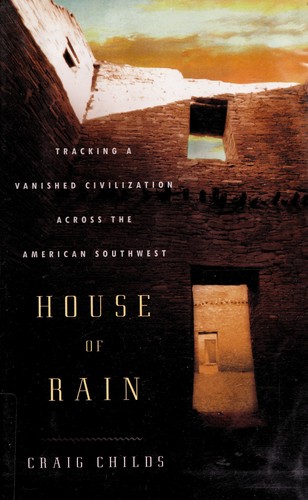
House of Rain

House of Rain

Craig Childs · 2007

Craig Childs traces the routes of the ancient Anasazi across the Colorado Plateau, uncovering evidence of a lost civilization's migrations through canyon country.

storytelling cultural context philosophy
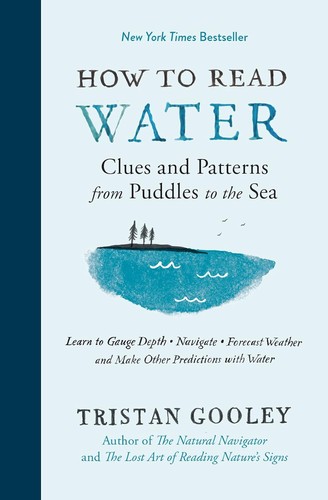
How to Read Water

How to Read Water

Tristan Gooley · 2016

A guide to understanding the subtle clues in water movement—from puddles and rivers to oceans—teaching readers how currents, waves, surface textures, and patterns reveal information about wind, depth, obstacles, and landscape.

knowledge tone
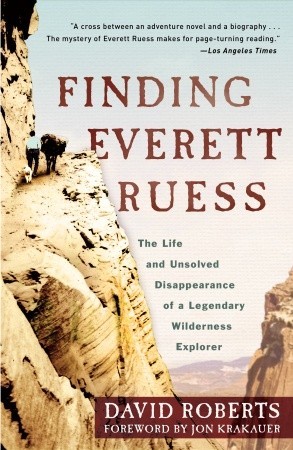
Finding Everett Ruess

Finding Everett Ruess

David Roberts · 2011

The story of Everett Ruess, whose disappearance in canyon country became one of the most compelling legends of desert exploration.

storytelling cultural context tone
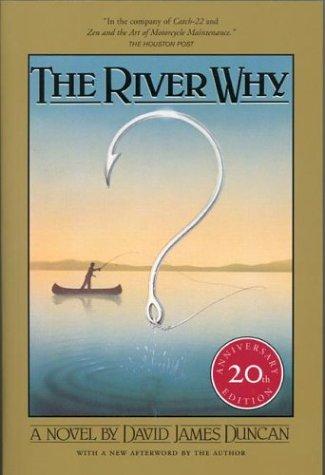
The River Why

The River Why

David James Duncan · 1983

Duncan's debut novel follows a young fly fisherman who retreats to a cabin in the Oregon Cascades and discovers that rivers are not a pastime but a way of life — a theology, a comedy, and a love affair. One of the great river novels in American literature: lyrical, funny, and deeply spiritual about moving water.

tone storytelling philosophy
The Canyon Country Zephyr Anthology

The Canyon Country Zephyr Anthology

Multiple Authors · 2010

A collection representing the voice, arguments, stories, and culture of canyon country, especially around Moab and the desert Southwest.

cultural context tone philosophy

Connected in the graph

  • theme/desert-solitude
  • theme/desert-philosophy
  • subject/hydrology
  • region/colorado-plateau
  • river/colorado-river
  • river/green-river
  • river/escalante-river
  • region/grand-staircase-escalante-national-monument
  • river/colorado-river
  • river/green-river
Verified 2026-04-15 · Sources: open-library · Confidence: partial