A historical portrait of the ranching and outlaw culture of Browns Park and the remote canyons of the Colorado Plateau, illuminating how geography shaped the final stronghold of the old frontier.
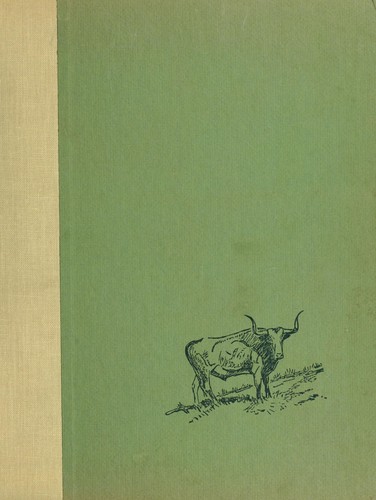
John Rolfe Burroughs's book is the classic history of Browns Park, the remote valley on the Utah-Colorado border that served as the last real stronghold of the late-nineteenth-century outlaw West. If you've run the Green River through the Gates of Lodore, or floated the sections above Dinosaur, you've passed through country Burroughs is writing about. Browns Park is specifically the basin that funnels into Lodore, and the reason that basin has the cultural shape it has is the subject of this book.
The central argument — and Burroughs makes the case patiently — is that geography preserved a version of the frontier long after the frontier had officially closed in the rest of the country. Browns Park was accessible in only a few ways, all of them involving difficult overland travel or river descent, and the remoteness sheltered a specific set of ranching families, cattle operations, and outlaw gangs from the arm of federal and state law well into the early twentieth century. Butch Cassidy is in here. So are the Hoy family, the Bassetts, the specific history of the Reader brothers. The cast is large and Burroughs knows them all.
I bring this book up on Lodore trips. The canyon walls themselves are the thing, of course, but the country upstream — the ranching country you drive through to get to the Gates of Lodore put-in — is where the human history Burroughs documents actually lived. Knowing that history as you launch changes the early miles of the trip. The river is not entering the canyon from neutral land. It is entering the canyon from one of the strangest and most specifically preserved pieces of western outlaw geography the country ever had.
The book is from 1962 and it reads like it. The prose is measured in a way that contemporary narrative nonfiction is not. The voice is more archivist than storyteller. Some sections are dry. Burroughs is interested in documenting rather than entertaining, and the reader has to bring some patience. If you come to it expecting a propulsive western narrative, you will be disappointed. If you come to it as a reference for the specific human history of a specific piece of the Green River basin, you will find everything you need.
Keep it on the shelf for the river library. It is the kind of book you reach for before a specific trip, not one you read straight through. But for Lodore, Browns Park, or anything Green-River-adjacent in that country, Burroughs is the place the record lives, and the record is genuinely useful for anybody floating through the basin with a curiosity about who was here before the National Monument boundaries made everything orderly.