Skip to content
Book

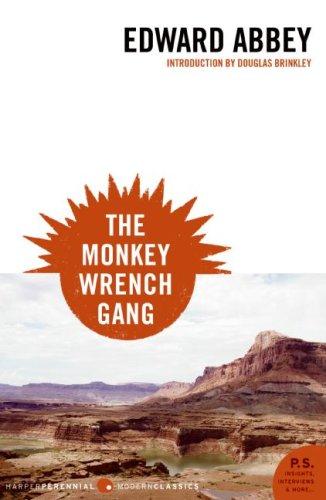
The Monkey Wrench Gang

Cover of The Monkey Wrench Gang

A gang of desert outlaws wage a reckless, irreverent war against the machines carving up the American Southwest.

The Monkey Wrench Gang is the novel Abbey wrote when the arguments from Desert Solitaire had cooked long enough to turn into fiction. Four people — a Vietnam vet named Hayduke, a Mormon river guide named Seldom Seen Smith, a doctor, and a Jewish New Yorker — form a loose gang that spends the novel disabling bulldozers, cutting billboards, and plotting, across hundreds of pages, to take down Glen Canyon Dam. They never pull off the big job. But the book is not about whether they pull it off. The book is about the specific kind of love for the desert Southwest that would make four otherwise-reasonable adults decide that moderate political action was not going to be enough.

Abbey is in full voice here. The prose is looser than Desert Solitaire, the rants are longer, the jokes are broader, and the love of the landscape is so unmistakably earned that you can forgive the book a lot of its rough edges. Canyon country is rendered with a care that the plot mechanics don't slow down — the red-rock drainages, the river camps, the specific feel of the highways between Moab and Hite — and the environmental destruction the gang is fighting is described with an anger that does not thin out. It is still there on the page when you look up from the book.

I bring this up at the fire when somebody starts a conversation about the ethics of direct action on public lands. The book is not a manual. It is not even, exactly, an endorsement. Abbey is a better writer than he is sometimes given credit for, and the gang members are not uncomplicated heroes — they are ridiculous in specific, deliberate ways, and the book is partly a comedy about how sincere political anger can tip into absurdity. That complication is the thing most polemics about the book miss.

What the novel gave the American West is a specific archetype — the monkey-wrencher, the principled saboteur, the person who has decided that the land is worth personal legal risk. That archetype traveled. Earth First! picked it up and ran with it. A generation of environmental activists named themselves after Hayduke. The influence is real and not altogether controllable, which is partly Abbey's fault for being funny enough that the joke could be mistaken for the recipe.

Read it after Desert Solitaire, not before. The essay book tells you why the novel had to exist. Without the philosophical groundwork, the gang's escalating vandalism is just vandalism. With it, the novel becomes the specific, comic, angry sequel to an argument Abbey had been making for years, and the argument is what makes the slapstick land.
Details

Genre
Fiction, Adventure, Environmental, Satire
Tags
ISBN
9780860721352
Story DNA Themes, moods, voice signals
Themes
ecological sabotage, love of place, resistance, complicity and escape, the American West under siege
Moods
exhilarating, darkly comic, furious, romantic
Motifs
wrenches and bolt cutters, fires in the dark, river camps as sanctuary, Glen Canyon Dam as villain, desert as moral landscape
Voice
sardonic, picaresque, propulsive, Abbey-drunk
Story function
myth-builder, cultural-context, philosophical-anchor, tension-builder
Setting
highway bridges at night, canyon rim campsites, desert highways, coal trains, bulldozer tracks on redrock
Why this book What it influences, what it teaches
Influence
tone, philosophy, cultural-context
Knowledge
environmental activism, Southwest canyon geography, land-use politics, river runner mythology
Concepts
ecotage, monkeywrenching, Earth First! ethos, Glen Canyon Dam as symbolic target
Use cases
writing about the cultural and political mythology of the Colorado Plateau, framing land-use conflict and development pressure in canyon country, capturing the outlaw romanticism of river runners and desert wanderers, contextualizing the environmental movement's roots in Southwest canyon culture, adding irreverent fire to any essay about wilderness protection or dam removal
Related books
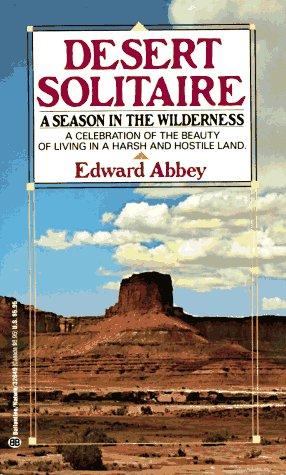
Desert Solitaire

Desert Solitaire

Edward Abbey · 1968

Edward Abbey's classic portrait of canyon country, solitude, and wilderness, influential to the identity and mythology of the Colorado Plateau.

tone philosophy
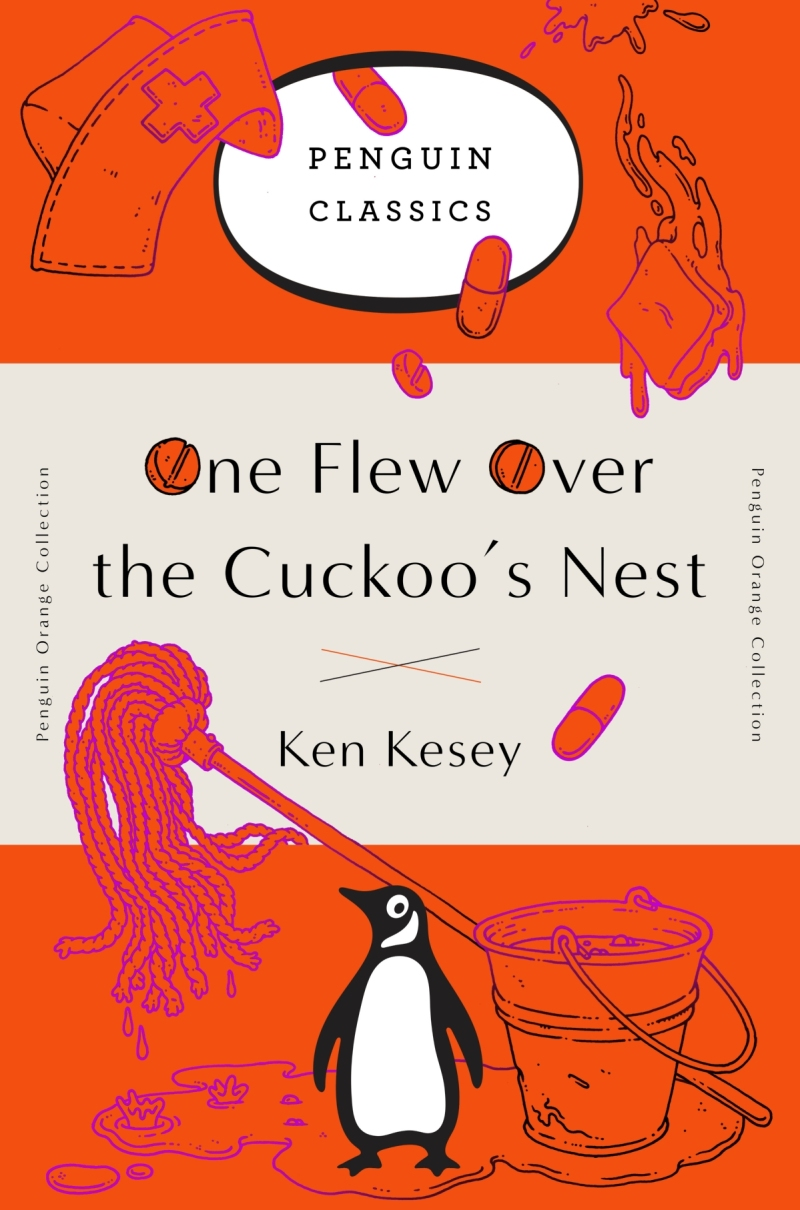
One Flew Over the Cuckoo's Nest

One Flew Over the Cuckoo's Nest

Ken Kesey · 1962

Narrated by the half-Native, half-hallucinating Chief Bromden, Kesey's novel pits the anarchic energy of Randle McMurphy against the totalizing logic of Nurse Ratched and the institution she runs. An extended meditation on power, freedom, sanity, and what it costs to refuse to be managed.

philosophy cultural context storytelling tone
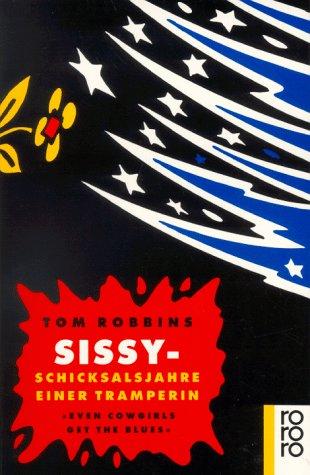
Even Cowgirls Get the Blues

Even Cowgirls Get the Blues

Tom Robbins · 1976

Sissy Hankshaw, born with outsized thumbs and an otherworldly gift for hitchhiking, travels through the American West in search of something the novel refuses to name tidily. Robbins's maximally digressive, spiritually curious, deliberately irreverent novel treats the West as a philosophical space rather than a backdrop.

tone philosophy storytelling humor
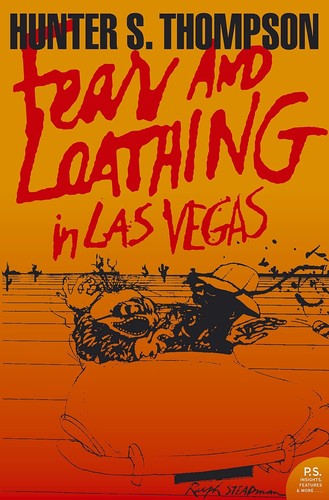
Fear and Loathing in Las Vegas

Fear and Loathing in Las Vegas

Hunter S. Thompson · 1971

Thompson's hallucinatory account of a road trip through the Nevada desert — part journalism, part novel, entirely its own category. The founding document of gonzo journalism: total immersion in the subject, paranoid clarity about American culture, and the desert Southwest rendered as a fever dream that is somehow more accurate than straight reporting.

tone storytelling cultural context humor
Cadillac Desert

Cadillac Desert

Marc Reisner · 1986

A foundational book on Western water development, dams, irrigation politics, and the long struggle over the Colorado River and the arid American West.

knowledge philosophy cultural context
The Canyon Country Zephyr Anthology

The Canyon Country Zephyr Anthology

Multiple Authors · 2010

A collection representing the voice, arguments, stories, and culture of canyon country, especially around Moab and the desert Southwest.

cultural context tone philosophy

Connected in the graph

  • river/colorado-river
  • river-section/glen-canyon
  • theme/counterculture
  • theme/wilderness-ethics
  • theme/desert-philosophy
  • region/colorado-plateau
  • region/canyonlands-national-park
  • river/escalante-river
  • region/grand-staircase-escalante-national-monument
Verified 2026-04-15 · Sources: open-library · Confidence: partial