A sweeping history of the Colorado River and its complex relationship with Western culture and landscape.
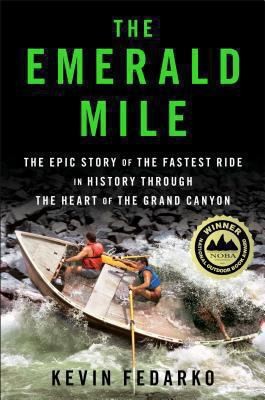
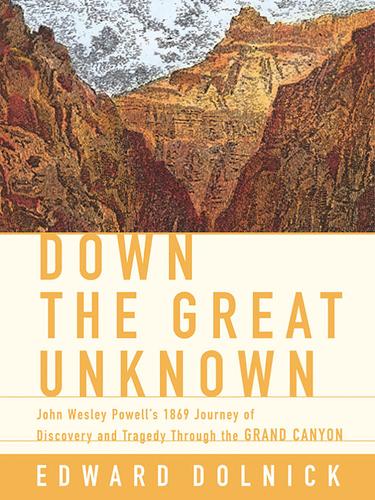
Don Lago has spent most of his writing life on the Colorado River, and River of Contraries is the book where he tries to hold the whole river in one frame — the geology, the human history, the myth, the politics, the specific paradoxes of how Americans have treated the Colorado over the last hundred and fifty years. Lago is a historian and essayist more than he is a stylist. The book reads like a long patient argument, not like a narrative, and if you come to it expecting the propulsive storytelling of Dolnick or Fedarko, you'll need to adjust.
The argument, once you settle into it, is useful. Lago's thesis is that the Colorado is the most contradicted river in America — loved and dammed, mythologized and plumbed, called the lifeblood of the Southwest while simultaneously being treated as a water-delivery system with no ecological identity of its own. Every American relationship to the Colorado, Lago argues, is internally contradictory. You cannot love the canyon and support the dam. You cannot call the river wild and accept the hydrograph the Bureau chooses. The contradictions are the story.
I bring this book up when somebody wants to understand why the Colorado produces such strong, conflicting feelings in the people who work it. Lago has done the historical work. He has read the documents. He can show you, in specific detail, how the same agency that flooded Glen Canyon produced the brochures that now market Lake Powell as a recreational paradise. The cognitive dissonance is not accidental. It was constructed, deliberately, over decades, and Lago traces the construction.
The writing is patient rather than electric, but the patience is part of the book's value. Lago is not trying to convert you on the first page. He is assembling a case slowly, out of many small observed pieces, and by chapter six the accumulated weight starts to feel earned. You come out of the book with a denser, less romantic sense of what the Colorado is and what it's been made into. That density is the point.
Read it as a counterweight to the more exciting narrative histories of the river. Dolnick, Fedarko, Worster — they tell you stories about the Colorado. Lago tells you arguments about it. Both modes are useful. The stories move you through the river's history. The arguments give you the frame for understanding what the stories are really about, and the frame is the thing that keeps holding up after the adrenaline of the narrative histories has faded.