The thrilling story of the dory daredevils who set a speed record through the Grand Canyon at the height of the legendary flood of 1983 — and of the river that made it possible.
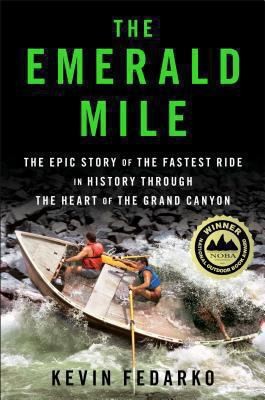
Kevin Fedarko's Emerald Mile is one of the great river narratives, and the single best book anyone has written about what the 1983 Grand Canyon flood was actually like. The hook of the book is the speed-record attempt — Kenton Grua and two dorymen launching from Lees Ferry at the peak of the runoff and trying to make Pearce Ferry in under two days, which they do — but Fedarko uses the speed run as the spine around which he builds a much larger history of the dam, the river, the specific dory culture, and the engineering near-disaster at Glen Canyon that summer.
The dam section is worth the price of admission on its own. Most people, even river people, have only the vaguest sense of how close Glen Canyon Dam came to failing in June 1983. Fedarko reconstructs the crisis in granular, hour-by-hour detail — the spillway damage, the desperate plywood flashboards bolted on top of the gates, the calls between the Bureau and the federal agencies, the moment when it was a coin flip whether the dam would hold. That reporting alone makes the book durable. You cannot read those chapters and think about Glen Canyon the same way afterward.
The speed run is where the book earns its reputation as a river classic. Fedarko is a former river guide himself, and his description of the dorymen's ride — the specific rapids at specific flows, the exhaustion, the night running, the physical-impossibility-now-becoming-possible of a full canyon run in thirty-six hours — is a master class in river writing. He gets the textures right. The crackle of the radios. The specific way a dory rides a giant wave. The argument between the runners about whether to stop at Crystal. You come out of those chapters with the closest secondhand experience of the canyon at flood stage that any book is going to give you.
I hand this to people before their first Grand Canyon trip. It is a map of the canyon's relationship to its own water, and it is a portrait of a specific subculture — the Grand Canyon dory community, a thing that existed for a specific window of time and is now a particular historical tradition that newer boatmen inherit without always understanding. Fedarko gives you the tradition. Reading the book before a trip means you show up downstream with the right ghosts in your head.
Read it. Take the long weekend for it. And then, separately, go look up the YouTube footage of the 1983 flood, because Fedarko's prose is good enough that it will have prepared you for the video and also good enough that the video will still surprise you.