Three deeply reported narratives about humanity's attempts to stop rivers, lava, and debris flows — and what the land does in return. A masterwork of geological journalism that asks whether nature can ever truly be controlled.
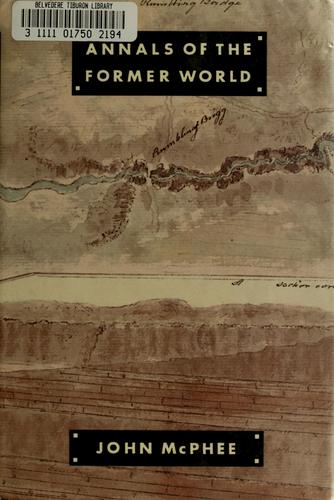
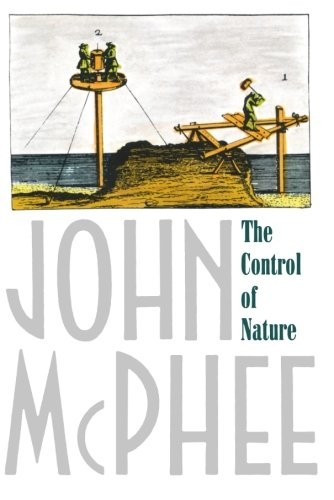
McPhee's three-part book is about people trying to stop rivers, lava, and debris flows from doing what rivers, lava, and debris flows want to do. The first section is about the Army Corps of Engineers trying to keep the Mississippi from abandoning its current channel and jumping into the Atchafalaya. The second is about an Icelandic town trying to stop a lava flow from destroying its harbor. The third is about the Los Angeles debris basins trying to keep the San Gabriel Mountains from sliding, one storm at a time, into people's houses. Three separate stories, three separate engineering heroics, one through-line: nature is going to do what nature is going to do, and we are mostly buying ourselves time.
The Mississippi section is the one to read first. McPhee is at his absolute best walking the levees and interviewing the Corps engineers, and the central fact of the story — that the Mississippi wants to change course, and that a specific federal effort is the only thing preventing a massive rerouting that would have catastrophic economic consequences — is the kind of fact that reframes every map of the lower Delta once you know it. Every time you cross that river, you are crossing a river that is being physically held in place by an ongoing institutional act of will.
I bring this book up on the Colorado whenever the conversation turns to Glen Canyon, the Compact, or any of the other places where our relationship to a specific river is being held together by bureaucratic insistence that the river not behave like a river. McPhee's lesson is not that the engineering is wrong. The lesson is that the engineering is temporary. Every major piece of river infrastructure in the West is a delay, not a solution, and the accounting for when the delay runs out is not being done in public.
The prose is McPhee at his most restrained and therefore his most effective. He lets the engineers talk. He lets the skeptics talk. He walks you through the levee systems, the debris basins, the lava-cooling spray operations — and in every case the reader accumulates enough technical detail to understand what's being attempted, without ever being lectured to. That accumulation is the method, and it is why McPhee remains the model for a specific kind of narrative nonfiction that respects both the technical material and the reader's capacity to absorb it.
Read it before any long conversation about dams, levees, or flood control. You'll come out of the book with a frame that applies everywhere in the American West, which is that we have bought ourselves decades of a specific kind of geography, and the bill comes due on a schedule nobody at the original signing wanted to think about.