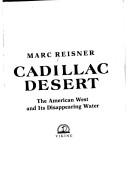
Cadillac Desert
A foundational book on Western water development, dams, irrigation politics, and the long struggle over the Colorado River and the arid American West.
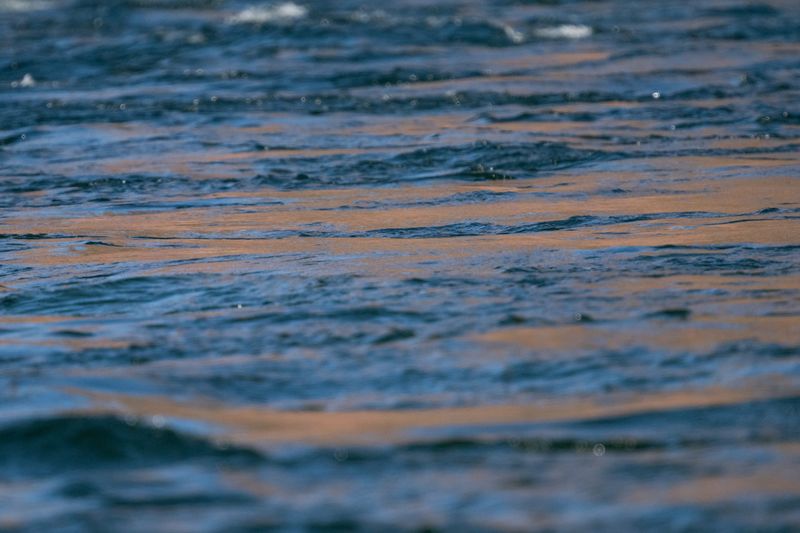
Below Glen Canyon Dam, the Colorado runs cold and clear down to Lees Ferry, where Grand Canyon river trips begin. The water is drawn from deep in Lake Powell, so it stays cold in every season and feeds a trout fishery the Park Service calls world class. Between the dam and the ferry the river loops through Horseshoe Bend, a 270-degree turn 1,000 feet deep, seen here from the water instead of the overlook.
Boats come at it from below: every trip starts at Lees Ferry and works upstream before floating home, and river travel stops at the closure buoys a quarter mile below the dam. The rest of Glen Canyon lies above the dam, drowned by the reservoir that keeps this water cold.
The Lees Ferry gauge reads the dam's releases, which set the flow on this reach. The water comes off the bottom of Lake Powell and runs cold: about 45–54°F when the lake is full, warmer when it is low.
At Lees Ferry, the launch for Grand Canyon river trips, at the foot of the tailwater below Glen Canyon Dam.
USGS #09380000Below 8,000 cfs. The dam's minimum release is 8,000 cfs from 7 a.m. to 7 p.m. and 5,000 cfs overnight, so the river can drop below 8,000 cfs at night.
8,000 to 25,000 cfs: the dam's normal operating range. 25,000 cfs is the most a normal release may carry.
Above 25,000 cfs: an experimental, emergency or equalization release. The planned high-flow experiments push Paria River sand onto Grand Canyon beaches; the April 2023 release held about 39,500 cfs for 72 hours, and the river rose and fell quickly as it started and ended.
Floatable year-round; the flow follows Glen Canyon Dam's releases. Check the day's outflow with the Bureau of Reclamation before launching.
↑ Rim
↓ River level
This reach became a tailwater in March 1963, when Glen Canyon Dam's diversion tunnels closed and the reservoir began to fill.
Lees Ferry, at the bottom of the reach, was a Colorado River crossing before it was the launch for Grand Canyon trips. In 1910 Charles H. Spencer tried to extract gold from the clay hills there.
There is no put-in at the dam. Every trip launches at Lees Ferry: a backhaul boat carries paddlers upstream and they float back, or Wilderness River Adventures runs a guided smooth-water float from Lees Ferry to Horseshoe Bend and back. Boaters self-issue a free Backcountry River Permit at the launch ramp. Five designated camps upriver are free and first-come, with toilets and fire pits, 14 days at most.
Boating between Glen Canyon Dam and Lees Ferry needs a free Backcountry River Permit, one per group, filled out at the self-serve kiosk above the Lees Ferry launch ramp (since June 1, 2023). Passengers on a concessioner float, and anyone hiking or fishing from the bank, do not need one. The Glen Canyon entrance fee applies. River travel stops at the closure buoys about a quarter mile below the dam. Everyone on a hand-propelled craft wears a Coast Guard approved life jacket while underway.
Books that shape the science, history, and stories behind this place.
A foundational book on Western water development, dams, irrigation politics, and the long struggle over the Colorado River and the arid American West.
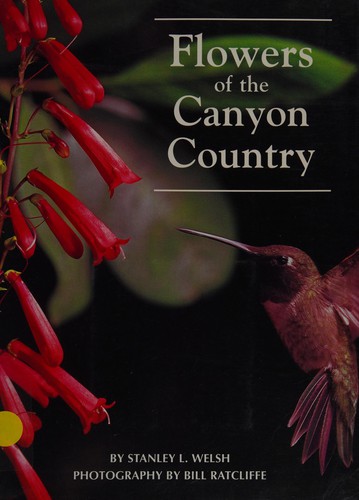
An accessible introduction to the rock layers, canyon formation, and landscapes of the Colorado Plateau and canyon country.
An in-depth environmental and human history of Cataract Canyon and the rivers of Canyonlands, exploring Indigenous presence, exploration, dam impacts, river ecology, and the evolution of modern river running.
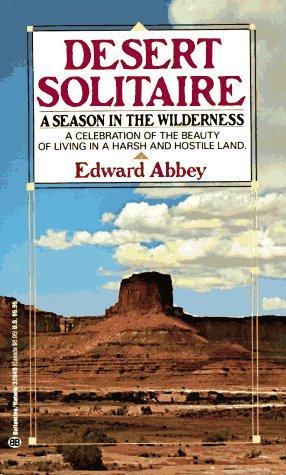
Edward Abbey's classic portrait of canyon country, solitude, and wilderness, influential to the identity and mythology of the Colorado Plateau.
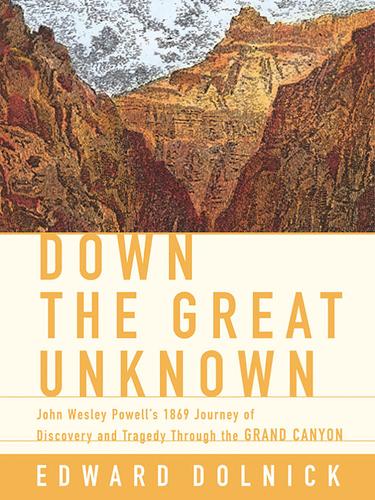
The dramatic story of John Wesley Powell's first expedition through the Grand Canyon and the birth of river exploration in the American West.
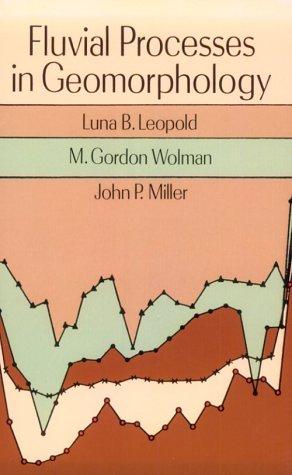
A foundational scientific text on river geomorphology, covering sediment transport, channel form, fluvial dynamics, and the physical processes that shape river systems.