Skip to content
Book

Barrel Fever

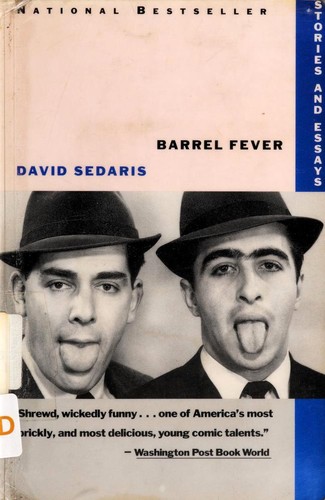
Cover of Barrel Fever

Sedaris's debut collection mixes caustic personal essays with dark short fiction, introducing his signature voice: self-lacerating, absurdly specific, socially horrified, and funnier than it has any right to be. The fiction pieces in particular show a writer willing to go somewhere genuinely uncomfortable.

Sedaris's first book, and you can feel him still figuring out what he's going to do for the next thirty years. Half of Barrel Fever is short fiction — some of it pretty weird, some of it very early-nineties-New-York — and the other half is the personal essays that would turn him into, eventually, one of the most reliable comedy acts in American letters. The most famous piece, SantaLand Diaries, is in here. Twenty-three pages of a guy working as an elf at Macy's during Christmas. If you've only heard it on the radio, read it on the page. The sentences hit different when you can see the construction.

The voice in these early essays is rawer than the later stuff. It hasn't been sanded yet. He's writing about his family, which is the vein he'll keep mining successfully for decades, but he hasn't quite learned when to pull back, so some of the Barrel Fever pieces cut closer than he probably meant them to. Which, honestly, makes them better. The family in the later books — especially Dress Your Family in Corduroy and Denim — is softer. Here, everybody's still a little bit dangerous.

This is not a book I'd tell you to read on the river, particularly. It's not a desert book. It's not a landscape book. There's no geology. But if you run trips with the kind of people who can hold silence but also need, on day six, to be reminded that human beings are ridiculous, this is the book that does it. Sedaris is the best living writer in English on the texture of social embarrassment. Which has a use in a crew, on a long afternoon, when somebody needs reminding that other people's families are also a catastrophe.

The short fiction in the first half is uneven and you can skip around. The essays at the back are where the book earns its spot on the shelf. SantaLand Diaries, Diary of a Smoker, Giantess — these are essays where you can see Sedaris learning, one piece at a time, that his family is a world and he gets to be the cartographer. The voice that maps that world is already nearly complete. He just didn't know yet how nicely it was going to age.

Read it after a long day, alone in a tent, with a headlamp. Laugh loud enough that whoever's camped next to you asks what was funny. Refuse to explain. That's how this book is meant to travel.
Details

Genre
Essays, Humor, Short Fiction
Subjects
family dysfunction, social anxiety, American suburban life, dark comedy, the uses of humiliation
Geography
American suburbs, North Carolina, New York
Tags
ISBN
9780316779425
Story DNA Themes, moods, voice signals
Themes
humiliation as material, the family as source of ruin and love, social performance and its failures, the outsider inside the system, darkness that is also funny
Moods
dark-comic, self-lacerating, socially horrified, absurdist, tender-under-the-acid
Motifs
the scene that should not be funny but is, the self as primary target, the gap between social expectation and actual behavior
Voice
specific detail as the engine of comedy, the essay narrator who is always slightly in the wrong, building to a line that devastates, never explaining the joke
Story function
humor-anchor, voice-model, tonal-counterweight
Setting
enclosed domestic spaces, anywhere social norms are being violated, the American interior where things go wrong quietly
Why this book What it influences, what it teaches
Influence
tone, humor, storytelling
Knowledge
comedic essay structure, personal narrative, social dynamics, family and group psychology
Concepts
specific detail as comedic engine, humiliation as narrative gift, the essay that is also fiction in feeling
Use cases
writing about gear failures, logistical disasters, or camp embarrassments with Sedaris-level specificity, using the self-deprecating narrator mode for first-person trip reports where things went wrong, finding the comedy inside genuinely uncomfortable outdoor situations without deflating the stakes, writing about the social dynamics of a multiday river group with dark honesty
Related books
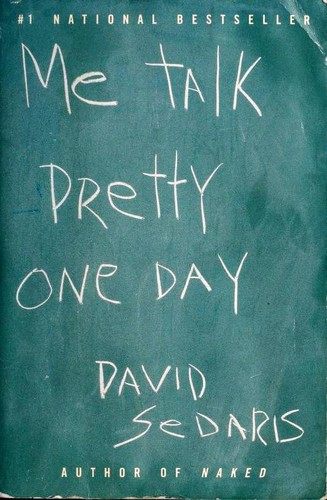
Me Talk Pretty One Day

Me Talk Pretty One Day

David Sedaris · 2000

Sedaris at the height of his powers — the first half set in America (art school, siblings, odd jobs), the second in France attempting to learn the language and failing spectacularly. A masterclass in building a deeply funny, warmly human persona from the raw material of one's own inadequacy.

tone humor storytelling
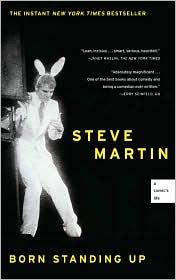
Born Standing Up

Born Standing Up

Steve Martin · 2007

Martin's precise, unsentimental account of a decade of grinding craft — playing near-empty clubs, developing a deliberately absurdist act, and surviving the long ambiguous middle before everything worked. A memoir about obsessive mastery that happens to be about comedy, useful as a model for writing about any discipline that requires years of invisible apprenticeship.

tone storytelling philosophy
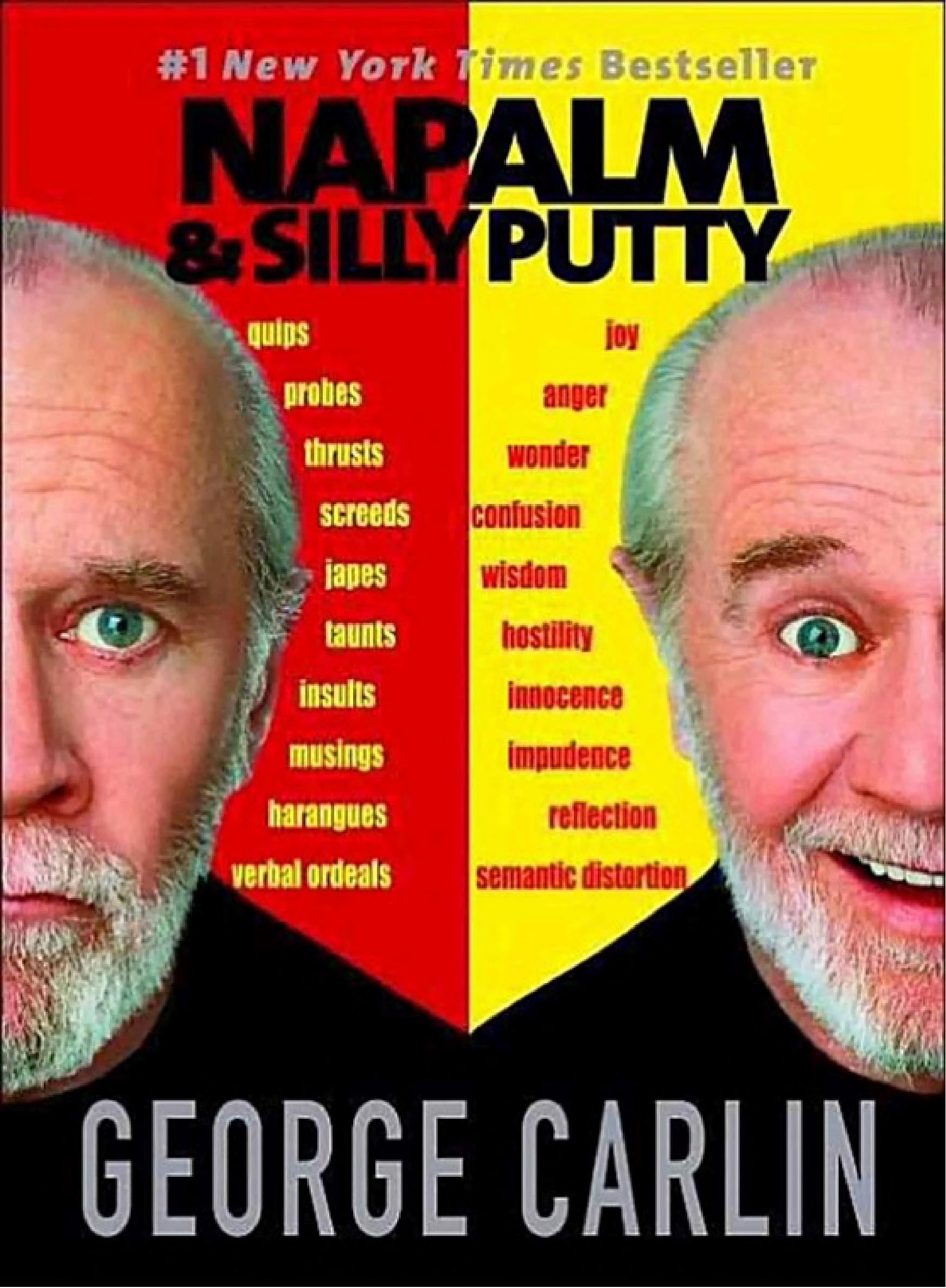
Napalm & Silly Putty

Napalm & Silly Putty

George Carlin · 2001

Carlin's written comedy at full force — short, vicious observations on language, consumer culture, bureaucratic absurdity, and the self-seriousness of people who could use a hard look in the mirror. The page format lets the ideas land harder than the stage versions; nothing is softened.

tone humor cultural context
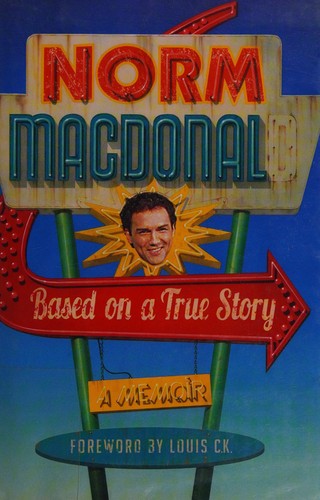
Based on a True Story

Based on a True Story

Norm Macdonald · 2016

Macdonald's 'memoir' that is simultaneously a novel, a meditation on death, and a serious philosophical inquiry into the difference between a story and the truth. One of the strangest books a comedian has produced — structured around the joke as the only honest response to mortality, and the lie as the only honest form of autobiography.

tone storytelling humor philosophy
How to Talk Dirty and Influence People

How to Talk Dirty and Influence People

Lenny Bruce · 1965

Lenny Bruce's autobiography — part confessional, part comedy manifesto, part indictment of American hypocrisy. Written while he was being prosecuted for obscenity, it reads as both a life story and an argument about what language, truth, and comedy are actually for.

tone humor philosophy cultural context
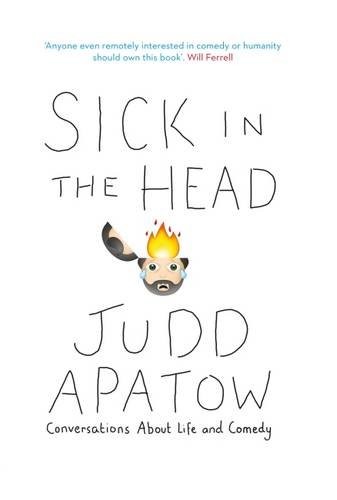
Sick in the Head

Sick in the Head

Judd Apatow · 2015

Thirty years of Apatow's interviews with comedians — from a teenage Apatow with a tape recorder interviewing Carlin and Seinfeld, to career-peak conversations with Louis C.K., Lena Dunham, and others. A book about obsession, apprenticeship, and the specific compulsion that drives people to be funny for a living.

storytelling cultural context humor

Connected in the graph

  • theme/comedy-as-criticism
  • theme/trip-report-voice
  • theme/outdoor-voice
  • theme/camp-culture
Verified 2026-04-15 · Sources: open-library · Confidence: partial