Skip to content
Book

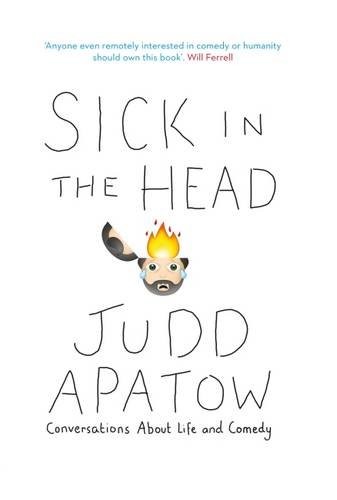
Sick in the Head

Conversations About Life and Comedy

Cover of Sick in the Head

Thirty years of Apatow's interviews with comedians — from a teenage Apatow with a tape recorder interviewing Carlin and Seinfeld, to career-peak conversations with Louis C.K., Lena Dunham, and others. A book about obsession, apprenticeship, and the specific compulsion that drives people to be funny for a living.

Judd Apatow started interviewing comedians when he was a teenager, tape recorder in hand, working for his high school radio station. He never stopped. Sick in the Head is thirty-plus years of those interviews collected into a single book, and reading it cover to cover is something closer to watching a specific subculture come into focus than reading a conventional book. The teenage-Apatow interviews with Carlin, Seinfeld, and Garry Shandling are in here. So are career-peak conversations with Louis C.K., Lena Dunham, Chris Rock, Sarah Silverman, Mel Brooks, and a dozen others. The range is the point.

What emerges across the interviews is a portrait of a specific kind of American working artist — obsessive, self-critical, generally unhappy in useful ways, willing to spend decades in a craft that might never make them rich or famous because the work itself is the only thing that makes sense. Apatow is the perfect interviewer for this material because he is one of them. He asks the questions that somebody outside comedy would not know to ask, and the answers he gets are denser, more specific, and more honest than the answers the same comedians give to magazine profilers.

I bring this book up when somebody's trying to understand the craft mentality — not just in comedy, but in any discipline where you have to put in a decade of unrewarded work before anyone notices. The shape of the working life is the same across the crafts, and Sick in the Head makes it legible. The endless obscurity. The specific kind of self-interrogation that sustains the work. The doubt. The way every comedian in the book describes some version of the same creative loneliness. You can translate all of that into river guiding, photography, writing, any craft that keeps you in the middle for long periods before anyone sees you.

The book is also just extremely funny in places. Apatow keeps in the passages where his interview subjects crack him up, and you can feel the two-professionals-riffing energy even in transcript. It's not a substitute for seeing these comedians perform, but it's the closest thing — you get the voice, the rhythm, the specific way each one builds an argument. If you're a fan of any of the working comedians in the collection, reading their interview is a minor gift.

Read it in pieces. Pick an interview. Read it at camp. Come back the next night for a different one. The book is designed to be read that way, and the cumulative picture that develops — of what a life in comedy actually is — is the book's real contribution, earned one interview at a time over the course of a month.
Details

Genre
Humor, Interviews, Cultural History
Subjects
stand-up comedy, craft interviews, creative obsession, apprenticeship, comedy culture
Tags
ISBN
9780715650608

Where to buy

Some links are affiliate — we may earn a commission at no cost to you. See merchants.

Story DNA Themes, moods, voice signals
Themes
obsession as prerequisite for mastery, comedy as serious work, the interview as portrait, craft across generations, the question as the real document
Moods
enthusiastic, technically curious, warm but probing, occasionally hilarious by accident
Voice
the good question that opens the subject up, letting the subject reveal themselves through what they choose to elaborate on, enthusiasm as interviewing technique, the generational through-line in how craft gets transmitted
Story function
cultural-context, knowledge-foundation, character-pressure, voice-model
Setting
the green room, the diner, the phone call — the infrastructure of the comedy world
Why this book What it influences, what it teaches
Influence
storytelling, cultural-context, humor
Knowledge
comedy craft, interview technique, creative obsession, American comedy history, apprenticeship and transmission of skill
Concepts
the question as portrait, obsession as credential, generational craft transmission, enthusiasm as interview posture
Use cases
DM interviews or profiles of guides, outfitters, or river historians — Apatow's interview structure shows how to use questions to reveal philosophy rather than facts, Editorial introductions to book or gear recommendations that frame the subject the way Apatow frames his subjects — through their obsessions rather than their credentials, Behind-the-scenes expedition writing that focuses on the craft and obsession of the people involved rather than the achievement, Any DM piece that needs to communicate the depth of someone's expertise through their specific preoccupations rather than their resume, River culture essays that use the interview-within-the-essay form — actual or reconstructed dialogue that reveals how practitioners think about their discipline
Related books
Born Standing Up

Born Standing Up

Steve Martin · 2007

Martin's precise, unsentimental account of a decade of grinding craft — playing near-empty clubs, developing a deliberately absurdist act, and surviving the long ambiguous middle before everything worked. A memoir about obsessive mastery that happens to be about comedy, useful as a model for writing about any discipline that requires years of invisible apprenticeship.

tone storytelling philosophy
Barrel Fever

Barrel Fever

David Sedaris · 1994

Sedaris's debut collection mixes caustic personal essays with dark short fiction, introducing his signature voice: self-lacerating, absurdly specific, socially horrified, and funnier than it has any right to be. The fiction pieces in particular show a writer willing to go somewhere genuinely uncomfortable.

tone humor storytelling
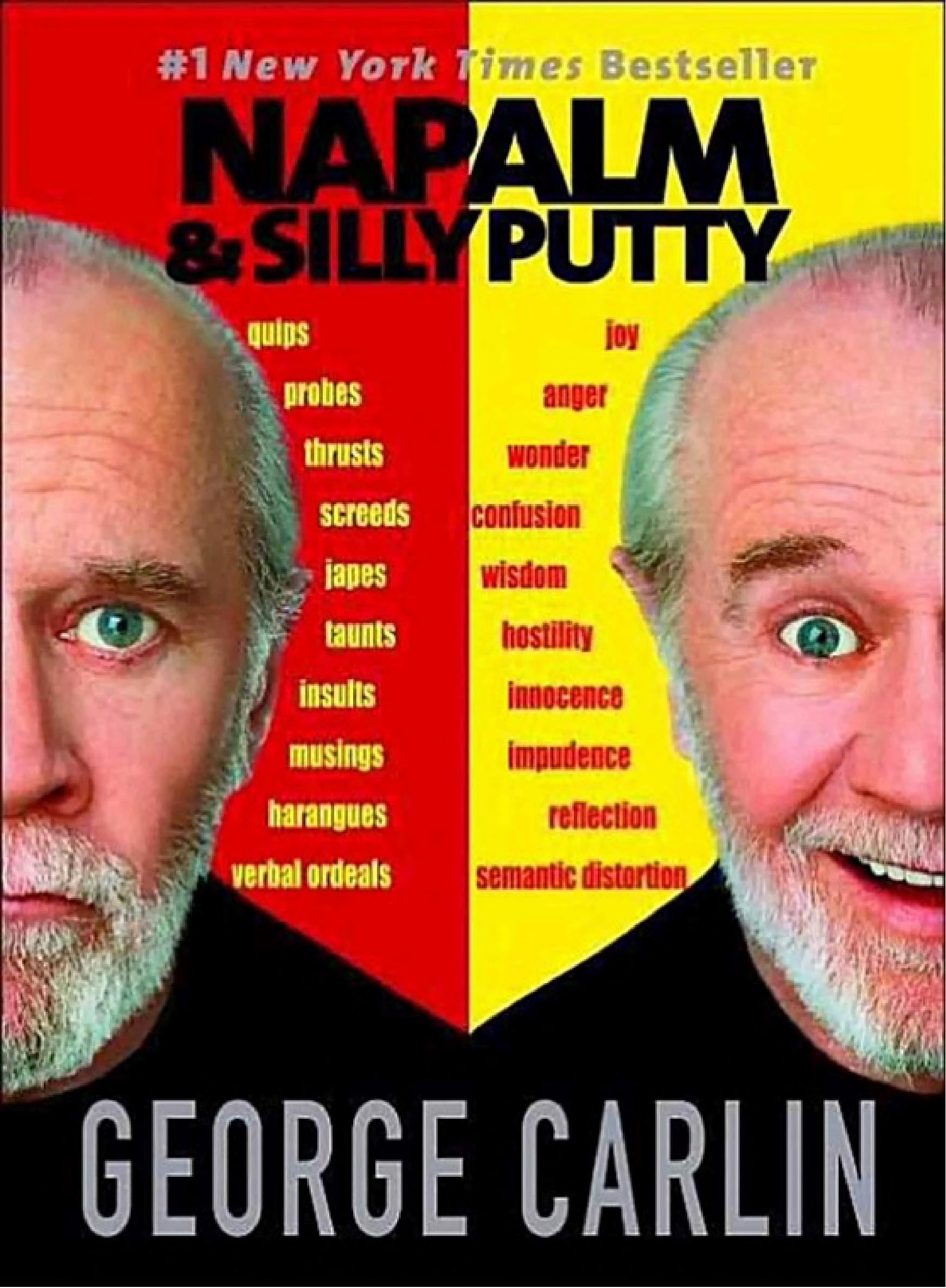
Napalm & Silly Putty

Napalm & Silly Putty

George Carlin · 2001

Carlin's written comedy at full force — short, vicious observations on language, consumer culture, bureaucratic absurdity, and the self-seriousness of people who could use a hard look in the mirror. The page format lets the ideas land harder than the stage versions; nothing is softened.

tone humor cultural context
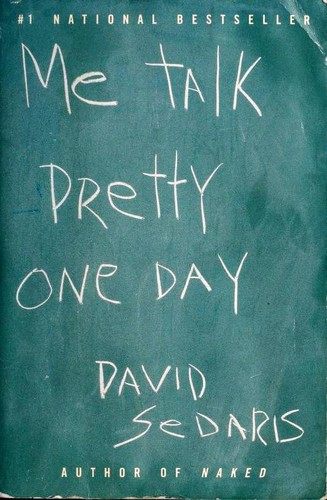
Me Talk Pretty One Day

Me Talk Pretty One Day

David Sedaris · 2000

Sedaris at the height of his powers — the first half set in America (art school, siblings, odd jobs), the second in France attempting to learn the language and failing spectacularly. A masterclass in building a deeply funny, warmly human persona from the raw material of one's own inadequacy.

tone humor storytelling
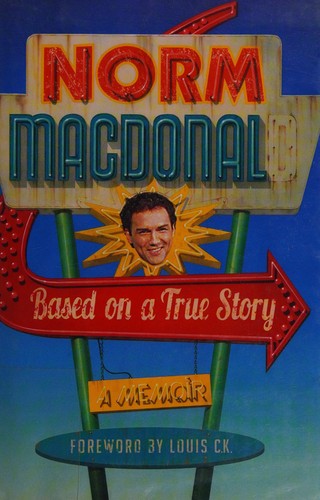
Based on a True Story

Based on a True Story

Norm Macdonald · 2016

Macdonald's 'memoir' that is simultaneously a novel, a meditation on death, and a serious philosophical inquiry into the difference between a story and the truth. One of the strangest books a comedian has produced — structured around the joke as the only honest response to mortality, and the lie as the only honest form of autobiography.

tone storytelling humor philosophy
How to Talk Dirty and Influence People

How to Talk Dirty and Influence People

Lenny Bruce · 1965

Lenny Bruce's autobiography — part confessional, part comedy manifesto, part indictment of American hypocrisy. Written while he was being prosecuted for obscenity, it reads as both a life story and an argument about what language, truth, and comedy are actually for.

tone humor philosophy cultural context

Connected in the graph

  • theme/craft-and-mastery
  • theme/comedy-as-criticism
  • theme/outdoor-voice
  • theme/river-culture
Verified 2026-04-15 · Sources: open-library · Confidence: partial