Skip to content
Book

Born Standing Up

A Comic's Life

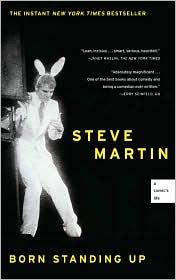
Cover of Born Standing Up

Martin's precise, unsentimental account of a decade of grinding craft — playing near-empty clubs, developing a deliberately absurdist act, and surviving the long ambiguous middle before everything worked. A memoir about obsessive mastery that happens to be about comedy, useful as a model for writing about any discipline that requires years of invisible apprenticeship.

Steve Martin wrote the only serious memoir I know of about spending a decade working on something nobody wanted to watch. Born Standing Up is the story of how he went from a magic-act teenager in Disneyland to, by roughly 1977, the biggest standup comedian in America. The book is thin. Maybe 200 pages. And almost all of it is about the years nobody was paying attention. That's what makes it the right book for anyone doing any kind of craft where the first ten years are just practice.

Martin is precise about the craft. He'll tell you exactly what a joke he wrote in 1972 was doing, why it didn't work, how he rewrote it, how it still didn't work, and why it eventually did. That level of technical specificity about a standup set is rare. The book is the closest you'll get to watching a real artist show his work, page by page. There's a passage where he describes the exact decision to build an act without punchlines — to deliberately withhold the thing audiences came for, because he'd figured out that the absence was funnier than any punchline he could write — that's basically a PhD in comic timing distilled to a single paragraph.

On the river this book is useful the way a conditioning plan is useful. It reframes the years of near-misses and almost-trips as apprenticeship rather than failure. The trip you didn't finish, the line you blew on a rapid you'd done ten times, the gear you bought that turned out to be wrong — that's the middle, and the middle is where the craft actually forms. Martin put a name to it: the long middle before mastery. That phrase has made it into more of my journal entries than I'd like to admit.

The book is also, quietly, about loneliness. Standup is a solo sport, and his way of describing the motel rooms and the empty mornings before empty matinee shows reads different after you've spent a week solo on a river doing the same route for the tenth time. There's a kinship there. The craft disciplines are not the same, but the shape of the long apprenticeship is. He'd understand a veteran solo kayaker perfectly.

Read it if you're in the middle of something hard. Read it again when the thing finally works, because the second read is a different book than the first.
Details

Genre
Memoir, Humor, Cultural History
Subjects
stand-up comedy, craft and mastery, obsession, performance, creative development
Tags
ISBN
9781416553656

Where to buy

Some links are affiliate — we may earn a commission at no cost to you. See merchants.

Story DNA Themes, moods, voice signals
Themes
invisible apprenticeship, obsessive craft, the long middle before mastery, the loneliness of sustained ambition, comedy as structural problem-solving
Moods
precise, reflective, unsentimental, quietly funny, earned
Voice
distance and precision about one's own past, no false sentiment, no triumphalism, the joke embedded in the factual sentence, technical description of emotional experience
Story function
philosophical-anchor, humility-inducer, voice-model, character-pressure
Setting
small clubs, long drives, interchangeable venues — the infrastructure of apprenticeship
Why this book What it influences, what it teaches
Influence
tone, storytelling, philosophy
Knowledge
craft and mastery, comedy structure, performance psychology, creative development, apprenticeship
Concepts
the long middle, craft as structural problem-solving, the difference between being liked and being good, specificity as emotional precision
Use cases
Expedition retrospective writing — how to describe years of learning a river or a route without false modesty or premature triumphalism, Gear essays that describe mastery of a system the same way Martin describes mastering a bit: through iteration, failure, and specific detail, Trip reports about a first descent or a personal threshold where the prose needs to carry both the technical facts and the emotional weight without melodrama, DM editorial about the difference between being good at something and understanding it — the distinction Martin keeps returning to, Any piece about learning — how to read water, how to make a camp decision, how to know when to pull off a river — that benefits from Martin's template of craft as accumulation rather than epiphany
Related books
Sick in the Head

Sick in the Head

Judd Apatow · 2015

Thirty years of Apatow's interviews with comedians — from a teenage Apatow with a tape recorder interviewing Carlin and Seinfeld, to career-peak conversations with Louis C.K., Lena Dunham, and others. A book about obsession, apprenticeship, and the specific compulsion that drives people to be funny for a living.

storytelling cultural context humor
Barrel Fever

Barrel Fever

David Sedaris · 1994

Sedaris's debut collection mixes caustic personal essays with dark short fiction, introducing his signature voice: self-lacerating, absurdly specific, socially horrified, and funnier than it has any right to be. The fiction pieces in particular show a writer willing to go somewhere genuinely uncomfortable.

tone humor storytelling
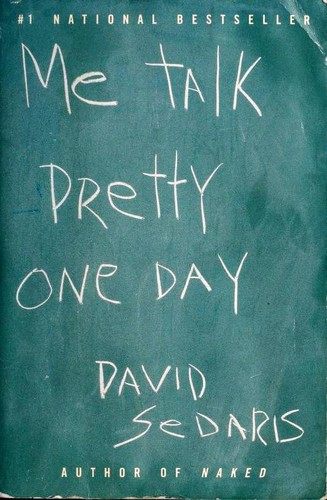
Me Talk Pretty One Day

Me Talk Pretty One Day

David Sedaris · 2000

Sedaris at the height of his powers — the first half set in America (art school, siblings, odd jobs), the second in France attempting to learn the language and failing spectacularly. A masterclass in building a deeply funny, warmly human persona from the raw material of one's own inadequacy.

tone humor storytelling
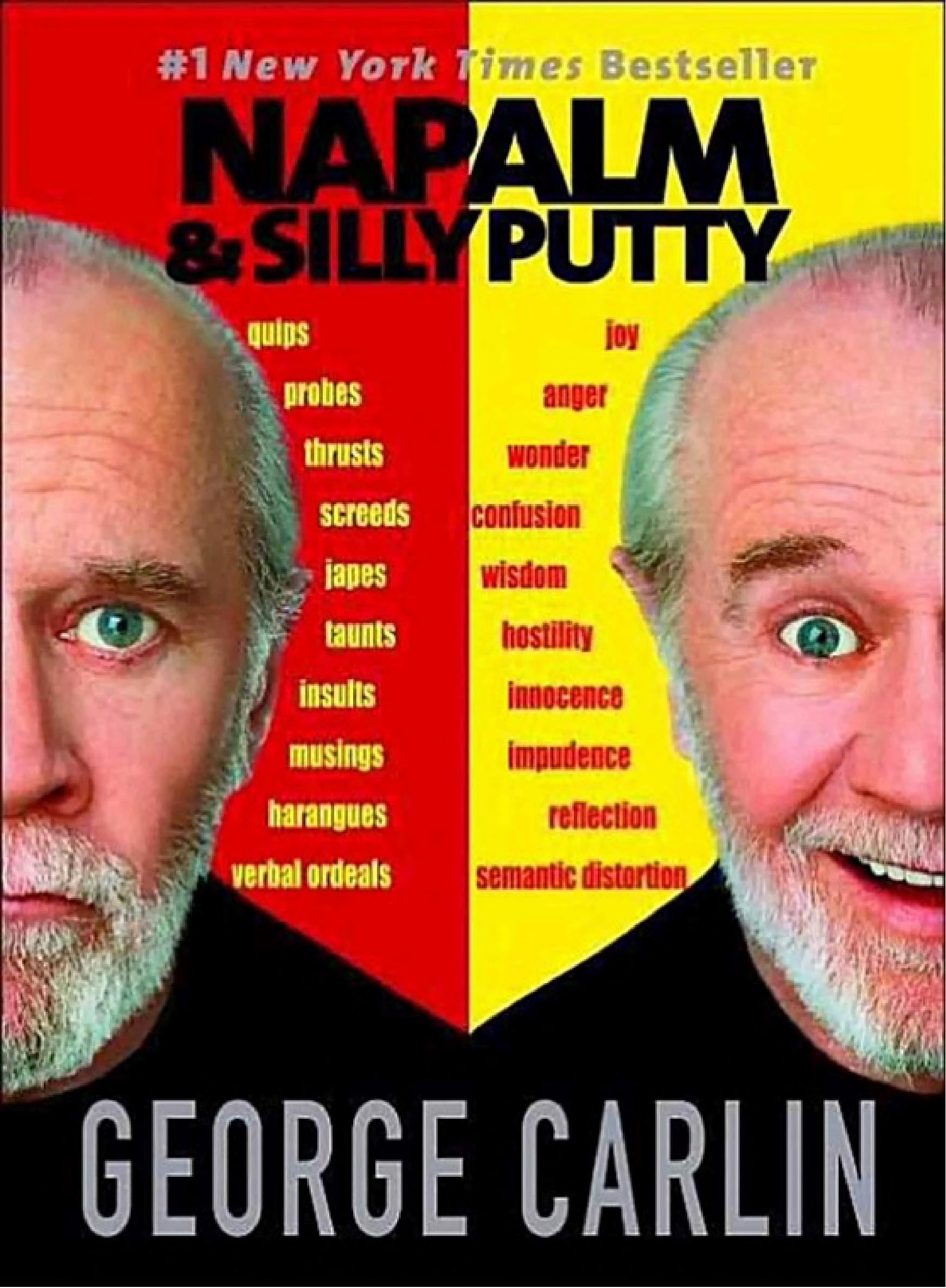
Napalm & Silly Putty

Napalm & Silly Putty

George Carlin · 2001

Carlin's written comedy at full force — short, vicious observations on language, consumer culture, bureaucratic absurdity, and the self-seriousness of people who could use a hard look in the mirror. The page format lets the ideas land harder than the stage versions; nothing is softened.

tone humor cultural context
Zen and the Art of Motorcycle Maintenance

Zen and the Art of Motorcycle Maintenance

Robert M. Pirsig · 1974

A father and son ride motorcycles from Minnesota to California while Pirsig excavates the ruins of his own mind — specifically, a prior self who pursued the concept of 'Quality' to the point of madness. The most influential meditation on craft, attention, and the relationship between the traveler and the machine in American letters.

philosophy tone cultural context knowledge
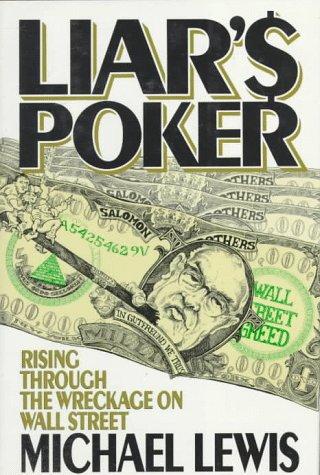
Liar's Poker

Liar's Poker

Michael Lewis · 1989

Michael Lewis's first-person account of his years at Salomon Brothers during the 1980s bond trading boom — a world of staggering excess, ritualized absurdity, and the slow realization that none of it means anything. A masterclass in using financial culture as a lens on human nature.

tone storytelling humor

Connected in the graph

  • theme/craft-and-mastery
  • theme/outdoor-voice
  • theme/trip-report-voice
  • theme/desert-philosophy
Verified 2026-04-15 · Sources: open-library · Confidence: partial