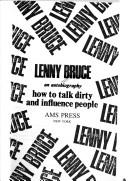
Lenny Bruce's autobiography — part confessional, part comedy manifesto, part indictment of American hypocrisy. Written while he was being prosecuted for obscenity, it reads as both a life story and an argument about what language, truth, and comedy are actually for.
Lenny Bruce was getting prosecuted for obscenity, chased out of clubs, arrested on stage, and generally destroyed by the institutions of 1960s America when he wrote this book. It is part autobiography, part comedy manifesto, and part long argument about what language is actually for. If you want to understand why a specific kind of American comedy — the kind that goes at the throat of the establishment, that refuses to pretty up its vocabulary, that treats honesty as the only subversive position — sounds the way it does, this is the founding document.
The book is messy. Bruce wrote it under pressure, in pieces, and it reads like somebody who knows he doesn't have time for careful transitions. Chapters change tempo without warning. Court transcripts show up next to club anecdotes next to childhood memories next to sustained routines about race and religion that are still, sixty years later, sharper than most comedians would attempt. The messiness is part of the texture. He wasn't writing for posterity. He was writing so somebody would understand.
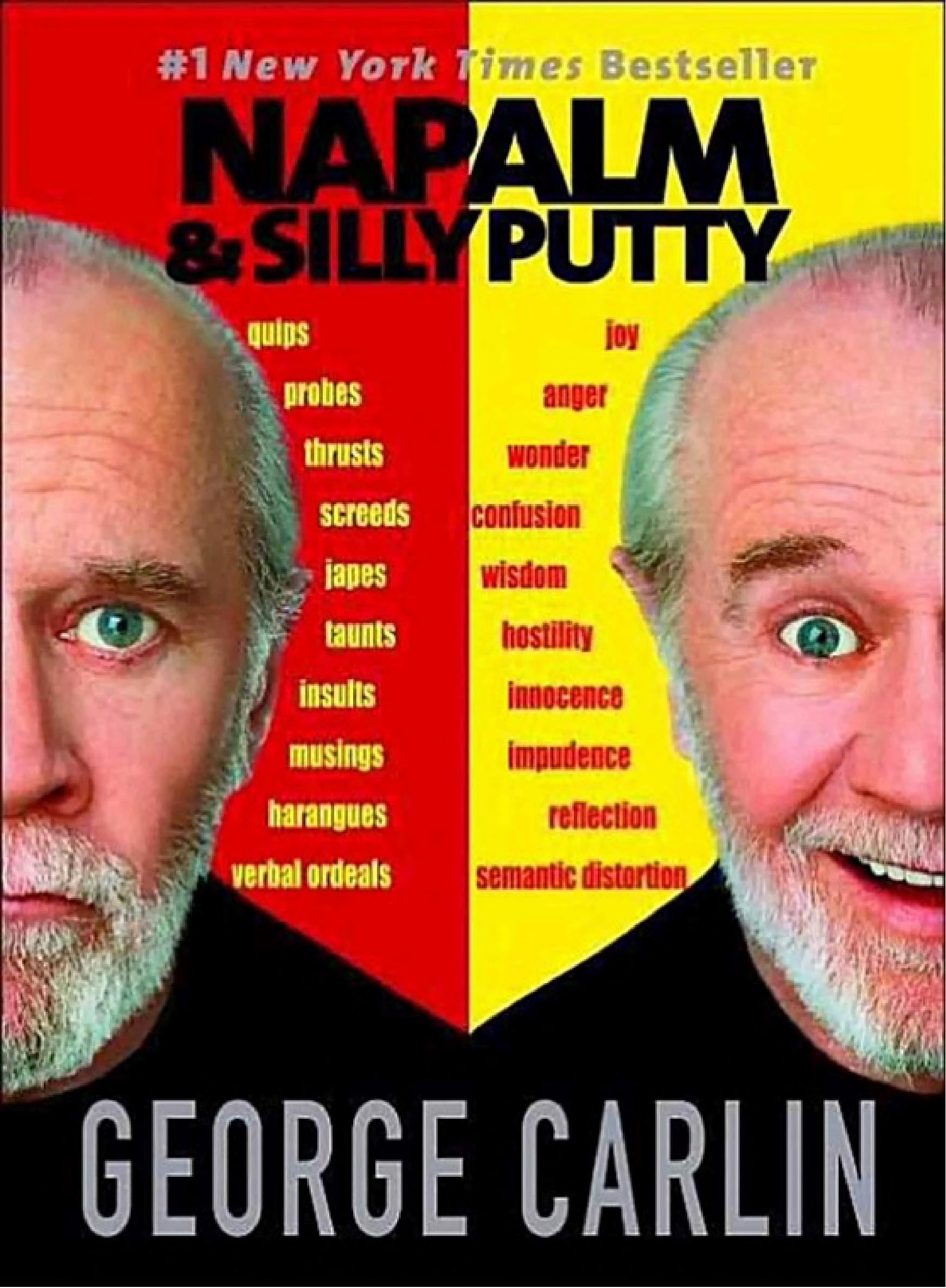
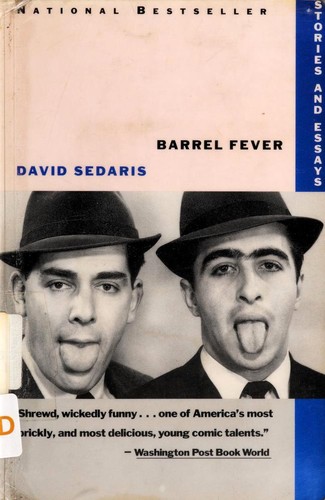
What makes the book worth reading now, and worth having at camp, is that Bruce is the first modern American comedian who understood that the audience is part of the act. Not in the canned-applause sense. In the sense that a joke is a negotiation between the comic and the room, and the room is always mostly cowards, and the comic's job is to make the room laugh at things it thought it wasn't allowed to laugh at. Every comedian since — Carlin, Pryor, Hicks, Sedaris, Macdonald, Chappelle — is working out a problem Bruce formulated first. The lineage is that clear.
I bring this up at the fire when somebody starts a long conversation about free speech and can't get to a useful version of the argument. Bruce is the useful version. He had his life ruined for saying words the Supreme Court later agreed people were allowed to say, and his book lays out, in sentences a comedian would write, why the words matter and why the institutions that criminalize them never stop trying. That argument isn't a period piece. It renews itself every decade.
Read it if you write anything. Read it if you care about language as a working tool. Read it if you've ever gotten in trouble at work for saying something that turned out, in the long run, to have been obviously true. Bruce would recognize you, and the book would say: keep going.