A collection of essays and stories from the legendary Boatman's Quarterly Review publication, documenting the culture, lore, and voices of Grand Canyon river guides.
If you run the Grand Canyon, you've heard these voices. Maybe at a boatman's dinner, maybe on the river, maybe in a bar in Flagstaff. The Boatman's Quarterly Review is the internal publication of the Grand Canyon River Guides, and for a couple of decades now, it's been the closest thing the community has to a collective memoir. An anthology pulled from its pages reads like what it actually is — a transcript of a very particular world, written by the people who live in it.
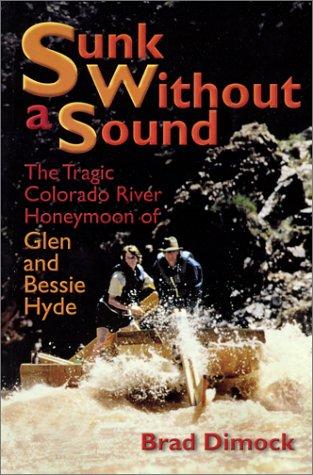
The voices in here are not trying to impress anybody outside the canyon. That's the charm, and also the value. You get first-person river stories, obituaries for guides who died young, gear screeds, campfire theology, histories of rapids that don't exist anymore because somebody rebuilt them with a bulldozer. You get the fight about motors. You get the generational argument about whether the canyon should be run commercially at all. You get long pieces by Brad Dimock and short pieces by people who never published anywhere else and never will. It's unfiltered in the right ways.
I hand pieces from this collection to people before they run the Grand. Not as required reading — more as a way of explaining what the community is actually like, which is not the version you read in magazine profiles. River guides as a culture are weirder, funnier, darker, and more literate than the public telling suggests. Many of them are also the best teachers you'll ever have about a piece of water, and the BQR is the place that's preserved, in written form, what they know.
The book isn't neatly edited. The anthology has the shape of a publication that was assembled over many years by rotating volunteers with no particular interest in making the book a clean artifact. That's fine. It reads the way a drybox full of logs reads — roughly organized, occasionally brilliant, always specific. You don't read it in order. You read it in fragments, and the fragments accumulate into a picture of a river and the people who work it. Some pieces are gems. Others you'll skim. That ratio is correct — it's what a long-running newsletter looks like when it's doing its job, with all-timers sitting next to filler and the discipline of the format letting both kinds get printed.
If you guide the canyon, you already know this book. If you run it privately, this is how you start to understand who's actually teaching you at the takeout, and why.