A Sand County Almanac
A foundational work of conservation ethics whose land ethic strongly influences how people think about wilderness, stewardship, and place.
The last undammed major Colorado tributary — a fierce, permit-only spring window with Warm Springs Rapid at its heart.
Yampa Canyon is the rarest river experience in the desert Southwest: a free-flowing, undammed snowmelt river through one of the most remote corridors in Dinosaur National Monument. The canyon is compact — 46 miles from Deerlodge to Echo Park — but the season is narrow, the permit lottery is brutal, and Warm Springs Rapid is a genuine Class V at spring flows. It earns its reputation in every dimension.
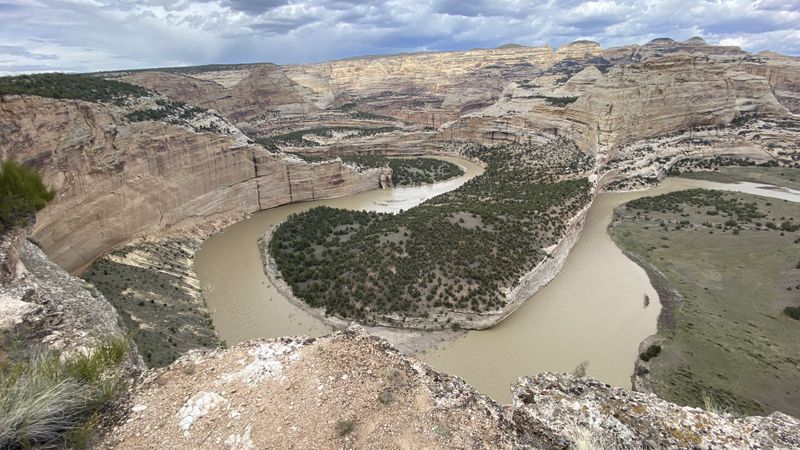
Yampa Canyon is the crown jewel of Dinosaur National Monument — and the only major undammed free-flowing tributary of the Colorado River system. The Yampa runs a narrow seasonal window from mid-April through June, entirely dependent on Rocky Mountain snowmelt from the Elkhead and Park Range mountains. The canyon is compact, dramatic, and demands total commitment: no road access exists once you're inside. Warm Springs Rapid, reconfigured by a 1965 rockslide, is the defining challenge — at high water it is one of the most consequential rapids in the American West. Permits are lottery-based, fiercely competitive, and worth every effort to obtain. The Yampa trip typically finishes at Echo Park, where the river meets the Green River in a setting that was nearly flooded by an Echo Park Dam in the 1950s — a dam whose defeat became a landmark moment in American conservation history.
Snowmelt from the Elk Mountains and Park Range drives the Yampa's entire season. The Maybell gauge is the planning reference — ideal flows run 1,500–5,000 cfs, with Warm Springs escalating from powerful but manageable Class IV to a dangerous Class V above 5,000 cfs. The season typically runs mid-April through mid-June and ends abruptly when snowmelt exhausts.
Primary Yampa River gauge for trip planning on Yampa Canyon through Dinosaur National Monument. Located upstream of the canyon, this gauge reflects snowmelt patterns from the Elkhead and Flat Top Mountains and drives permit applicant decision-making for the narrow runnable season.
Primary planning gauge for Yampa Canyon trips.
The Maybell gauge (USGS 09251000) is located upstream of Deerlodge Park and is the primary planning reference. Warm Springs Rapid character changes dramatically with flow — monitor closely for the week before your launch.
Below 1,500 cfs: Warm Springs becomes rocky and technical; some shallows in flatwater sections. Still fully runnable. Reduced canyon experience.

1,500–5,000 cfs: Classic Yampa character. Warm Springs is a powerful Class IV–V pool-drop with clear lines available. Exceptional canyon travel.

Above 5,000 cfs: Warm Springs becomes one of the most consequential rapids in the region — massive features, serious hydraulics, limited rescue options. Expert groups and properly rigged expedition boats only.

Cold throughout the season — snowmelt water from the Elk Mountains. Wetsuits or drysuits strongly recommended in May. By mid-June water warms but the season is typically ending.

Mid-April through June. Snowmelt-dependent — season typically runs 6–8 weeks and ends when flows drop below 500 cfs.
Technical and rocky at Warm Springs. Slower trip overall. Still valuable.
The best range for most private groups. Warm Springs is powerful but lines are clear.
Warm Springs is severe. Expert paddlers in properly rigged boats only. Portage is always an option.
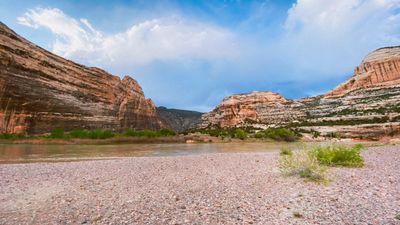
Yampa Canyon cuts through the Uinta Anticline, exposing Pennsylvanian-aged Weber Sandstone in walls that tower 2,500 feet above the river. The canyon is narrow, steep-walled, and geologically among the most dramatic on the Colorado Plateau. The anticline structure itself — a great upward fold of rock — is what forced the Yampa to carve through resistant sandstone rather than flowing around it.
Yampa Canyon cuts through the Uinta Anticline — a major east-west-trending anticlinal structure — exposing Pennsylvanian-aged Weber Sandstone in walls that tower 2,500 feet above the river. The anticline records a major compressional event that uplifted the Uinta Mountains. The canyon is narrow, steep-walled, and represents the river's persistence in cutting through actively rising rock rather than flowing around it. Warm Springs Rapid's 1965 origin from a rockslide is a visible reminder that canyon formation is ongoing.

The Yampa is a living case study in what an undammed desert river ecosystem looks like. Four endemic and federally endangered fish species persist in this watershed: Colorado pikeminnow, humpback chub, razorback sucker, and bonytail. Cold water, periodic flooding, and undisturbed sediment transport processes support food web structures unavailable downstream on dammed reaches.

The proposed Echo Park Dam — which would have flooded the canyon's most spectacular reach — was defeated in 1955 after a national conservation campaign organized partly by David Brower and the Sierra Club. That victory helped define the modern environmental movement and set the precedent for protecting rivers inside national monuments. Mantle Ranch, a working cattle operation within the canyon, represents over a century of non-indigenous occupation.
The Yampa's most significant modern history is the Echo Park Dam fight. In the early 1950s, the Bureau of Reclamation proposed two dams inside Dinosaur National Monument — at Echo Park and Split Mountain — as part of the Colorado River Storage Project. The Sierra Club, David Brower, Wallace Stegner, and many others organized a national campaign to stop the dams, using photographs, film, and writing to build public opposition. Congress voted against the dams in 1955. The victory established the precedent that national monument status provides real protection from development — and set the template for every major American conservation campaign since. The Yampa remains free-flowing as a direct result.

Deerlodge Park is the standard put-in — a rough, remote BLM launch that requires a long dirt road drive from Maybell, CO. Road must be dry. NPS wilderness rules apply throughout. Echo Park is the take-out for Yampa-only trips; groups continuing can float the Green River through Whirlpool Canyon to Split Mountain.
Remote BLM launch requiring a long rough dirt road from Maybell, CO. Road must be dry — rain makes it impassable. NPS permit required. Camping available at Deerlodge.
Echo Park access via 13-mile dirt road from Dinosaur, CO through the monument. Road closes when wet. Confirm conditions with NPS before shuttling. Groups continuing to Split Mountain can float the Green through Whirlpool Canyon.
Shuttle from Deerlodge Park to Echo Park requires backtracking via Maybell, CO and driving south through Dinosaur, CO. Echo Park road is 13 miles of dirt — impassable when wet. Plan extra time and verify conditions.
Highly competitive NPS lottery permit. Applications open January 1–31 for current-year launch dates. Very limited private launch dates — most applicants wait multiple years. Commercial outfitter trips are also available and may be easier to secure. Group size limits and trip length rules apply.
Total wilderness — no road access inside the canyon. All emergencies are remote wilderness situations requiring self-rescue or extended wait for helicopter access. Groups must carry all waste and comply strictly with NPS regulations.
Warm Springs demands whitewater rescue systems, properly rigged boats, helmets, dry bags, and a realistic portage plan. The canyon's total wilderness character requires complete self-sufficiency: satellite communication, expedition medical kit, fire pan, groover, repair systems, and sufficient food for an unplanned extra day. Cold-weather preparedness is mandatory given the May snowmelt season.
Warm Springs requires whitewater-grade rigging, helmets, and a realistic portage plan even if you intend to run it. Cold water demands more insulation than most desert trips. Total wilderness isolation demands a complete self-sufficiency mindset — every system is the last backup.
Non-negotiable for this launch. Rangers may check for several of these at the put-in.
Field-tested picks that earn their place on this trip.
Not essential, but worth the boat space if you have it.
On a seven-day trip, you'll cook roughly 20 meals on a folding table in the sand. The constraint isn't ambition — it's ice management. Days one through three, you have real cooler capacity. Days four and five are the transition zone. Days six and seven are pantry cooking.
The best river cooks plan backward from the last night. If your final dinner is still good — not just edible, but genuinely good — the trip ends on a high.
Night one. Fresh cooler. Cast iron over charcoal. The best steak you'll eat all week.
Marinated at home, grilled in camp. The best taco night on the river.
Real lasagna. Dutch oven. Day 3 of a river trip. It works.
One pot. Canned coconut milk. Twenty-five minutes. The transition meal.
Pizza dough holds for five days. Cast iron and charcoal do the rest.
Every ingredient is shelf-stable. Day 6 dinner that doesn't taste like day 6.
Canned beans. Rice. Cumin. Lime. Whatever's left. The last night done right.
The night-one showstopper. Thick-cut ribeyes seared in a screaming-hot cast iron over charcoal, with halved bell peppers and onions charring on the grate alongside. This is the meal you cook while the cooler is still cold and the group is still clean. Finish with flaky salt and a squeeze of lime. It takes ten minutes and sets the tone for the whole trip.

Salt the steaks before you set up camp — by the time you've rigged the kitchen, they've had their 30 minutes. The cast iron needs to be genuinely smoking before the first steak goes in. If it's windy, position the fire pan so you're shielded and the coals stay hot. In desert heat above 100F, pull steaks from the cooler only 10 minutes ahead — they'll come to temp fast. Keep a spray bottle of water nearby for flare-ups from the dripping fat.
Pre-marinated chicken thighs grilled over charcoal, sliced thin, and piled into warm flour tortillas with crunchy cabbage slaw and crumbled cotija. The marinade does all the work at home — lime, cumin, garlic, and green chile — so in camp you just grill and assemble. This is the meal that makes people stop what they're doing and walk over to the kitchen.

The key to this recipe is the frozen marinade bags. They keep the cooler cold on day 1 and produce perfectly thawed, deeply marinated chicken by day 2. If it's extremely hot (105F+), check the bags on the morning of day 2 — they may thaw faster than expected. Don't skip the towel for the tortillas; they go from warm and pliable to stiff and cracked in two minutes of desert air. If it's windy, the charcoal will burn hot and fast — watch for flare-ups from the marinade dripping.
Proper lasagna built in a 12-inch Dutch oven over charcoal. Layer no-boil noodles, pre-made meat sauce (frozen flat in gallon bags at home), ricotta, and mozzarella. Charcoal on top and bottom, 45 minutes, and you pull out something that shouldn't be possible at a sandbar camp. The meat sauce freezes flat and doubles as an ice pack for the first two days.

The coal ratio is everything. Too many coals on the bottom and you'll scorch it. Roughly 1/3 underneath, 2/3 on top. In windy conditions, position the fire pan in a sheltered spot — wind cools coals unevenly and you'll get hot spots. If you're cooking on sand, clear the area thoroughly first; sand gets everywhere when the wind picks up, and nothing ruins lasagna like grit. Bring a lid lifter or channel-lock pliers — the lid will be 400 degrees. Start the charcoal earlier than you think. Dutch oven cooking always takes longer than expected, and hungry river people get impatient.
A one-pot curry that comes together in 25 minutes on a propane stove. Canned coconut milk, Thai curry paste, and pre-cut vegetables over rice. By night 4, the cooler is thinning out and the pantry starts pulling weight — canned coconut milk and curry paste do all the heavy lifting here. The vegetables just need to be crisp-tender. This is the meal that proves one-pot cooking doesn't have to taste like compromise.

This recipe is almost wind-proof because it's all in a pot with a lid. The propane stove handles it better than charcoal. The key mistake people make is adding all the vegetables at once — carrots need a head start or they'll be raw while the snap peas turn to mush. If you only have one burner, cook the rice first, set it aside covered (it holds heat for 20 minutes), then make the curry. In cold weather (below 50F), the coconut milk may have solidified in the can — it melts fast once heated, but give it an extra minute.
Real pizza made in a cast iron skillet over charcoal. Press pre-made dough into an oiled skillet, top with canned San Marzano sauce, hard salami, olives, and parmesan, then cover and cook over charcoal for 12 minutes. The bottom gets crisp and almost fried in the oil while the lid traps heat to melt the cheese. Make 3-4 pizzas to feed 8. The dough is made at home and keeps 4-5 days in the cooler — this is a day-5 meal built on foresight.

The oil in the skillet is non-negotiable. It prevents sticking and creates the fried-bottom texture that makes this work. Don't skimp. The dough will fight you if it's cold — let it warm up for 10 minutes before pressing. If it springs back, let it rest 5 more minutes. People will crowd the kitchen for pizza night, which is great for morale but means you need a system: one person on dough, one on toppings, one managing coals. Batch cooking takes an hour — serve each pizza as it comes out instead of waiting for all four. In wind, the coals cool quickly between pizzas. Keep extra lit coals ready.
The ultimate pantry meal. Every single ingredient is shelf-stable: canned tomatoes, olives, capers, anchovies, garlic, red pepper flakes, dried pasta. No cooler required. Boil pasta in filtered river water, make the sauce in another pot, combine. Fifteen minutes of active cooking and you have a dinner that tastes like you planned it, not like you ran out of options. This is the recipe that proves the last nights of a trip don't have to be sad.

This is the most reliable recipe in the entire trip menu. Nothing can go wrong with the ingredients — they're all shelf-stable and nearly indestructible. The one thing to watch is the pasta water. At elevation (Desolation Canyon is around 4,500 feet at put-in), water boils at a lower temperature and pasta takes slightly longer to cook. Taste it. On a single-burner stove, boil the pasta first, drain it, then make the sauce in the same pot to save fuel. The olives and capers provide so much salt that you probably won't need to add any to the sauce — taste first.
The last-night staple. Canned black beans seasoned with cumin and lime over rice, topped with whatever survives the trip — cheese rinds, crisped tortilla strips, pickled jalapeños, hot sauce. This is the meal that asks nothing of the cooler and everything of the pantry. It's cheap, fast, filling, and the toppings make it feel like a real dinner instead of a concession. Every trip ends here, and nobody complains.

This meal is intentionally designed to absorb scraps. Take inventory of the cooler and dry boxes before you start — whatever is left becomes a topping. Cheese rinds that would be trash at home become crispy bits when grated and scattered over hot beans. Stale tortillas become croutons when fried. The cumin and lime do the real work; without them, it's just beans and rice. With them, it tastes intentional. On cold last nights, this warm bowl is exactly what people want before the takeout drive home. If you have a second burner, heat the beans and cook rice simultaneously. Single-burner: cook rice first, set aside, then do the beans.
Two coolers, segregated by access frequency. A well-managed deep cooler will hold usable ice through day 6 in 100°F air temps.
Learn about ice managementFolding table, two-burner propane stove, cast iron skillet, Dutch oven, and a large pot. The Dutch oven is the single most versatile piece.
Learn about kitchen setupBooks that shape the science, history, and stories behind this place.
A foundational work of conservation ethics whose land ethic strongly influences how people think about wilderness, stewardship, and place.
A foundational book on Western water development, dams, irrigation politics, and the long struggle over the Colorado River and the arid American West.
Edward Abbey's classic portrait of canyon country, solitude, and wilderness, influential to the identity and mythology of the Colorado Plateau.
The dramatic story of John Wesley Powell's first expedition through the Grand Canyon and the birth of river exploration in the American West.
A geological exploration of Utah’s major river systems explaining how tectonics, sedimentation, and erosion shaped the canyon landscapes of the Colorado Plateau and surrounding regions.
A guide to understanding the subtle clues in water movement—from puddles and rivers to oceans—teaching readers how currents, waves, surface textures, and patterns reveal information about wind, depth, obstacles, and landscape.
A river-running memoir by Roy Webb capturing the spirit, humor, and culture of Western river expeditions and the people who chase moving water through canyon country.
A comprehensive guidebook to whitewater rivers in Utah and neighboring regions, covering river access, rapids, flow considerations, trip logistics, and historical context for river runners.
Three deeply reported narratives about humanity's attempts to stop rivers, lava, and debris flows — and what the land does in return. A masterwork of geological journalism that asks whether nature can ever truly be controlled.
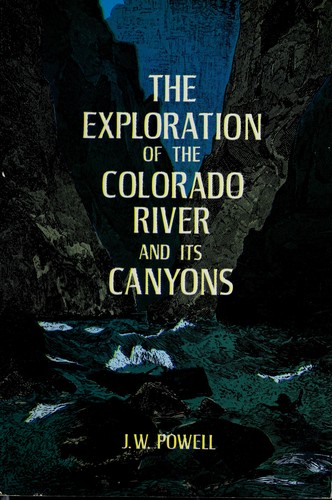
Powell's original account of the first scientific expedition through the Grand Canyon, documenting the geology, natural history, and challenges of navigating the unknown Colorado River.
A historical portrait of the ranching and outlaw culture of Browns Park and the remote canyons of the Colorado Plateau, illuminating how geography shaped the final stronghold of the old frontier.