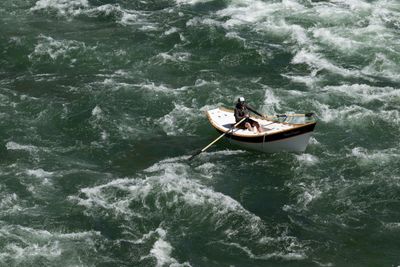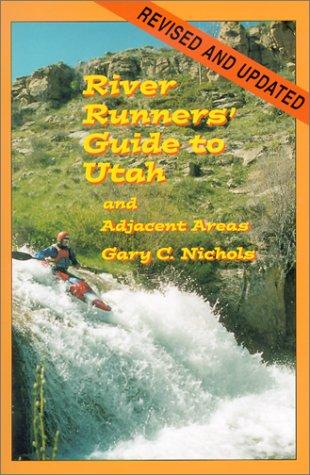
River Runners' Guide to Utah and Adjacent Areas
A comprehensive guidebook to whitewater rivers in Utah and neighboring regions, covering river access, rapids, flow considerations, trip logistics, and historical context for river runners.
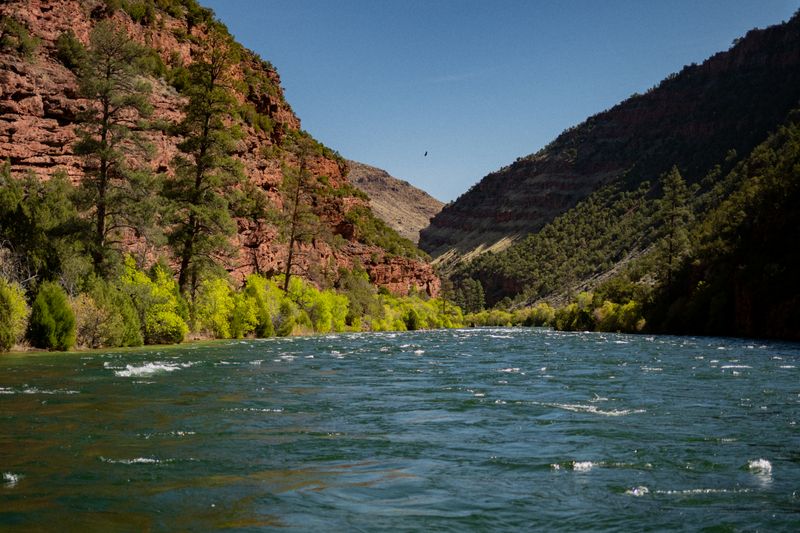
Seven miles of cold, clear tailwater through Red Canyon below Flaming Gorge Dam — extraordinary geology, world-class trout fishing, and one of the most scenic short floats on the upper Green River.
The Flaming Gorge section runs the short, cold, jewel-green tailwater below Flaming Gorge Dam through Red Canyon — one of the most visually dramatic river corridors in the American West. Dam releases carve the Green River through 1,400-foot walls of Uinta Mountain quartzite and red sandstone, creating a corridor of year-round cold water, excellent trout fishing, and cottonwood terraces that few river travelers ever see from the water. At 7 miles, this is not an expedition — it's a half-day float with outsized scenery. The power of regulated flow and the geology of an ancient mountain range make this one of the finest short runs on the upper Green.
Dam-regulated, cold year-round. Check Greendale gauge. Flows vary daily with power generation. Dress for cold-water immersion in all seasons.
Historical Green River gauge above Flaming Gorge reservoir area. Primary reference for Gates of Lodore trip planning when used in context with current downstream releases.
USGS #09234500Below 800 cfs: pleasant flatwater float; some riffles exposed; good for fishing.
800–3,000 cfs: classic tailwater character; riffles become more defined; good current.
Above 3,000 cfs: pushy with faster current; eddies require more attention; cold-water immersion risk elevated.
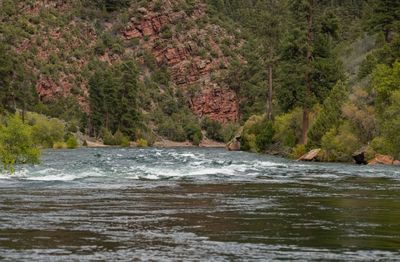
Cold year-round — 40–50°F from deep dam releases. Drysuits or wetsuits strongly recommended in all seasons.
Comfortable float with good riffles and manageable current.
Fast and cold. Dress for immersion. Experienced paddlers.
Year-round due to dam regulation. Cold water year-round from deep dam releases.
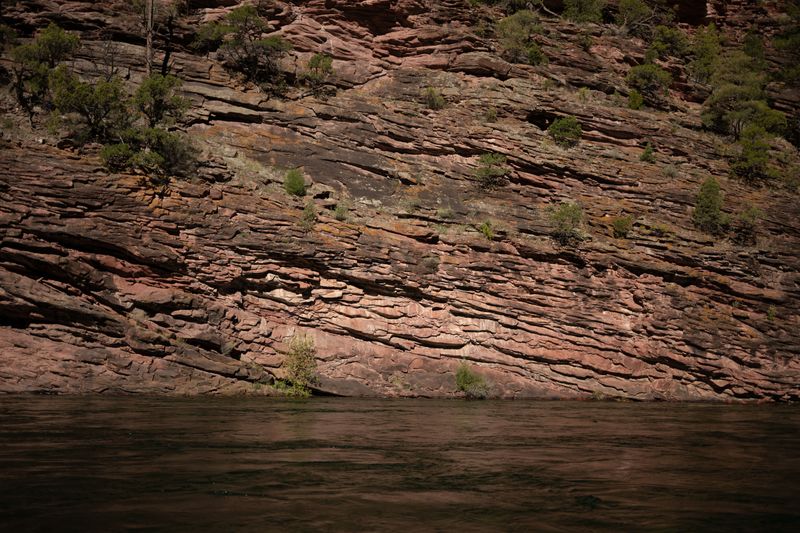
↑ Rim
↓ River level
John Wesley Powell named 'Flaming Gorge' during his 1869 expedition when the red canyon walls glowed at sunset. The dam was completed in 1964, transforming this section from a free-flowing mountain river to a regulated tailwater fishery.
Short paved shuttle. No permit required. Dutch John for services. Day trip or half-day float.
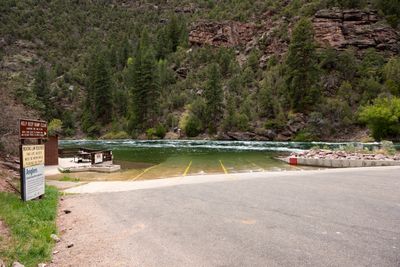
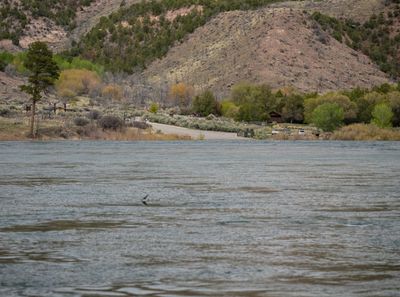
Spillway Boat Launch to Little Hole
Google used a car, their times do not account for towing a trailer, driving on washboard, pitted pavement, and dirt that goes to grease in the rain — our adjusted times help align to the reality of running real river shuttles.
No permit required for the float. Boating regulations apply within Flaming Gorge National Recreation Area. Anglers need Utah fishing license.
Day-use area. No overnight camping between dam and Little Hole without permit.
On a seven-day trip, you'll cook roughly 20 meals on a folding table in the sand. The constraint isn't ambition — it's ice management. Days one through three, you have real cooler capacity. Days four and five are the transition zone. Days six and seven are pantry cooking.
The best river cooks plan backward from the last night. If your final dinner is still good — not just edible, but genuinely good — the trip ends on a high.
Two coolers, segregated by access frequency. A well-managed deep cooler will hold usable ice through day 6 in 100°F air temps.
Folding table, two-burner propane stove, cast iron skillet, Dutch oven, and a large pot. The Dutch oven is the single most versatile piece.
Books that shape the science, history, and stories behind this place.
A comprehensive guidebook to whitewater rivers in Utah and neighboring regions, covering river access, rapids, flow considerations, trip logistics, and historical context for river runners.
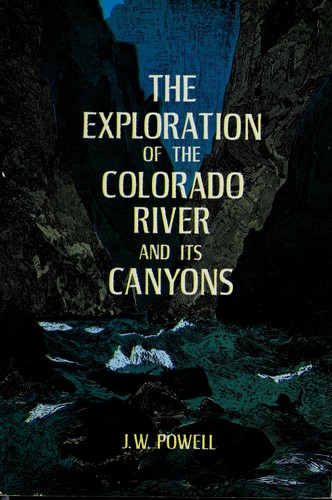
Powell's original account of the first scientific expedition through the Grand Canyon, documenting the geology, natural history, and challenges of navigating the unknown Colorado River.