Green River
The Green is the Colorado's longest tributary — 730 miles from Wyoming's Wind River Range through canyon gorges, wilderness flatwater, and the Confluence in Canyonlands. · WY · CO · UT
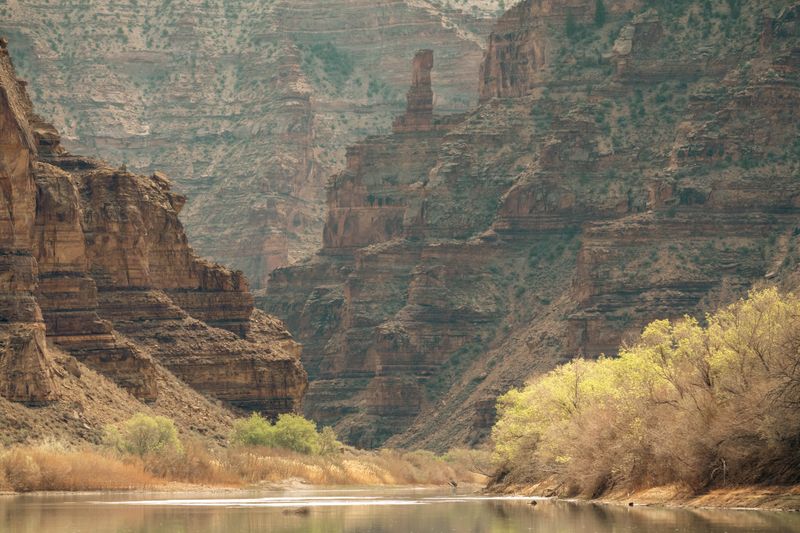
The Green River is the longest tributary of the Colorado River and the primary feeder of the Colorado Plateau’s canyon system — 730 miles from its headwaters in the Wind River Range of Wyoming to the Confluence in Canyonlands National Park. More than any other river in the American West, the Green defines what a desert river journey means: long days on wide, quiet water between walls of Navajo and Wingate sandstone, broken by canyon gorges that arrive without warning and demand full commitment. Canyon of Lodore, with its pool-drop whitewater and sheer Precambrian walls, is the fierce northern chapter. Desolation Canyon — 97 miles without a road crossing — is the longest wilderness river canyon in the Lower 48. Labyrinth and Stillwater are the quiet final miles, where the river slows to a canyon lake, and the water moves with the certainty of something that has always known where it was going. Partially regulated by Flaming Gorge Dam since 1964, the Green retains more free-flowing character than the Colorado, and its seasonal windows, permit logistics, and canyon character are the heart of Desert Maritime’s river intelligence.
Green River Sections
-
A Section
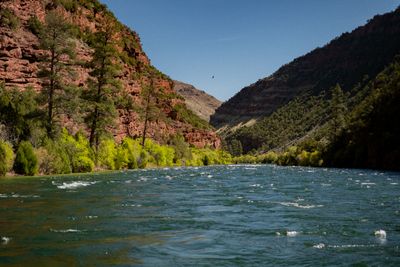
7 mi Seven miles of cold, clear tailwater through Red Canyon below Flaming Gorge Dam — extraordinary... -
B Section
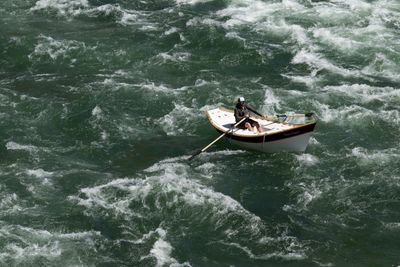
9 mi Nine miles of dam-regulated tailwater from Little Hole to Indian Crossing — the transition reach... -
Swallow Canyon
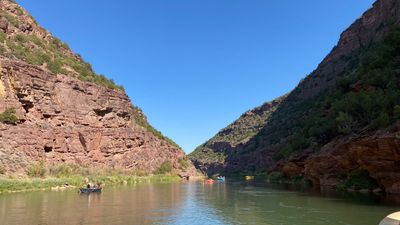
10.8 mi Swallow Canyon is a cold, clear, and accessible float below Flaming Gorge Dam — regulated flows,... -
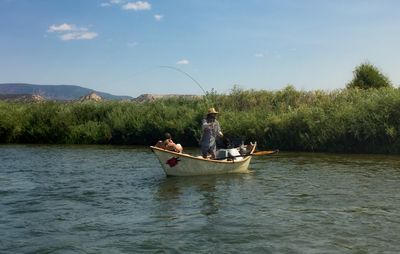
Browns Park
18 mi A quiet, wildlife-rich valley float through outlaw country — Browns Park delivers 35 miles of easy... -
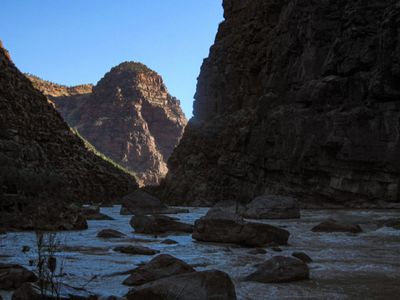
Lodore Canyon
18.7 mi Lodore compresses everything that matters about western river running into seventeen miles. The... -
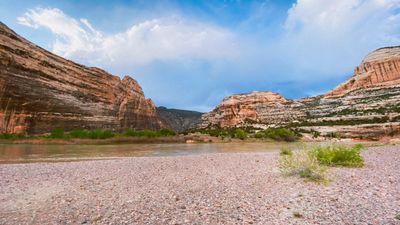
Echo Park
2.5 mi Two and a half miles from the Yampa confluence to the head of Whirlpool Canyon — the junction of the... -
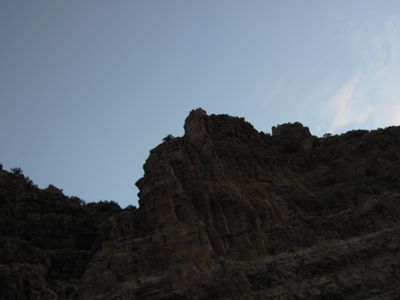
Whirlpool Canyon
8.4 mi Whirlpool Canyon is the middle chapter of the Dinosaur river system — 8.4 miles of Class III... -
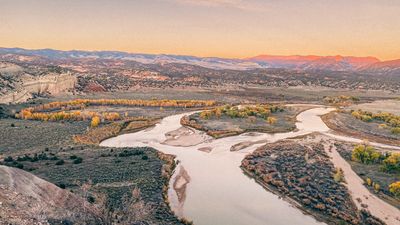
Island Park
4.6 mi Four and a half miles of broad, island-dotted valley below Whirlpool Canyon — the open landscape... -
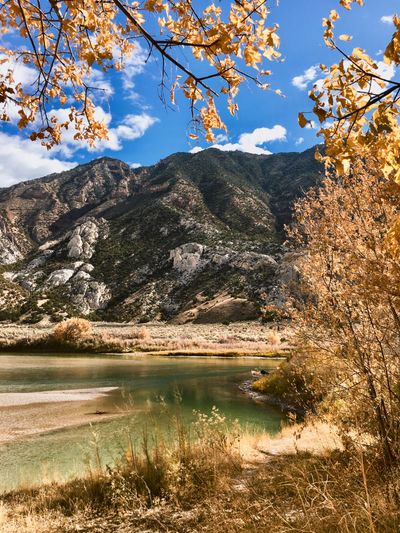
Rainbow Park
1.7 mi Rainbow Park is a brief cottonwood bench between Island Park and Split Mountain — 1.7 miles of... -
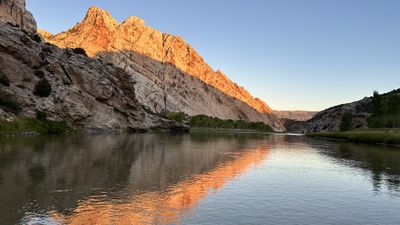
Split Mountain
8.3 mi Split Mountain is the Green River's most concentrated whitewater — 9 miles punching through a... -
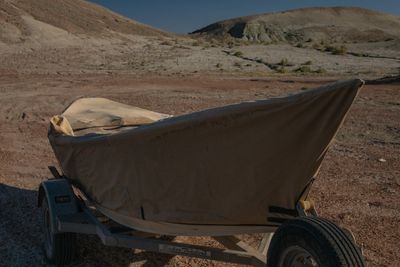
Uinta Basin
100 mi About 100 miles of slow, open-country flatwater between Dinosaur National Monument and Sand Wash —... -
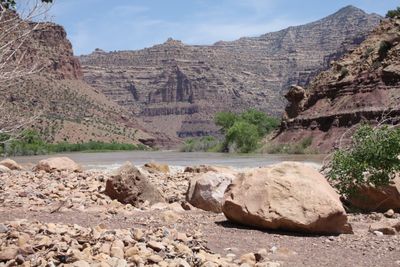
Desolation Canyon
58.1 mi Desolation is less about the rapids than about the accumulation of days inside something enormous.... -
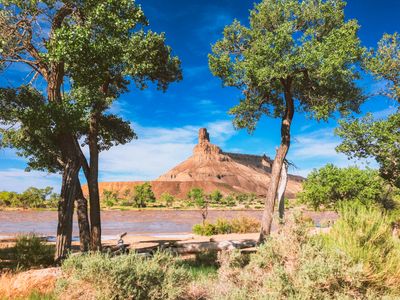
Gray Canyon
26.7 mi Gray Canyon is the whitewater-dense lower chapter of the Desolation-Gray run — 27 miles of Class... -
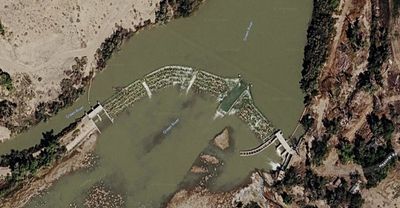
Green River Valley
10.7 mi Ten miles of flatwater through the broad valley of Green River, Utah — the connecting reach between... -
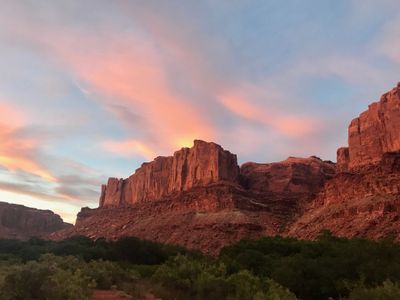
Labyrinth Canyon
68 mi Labyrinth is the Green River's argument that a canyon doesn't need rapids to be serious. Sixty-eight... -
Stillwater Canyon
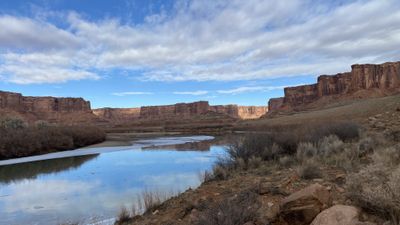
54 mi Stillwater Canyon is the Green River's most remote flatwater journey — 52 miles of deep, quiet water...
partially regulated — Flaming Gorge Dam (1964) controls the upper reach; below Jensen, UT the river flows without further major dams to the Confluence
Green River near Greendale, UT
USGS #09234500Current flow — Green River near Greendale, UT
USGSGreen River at Jensen, UT
USGS #09261000Current flow — Green River at Jensen, UT
USGSGreen River at Green River, UT
USGS #09315000Current flow — Green River at Green River, UT
USGSThe Green has distinct seasonal windows by section. Canyon of Lodore and Split Mountain are regulated by Flaming Gorge Dam and run May–June for peak flows; July–August is possible but hot and crowded. Desolation and Gray Canyons are best May–September with peak character in May–June runoff; the canoe-paddle sections (Labyrinth, Stillwater) are best April–October with peak weather in May and September–October. Summer heat in the lower canyon sections (Labyrinth/Stillwater) can exceed 105°F. Fall is superb throughout — lower flows, warm days, near-total solitude.
Reading the Rock Record
Rock sequence of Green River
↑ Rim
- Green River Formation
- Mancos Shale
- Navajo Sandstone
- Wingate Sandstone
- Weber Sandstone
- Morgan Formation
- Uinta Mountain Group
↓ River level
The Green River is critical habitat for all four federally listed endangered native Colorado River fish. The stretch from Flaming Gorge Dam to the Confluence is subject to active recovery programs coordinating releases, flow management, and habitat restoration. The cold, clear tailwater below Flaming Gorge Dam contrasts sharply with the warmer, silty flow that native fish evolved in — dam operations represent an ongoing tradeoff between the reservoir sport fishery and native species recovery downstream.
Notable Expeditions
- Powell Green River Expedition
- Powell Second Expedition
- Ashley Fur Trade Expedition