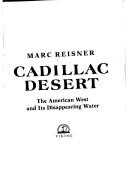
Cadillac Desert
A foundational book on Western water development, dams, irrigation politics, and the long struggle over the Colorado River and the arid American West.
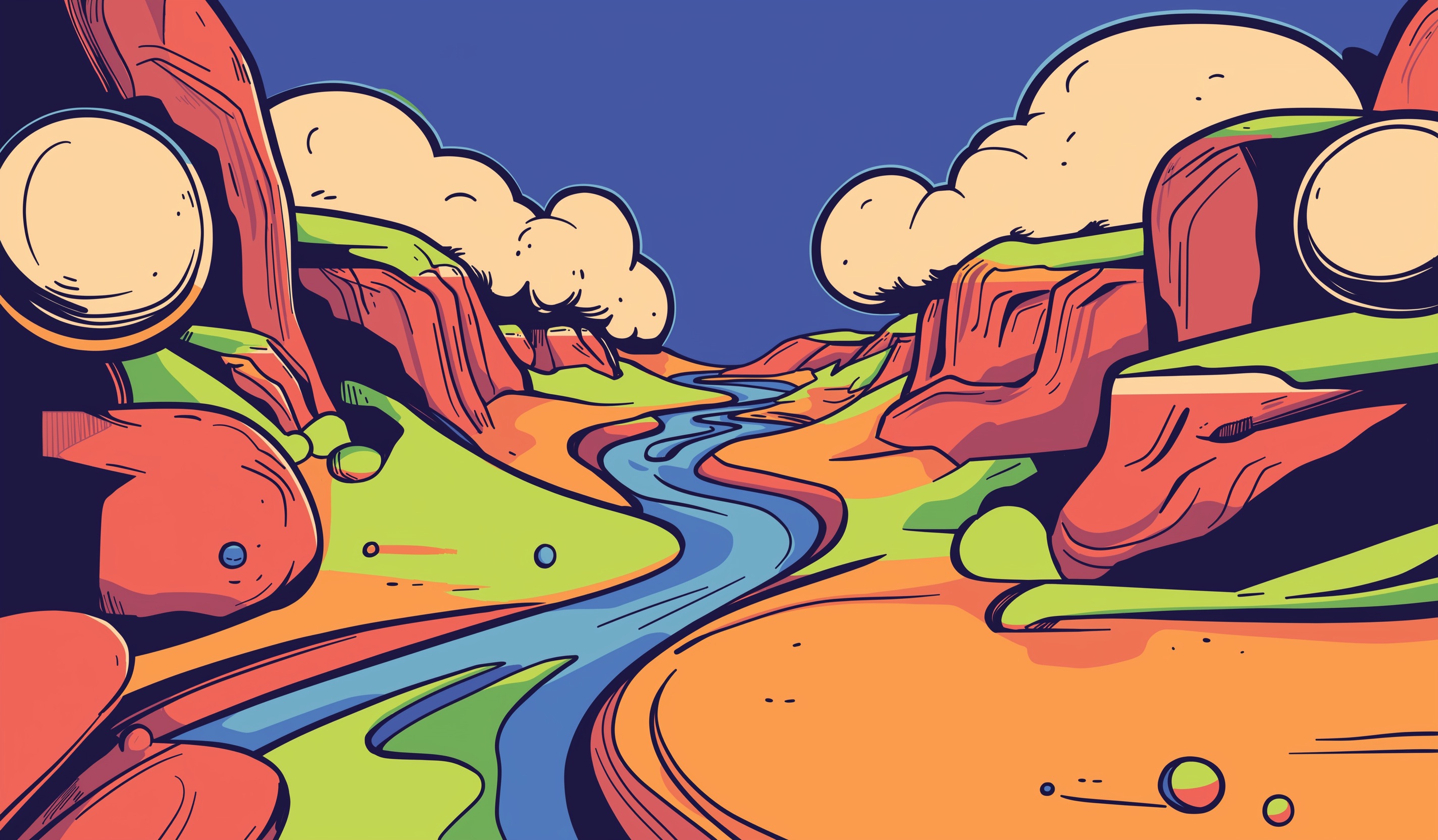
Glen Canyon, Colorado River.
Glen Canyon is the drowned canyon — 186 miles of labyrinthine sandstone corridor flooded by Glen Canyon Dam in 1966 and now navigated as Lake Powell reservoir, with a 15-mile tailwater stretch below the dam serving as the staging ground for Grand Canyon trips.
Glen Canyon is a drowned river corridor — approximately 186 miles of what was once the most beautiful canyon on the Colorado River, flooded in 1966 by Glen Canyon Dam and now submerged beneath Lake Powell reservoir. What remains above the waterline represents only a fraction of a labyrinth of side canyons, natural arches, and Ancestral Puebloan ruins that Edward Abbey and other chroniclers documented before the waters rose. The section is accessible today as a reservoir experience by motorboat or houseboat from marinas including Halls Crossing, Bullfrog, and Wahweap — and the tailwater below the dam, between the dam and Lees Ferry, remains a cold, clear, 15-mile stretch of river prized for trout fishing and as the staging ground for Grand Canyon trips.
The Lees Ferry gauge tracks dam releases governing the tailwater; reservoir pool elevation — tracked separately by the Bureau of Reclamation — has declined dramatically since 2000 and continues to fluctuate with drought conditions.
The essential Grand Canyon planning gauge. Located at the historical put-in for Grand Canyon river trips, this gauge reflects Glen Canyon Dam release data and is the primary operational reference for all Grand Canyon river section planning.
The Lees Ferry gauge measures dam releases from Glen Canyon Dam, which is the controlling factor for the tailwater section. Reservoir level is tracked separately by Bureau of Reclamation via pool elevation monitoring.
Low dam releases (below 8,000 cfs) create slower, calmer tailwater conditions — excellent for trout fishing.
Standard dam releases of 8,000–14,000 cfs produce good current in the tailwater reach and typical staging conditions for Grand Canyon launches.
High dam releases above 20,000 cfs represent flood control operations — rare but dramatically change tailwater character.
Reservoir level varies seasonally and by drought conditions — check NPS/BOR updates for current pool elevation
Glen Canyon was carved through the massive Navajo Sandstone — the same eolian (wind-deposited) formation that creates the slickrock domes and arches of southern Utah. The submerged canyon system contained hundreds of alcoves, natural bridges, and side canyon tributaries that rivaled or exceeded in beauty many of the canyon country features protected in national parks today. Declining lake levels since the early 2000s have re-exposed significant portions of the original canyon walls and some archaeological sites.
Glen Canyon was carved through the massive Navajo Sandstone — the same eolian (wind-deposited) formation that creates the slickrock domes and arches of southern Utah. The submerged canyon system contained hundreds of alcoves, natural bridges, and side canyon tributaries that rivaled or exceeded in beauty many of the canyon country features protected in national parks today. Declining lake levels since the early 2000s have re-exposed significant portions of the original canyon walls and some archaeological sites.
Glen Canyon was flooded between 1963 and 1980 as Lake Powell filled behind Glen Canyon Dam — a decision that became one of the most contested environmental controversies in American history. John Wesley Powell explored the canyon in 1869 and named many of its features; Edward Abbey's writing and the Sierra Club's campaign to stop the dam made Glen Canyon a symbol of what was lost to industrial water development in the American West. Rainbow Bridge National Monument — the largest natural bridge in the world — sits within the former canyon and is now accessible by boat when reservoir levels permit.
No river permit required; access via NPS-managed marinas throughout the Glen Canyon NRA; houseboat and motorboat rentals available through Aramark at Wahweap and Bullfrog.
Glen Canyon Dam marks the upstream end of the 15-mile tailwater reach that ends at Lees Ferry. Not a road-accessible launch in the traditional sense — commercial float trips on the tailwater launch from a guided shuttle that drops boats below the dam; private paddlers typically put in at Lees Ferry and paddle upstream toward the dam rather than shuttling from the dam itself.
Lees Ferry is accessed via US-89A and Lees Ferry Road from Page, AZ or Marble Canyon, AZ. Paved road to the ramp. Permit check-in required here. The only developed river access between Glen Canyon Dam and Diamond Creek.
Access varies by marina. Halls Crossing and Bullfrog on the Utah side, Wahweap and Antelope Point near Page, AZ. No continuous river shuttle is applicable — reservoir navigation by motorboat or houseboat.
No river-use permit required for reservoir recreation. Standard NPS entrance fee applies. Houseboats and larger vessels require reservations through concessionaire Aramark. The tailwater stretch from the dam to Lees Ferry has limited access — contact NPS Glen Canyon for current conditions.
On a seven-day trip, you'll cook roughly 20 meals on a folding table in the sand. The constraint isn't ambition — it's ice management. Days one through three, you have real cooler capacity. Days four and five are the transition zone. Days six and seven are pantry cooking.
The best river cooks plan backward from the last night. If your final dinner is still good — not just edible, but genuinely good — the trip ends on a high.
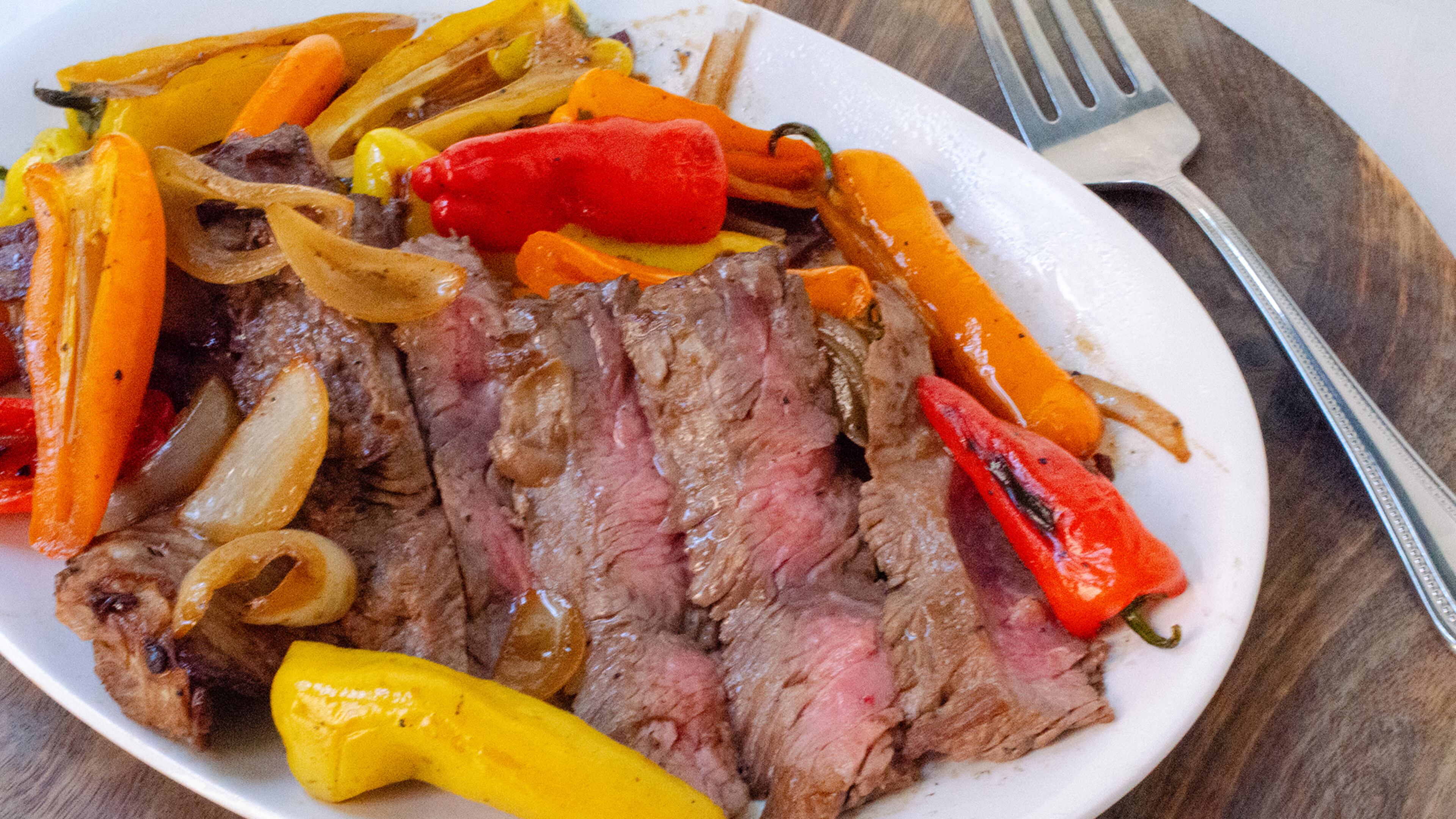
Night one. Fresh cooler. Cast iron over charcoal. The best steak you'll eat all week.

Marinated at home, grilled in camp. The best taco night on the river.
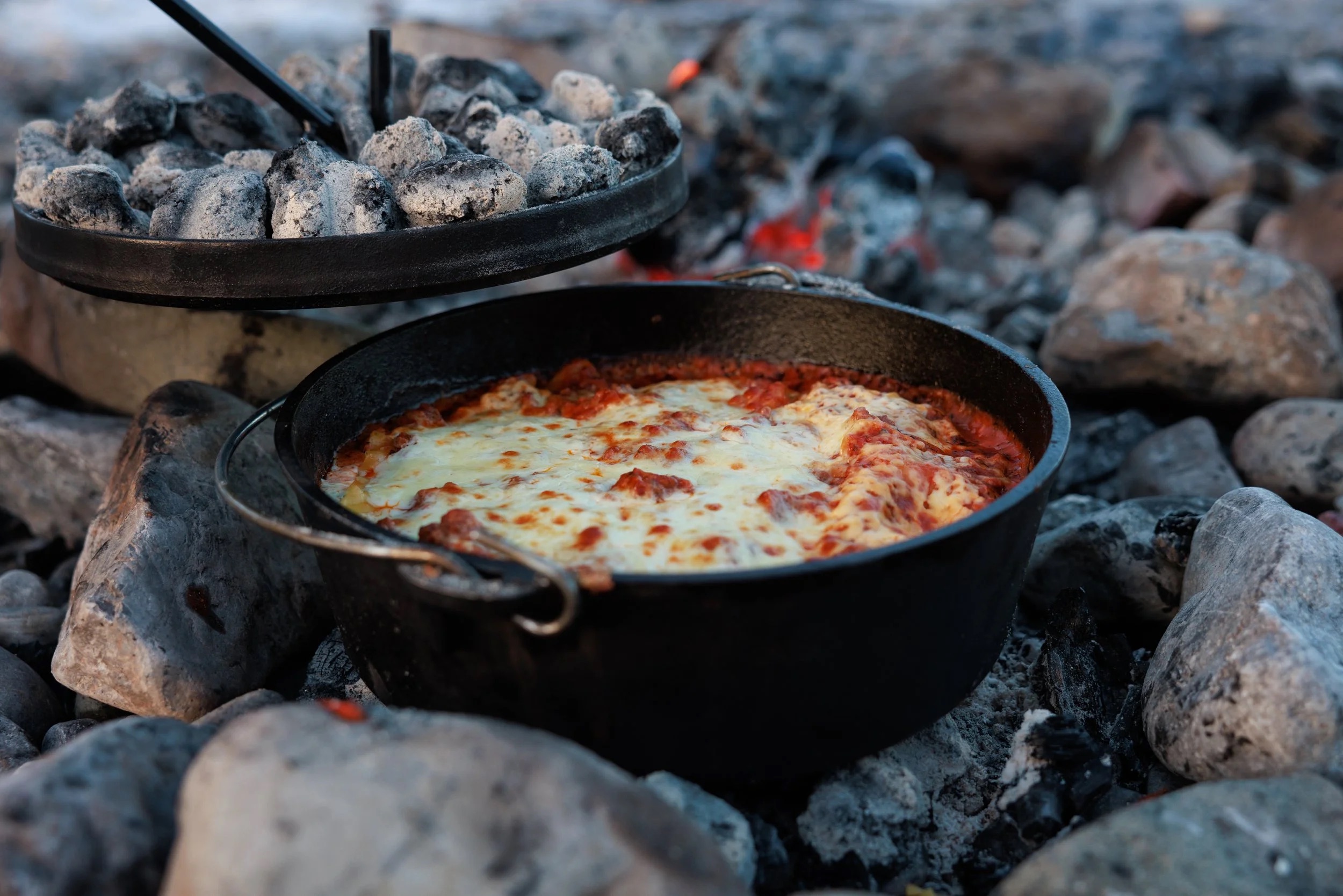
Real lasagna. Dutch oven. Day 3 of a river trip. It works.

One pot. Canned coconut milk. Twenty-five minutes. The transition meal.

Pizza dough holds for five days. Cast iron and charcoal do the rest.

Every ingredient is shelf-stable. Day 6 dinner that doesn't taste like day 6.

Canned beans. Rice. Cumin. Lime. Whatever's left. The last night done right.
The night-one showstopper. Thick-cut ribeyes seared in a screaming-hot cast iron over charcoal, with halved bell peppers and onions charring on the grate alongside. This is the meal you cook while the cooler is still cold and the group is still clean. Finish with flaky salt and a squeeze of lime. It takes ten minutes and sets the tone for the whole trip.
Salt the steaks before you set up camp — by the time you've rigged the kitchen, they've had their 30 minutes. The cast iron needs to be genuinely smoking before the first steak goes in. If it's windy, position the fire pan so you're shielded and the coals stay hot. In desert heat above 100F, pull steaks from the cooler only 10 minutes ahead — they'll come to temp fast. Keep a spray bottle of water nearby for flare-ups from the dripping fat.
Pre-marinated chicken thighs grilled over charcoal, sliced thin, and piled into warm flour tortillas with crunchy cabbage slaw and crumbled cotija. The marinade does all the work at home — lime, cumin, garlic, and green chile — so in camp you just grill and assemble. This is the meal that makes people stop what they're doing and walk over to the kitchen.
The key to this recipe is the frozen marinade bags. They keep the cooler cold on day 1 and produce perfectly thawed, deeply marinated chicken by day 2. If it's extremely hot (105F+), check the bags on the morning of day 2 — they may thaw faster than expected. Don't skip the towel for the tortillas; they go from warm and pliable to stiff and cracked in two minutes of desert air. If it's windy, the charcoal will burn hot and fast — watch for flare-ups from the marinade dripping.
Proper lasagna built in a 12-inch Dutch oven over charcoal. Layer no-boil noodles, pre-made meat sauce (frozen flat in gallon bags at home), ricotta, and mozzarella. Charcoal on top and bottom, 45 minutes, and you pull out something that shouldn't be possible at a sandbar camp. The meat sauce freezes flat and doubles as an ice pack for the first two days.
The coal ratio is everything. Too many coals on the bottom and you'll scorch it. Roughly 1/3 underneath, 2/3 on top. In windy conditions, position the fire pan in a sheltered spot — wind cools coals unevenly and you'll get hot spots. If you're cooking on sand, clear the area thoroughly first; sand gets everywhere when the wind picks up, and nothing ruins lasagna like grit. Bring a lid lifter or channel-lock pliers — the lid will be 400 degrees. Start the charcoal earlier than you think. Dutch oven cooking always takes longer than expected, and hungry river people get impatient.
A one-pot curry that comes together in 25 minutes on a propane stove. Canned coconut milk, Thai curry paste, and pre-cut vegetables over rice. By night 4, the cooler is thinning out and the pantry starts pulling weight — canned coconut milk and curry paste do all the heavy lifting here. The vegetables just need to be crisp-tender. This is the meal that proves one-pot cooking doesn't have to taste like compromise.
This recipe is almost wind-proof because it's all in a pot with a lid. The propane stove handles it better than charcoal. The key mistake people make is adding all the vegetables at once — carrots need a head start or they'll be raw while the snap peas turn to mush. If you only have one burner, cook the rice first, set it aside covered (it holds heat for 20 minutes), then make the curry. In cold weather (below 50F), the coconut milk may have solidified in the can — it melts fast once heated, but give it an extra minute.
Real pizza made in a cast iron skillet over charcoal. Press pre-made dough into an oiled skillet, top with canned San Marzano sauce, hard salami, olives, and parmesan, then cover and cook over charcoal for 12 minutes. The bottom gets crisp and almost fried in the oil while the lid traps heat to melt the cheese. Make 3-4 pizzas to feed 8. The dough is made at home and keeps 4-5 days in the cooler — this is a day-5 meal built on foresight.
The oil in the skillet is non-negotiable. It prevents sticking and creates the fried-bottom texture that makes this work. Don't skimp. The dough will fight you if it's cold — let it warm up for 10 minutes before pressing. If it springs back, let it rest 5 more minutes. People will crowd the kitchen for pizza night, which is great for morale but means you need a system: one person on dough, one on toppings, one managing coals. Batch cooking takes an hour — serve each pizza as it comes out instead of waiting for all four. In wind, the coals cool quickly between pizzas. Keep extra lit coals ready.
The ultimate pantry meal. Every single ingredient is shelf-stable: canned tomatoes, olives, capers, anchovies, garlic, red pepper flakes, dried pasta. No cooler required. Boil pasta in filtered river water, make the sauce in another pot, combine. Fifteen minutes of active cooking and you have a dinner that tastes like you planned it, not like you ran out of options. This is the recipe that proves the last nights of a trip don't have to be sad.
This is the most reliable recipe in the entire trip menu. Nothing can go wrong with the ingredients — they're all shelf-stable and nearly indestructible. The one thing to watch is the pasta water. At elevation (Desolation Canyon is around 4,500 feet at put-in), water boils at a lower temperature and pasta takes slightly longer to cook. Taste it. On a single-burner stove, boil the pasta first, drain it, then make the sauce in the same pot to save fuel. The olives and capers provide so much salt that you probably won't need to add any to the sauce — taste first.
The last-night staple. Canned black beans seasoned with cumin and lime over rice, topped with whatever survives the trip — cheese rinds, crisped tortilla strips, pickled jalapeños, hot sauce. This is the meal that asks nothing of the cooler and everything of the pantry. It's cheap, fast, filling, and the toppings make it feel like a real dinner instead of a concession. Every trip ends here, and nobody complains.
This meal is intentionally designed to absorb scraps. Take inventory of the cooler and dry boxes before you start — whatever is left becomes a topping. Cheese rinds that would be trash at home become crispy bits when grated and scattered over hot beans. Stale tortillas become croutons when fried. The cumin and lime do the real work; without them, it's just beans and rice. With them, it tastes intentional. On cold last nights, this warm bowl is exactly what people want before the takeout drive home. If you have a second burner, heat the beans and cook rice simultaneously. Single-burner: cook rice first, set aside, then do the beans.
Two coolers, segregated by access frequency. A well-managed deep cooler will hold usable ice through day 6 in 100°F air temps.
Learn about ice managementFolding table, two-burner propane stove, cast iron skillet, Dutch oven, and a large pot. The Dutch oven is the single most versatile piece.
Learn about kitchen setupBooks that shape the science, history, and stories behind this place.
A foundational book on Western water development, dams, irrigation politics, and the long struggle over the Colorado River and the arid American West.
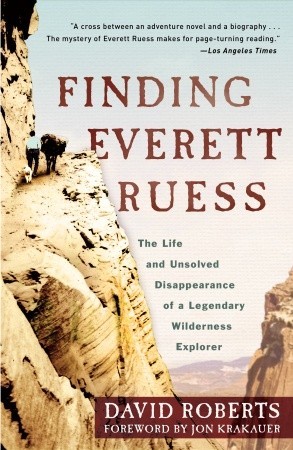
The story of Everett Ruess, whose disappearance in canyon country became one of the most compelling legends of desert exploration.
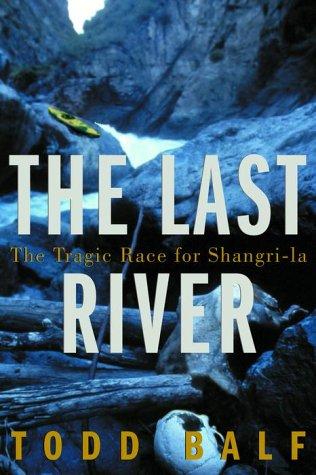
The story of the final free-flowing run of Glen Canyon before Lake Powell filled the canyon, capturing a vanished landscape and the culture it held.
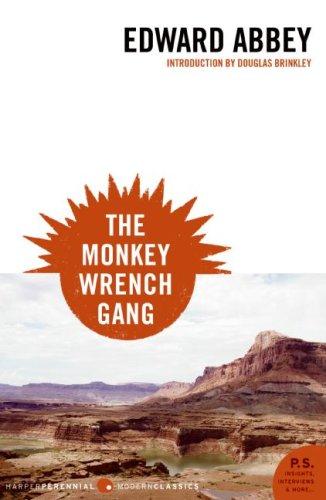
A gang of desert outlaws wage a reckless, irreverent war against the machines carving up the American Southwest.
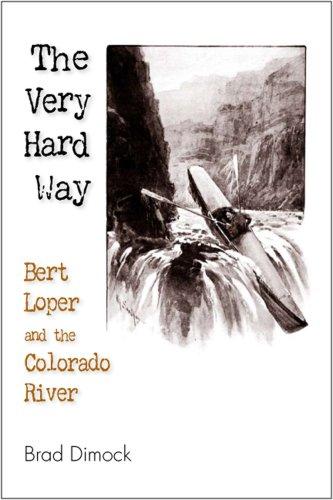
Brad Dimock's exhaustive biography of Bert Loper — gold prospector, early Colorado River boatman, and one of the great stubborn characters of Western river history — who died in Grand Canyon at 79, alone in his boat in a rapid, on the river he refused to leave. The definitive account of the Colorado River's pioneer running era.
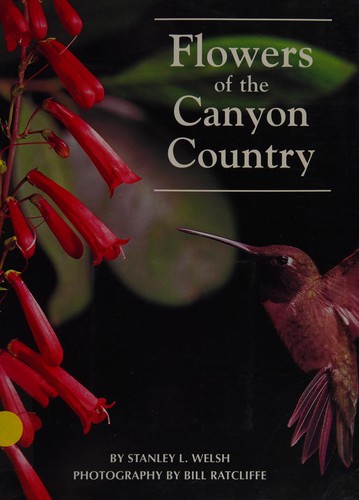
An accessible introduction to the rock layers, canyon formation, and landscapes of the Colorado Plateau and canyon country.
An in-depth environmental and human history of Cataract Canyon and the rivers of Canyonlands, exploring Indigenous presence, exploration, dam impacts, river ecology, and the evolution of modern river running.
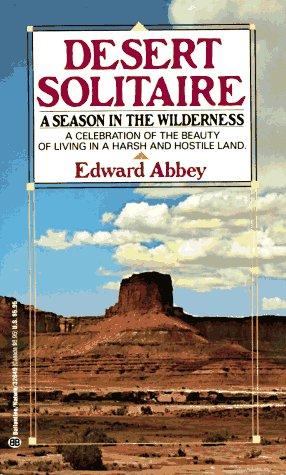
Edward Abbey's classic portrait of canyon country, solitude, and wilderness, influential to the identity and mythology of the Colorado Plateau.
The dramatic story of John Wesley Powell's first expedition through the Grand Canyon and the birth of river exploration in the American West.
A foundational scientific text on river geomorphology, covering sediment transport, channel form, fluvial dynamics, and the physical processes that shape river systems.

A geological exploration of Utah’s major river systems explaining how tectonics, sedimentation, and erosion shaped the canyon landscapes of the Colorado Plateau and surrounding regions.
Craig Childs traces the routes of the ancient Anasazi across the Colorado Plateau, uncovering evidence of a lost civilization's migrations through canyon country.
A guide to understanding the subtle clues in water movement—from puddles and rivers to oceans—teaching readers how currents, waves, surface textures, and patterns reveal information about wind, depth, obstacles, and landscape.
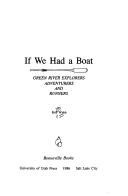
A river-running memoir by Roy Webb capturing the spirit, humor, and culture of Western river expeditions and the people who chase moving water through canyon country.
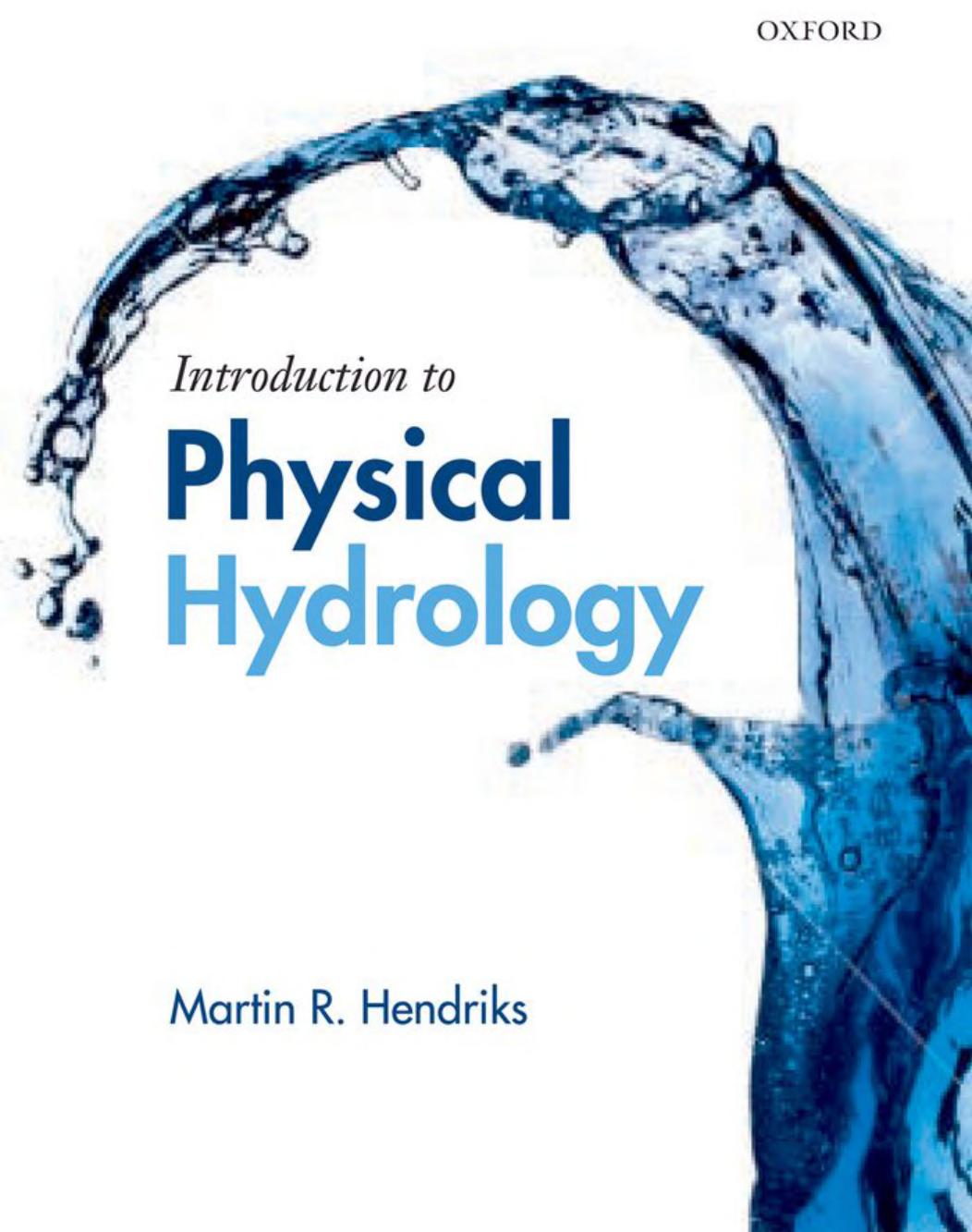
A rigorous, university-level introduction to physical hydrology covering the full water cycle — precipitation, evapotranspiration, infiltration, groundwater, runoff generation, and streamflow — with quantitative methods throughout. The scientific foundation for understanding how rivers work at the watershed scale, from snowpack in the Rockies to baseflow in canyon rivers.
A rigorous graduate-level treatment of river hydraulics and sediment transport, covering flow resistance, bedforms, channel stability, and the physical mechanics that govern river behavior.
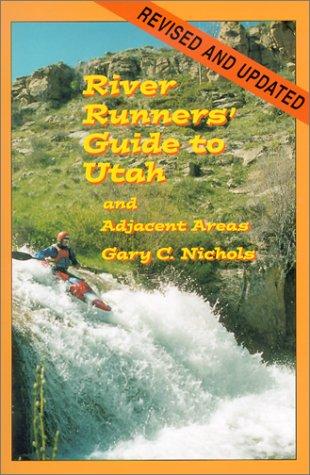
A comprehensive guidebook to whitewater rivers in Utah and neighboring regions, covering river access, rapids, flow considerations, trip logistics, and historical context for river runners.
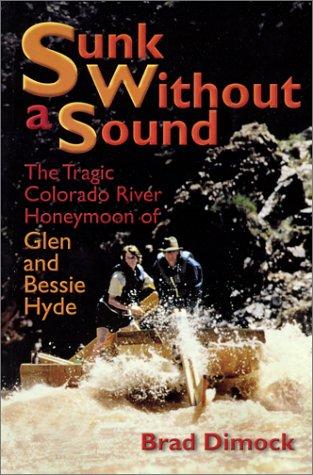
The story of Norman Nevills and the birth of commercial river running in the Colorado River basin.
A key geological reference for understanding the uplift, stratigraphy, tectonics, and erosional history of the Colorado Plateau.
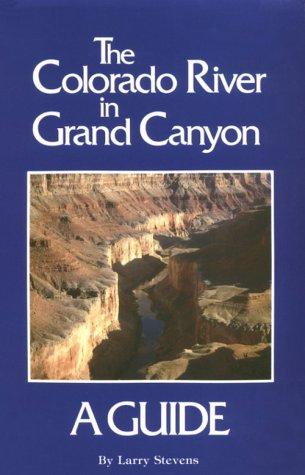
A classic guide to the Colorado River through Grand Canyon with geology, ecology, and river running notes.
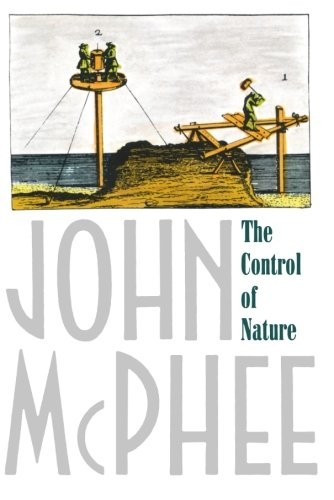
Three deeply reported narratives about humanity's attempts to stop rivers, lava, and debris flows — and what the land does in return. A masterwork of geological journalism that asks whether nature can ever truly be controlled.
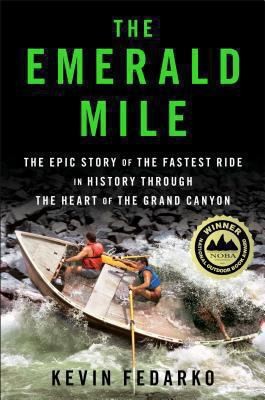
The thrilling story of the dory daredevils who set a speed record through the Grand Canyon at the height of the legendary flood of 1983 — and of the river that made it possible.
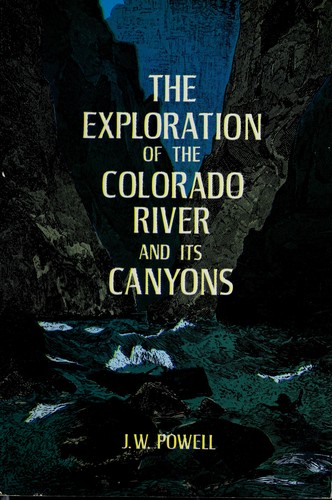
Powell's original account of the first scientific expedition through the Grand Canyon, documenting the geology, natural history, and challenges of navigating the unknown Colorado River.

A clear geological explanation of the formation of the Grand Canyon and the deep-time processes that shaped the Colorado River.
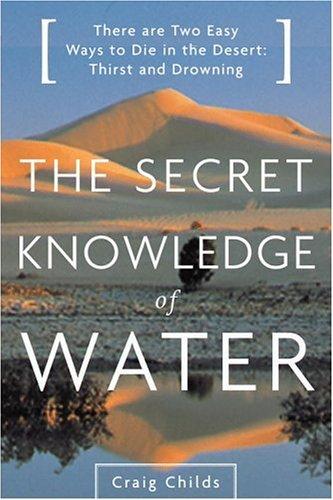
Craig Childs explores the hidden water sources and desert hydrology of the American Southwest, revealing how water shapes and sustains life in the most arid landscapes on Earth.
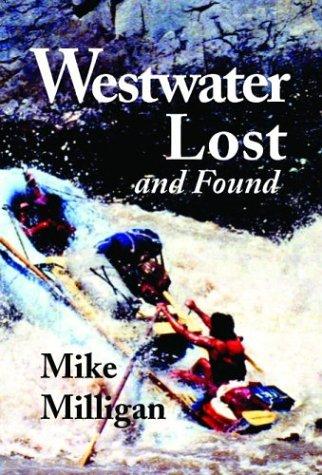
A story centered on the legendary Westwater Canyon stretch of the Colorado River, blending river-running culture, history, and storytelling from one of the most iconic whitewater sections in the Southwest.